









‘También la Iluvia’: A Lesson in Shallow Representation
'También la Iluvia' exploits Indigenous peoples' fight against the privatization of water in order to tell a story about Spanish characters.

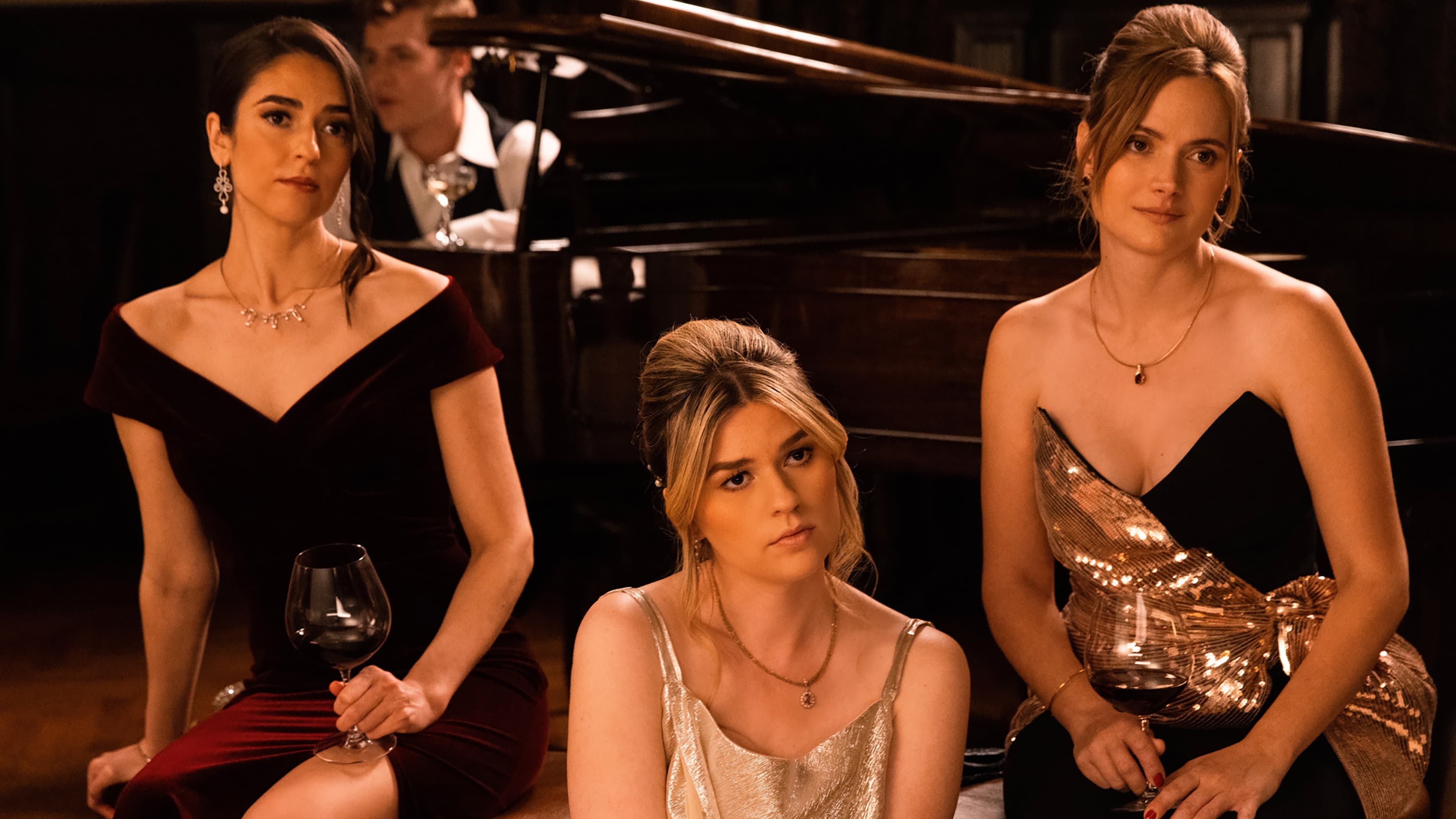
Annabel, a young woman who risks being ostracized from an insular New York clique led by her socialite best friend when she falls for charming photographer Theo. Grappling with the sudden loss of her father, Annabel finds herself torn between the comfortable opulence of her upper crust circle and the vibrant ambitions of the artists downtown. As Theo introduces her to unexplored sides of the city and of herself, how far will Annabel push out of her gilded cage?
'También la Iluvia' exploits Indigenous peoples' fight against the privatization of water in order to tell a story about Spanish characters.
The second film takes us on Peter's journey to be understood.
A surprise sequel takes place ten years after the original movie based on the title of the same name, but with a twist to the fairy tale.
When diverse representation is featured on-screen, it oftentimes comes with strings attached that undermine the message they were trying to send. This can be attributed to the fact that behind-the-screen, the industry primarily does not reflect the breadth of diverse difference that is present in daily life. That’s why when something as powerful and authentic as Minari comes along, it is both incredibly wonderful and needs a large audience to witness it.
A family adventure film that features Hawaiian culture with a representative director and a diverse cast.
'Motherless Brooklyn' is a 1950s whodunit made by its star, Edward Norton. Like most detective films in this setting, the cast is mostly white males (with a few notable exceptions).