
'Zondvloed (Flood)' — MiamisFF Review: Between a Flood and a Hard Place
While prioritizing production value over substance, Flood depicts an emotionally taut family drama set during the farmland flooding of the Franco-Dutch war.
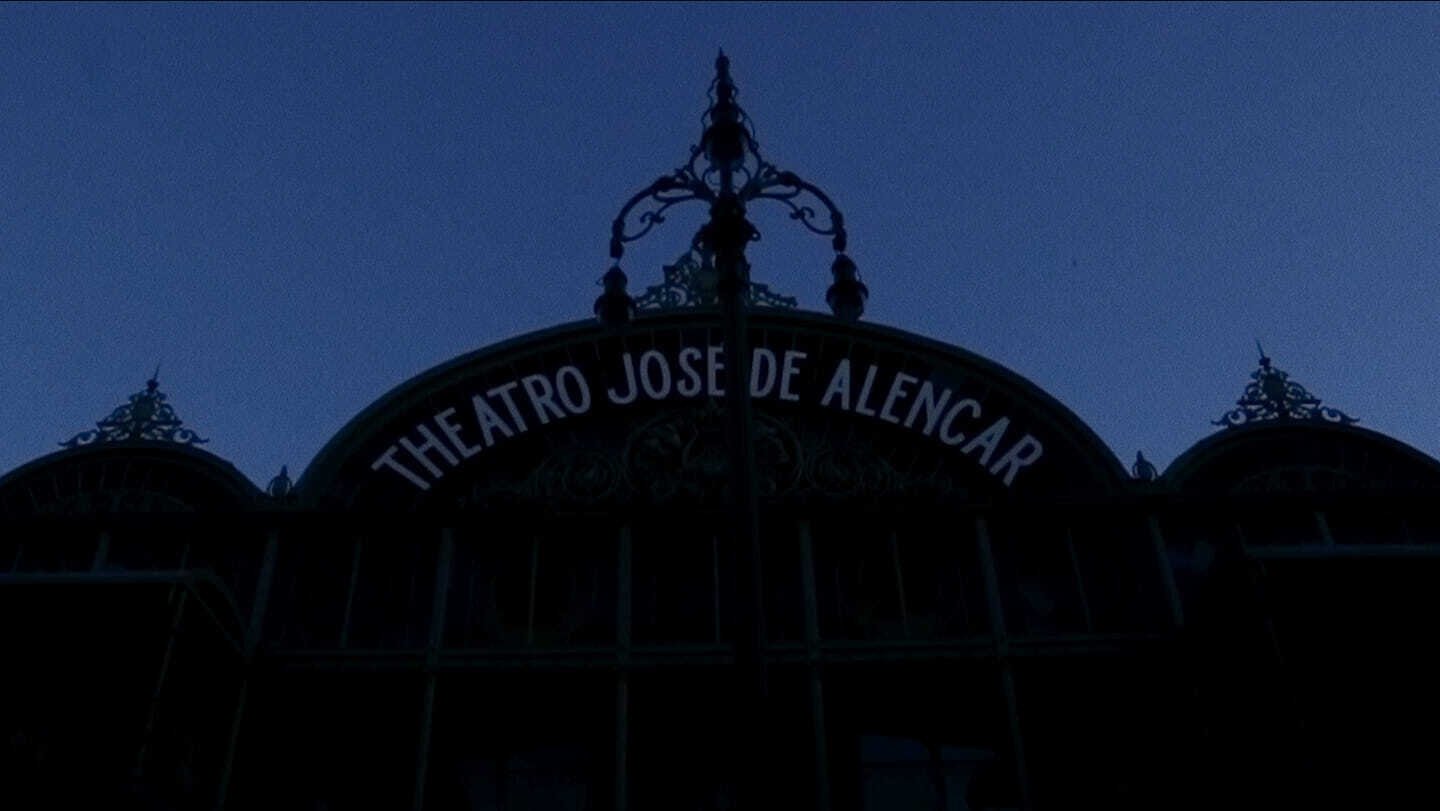
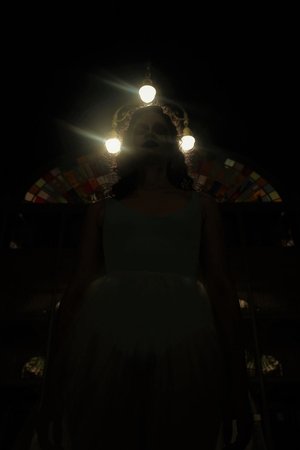


The Phantom Dancer appears in the collective imagination as the symbol of the essence of Theatro José de Alencar. Her spirit, which reflects her moments of glory, floats in the imagination of those who experienced and still cultivate her grandeur. The ghost of a majestic past intertwines with the stories and legends of the place. In memories, curiosity enchants those who are in the midst of their nebulous existence.
While prioritizing production value over substance, Flood depicts an emotionally taut family drama set during the farmland flooding of the Franco-Dutch war.
Two Korean sisters must save their family after a ghost tears the family apart.
In a Whisper is a coming out narrative, but it’s also a story about multiple mother-daughter relationships and the necessity of family.
'The Menu' has a strong story. The 5 acts, which are defined by the courses, are an excellent subversion of the classic 5-act film structure.
New horror film "Pretty" is good to look at thanks to 19-year-old director Metecan Duren.
A complex, realistic, and loving mother-daughter relationship is at the heart of this story about Black pageants and the fight for a better future.