











The Ocean Comes Alive In "The Last House"
The Delgado family becomes trapped in their house by an unknown force and it takes them years to realize what has happened.
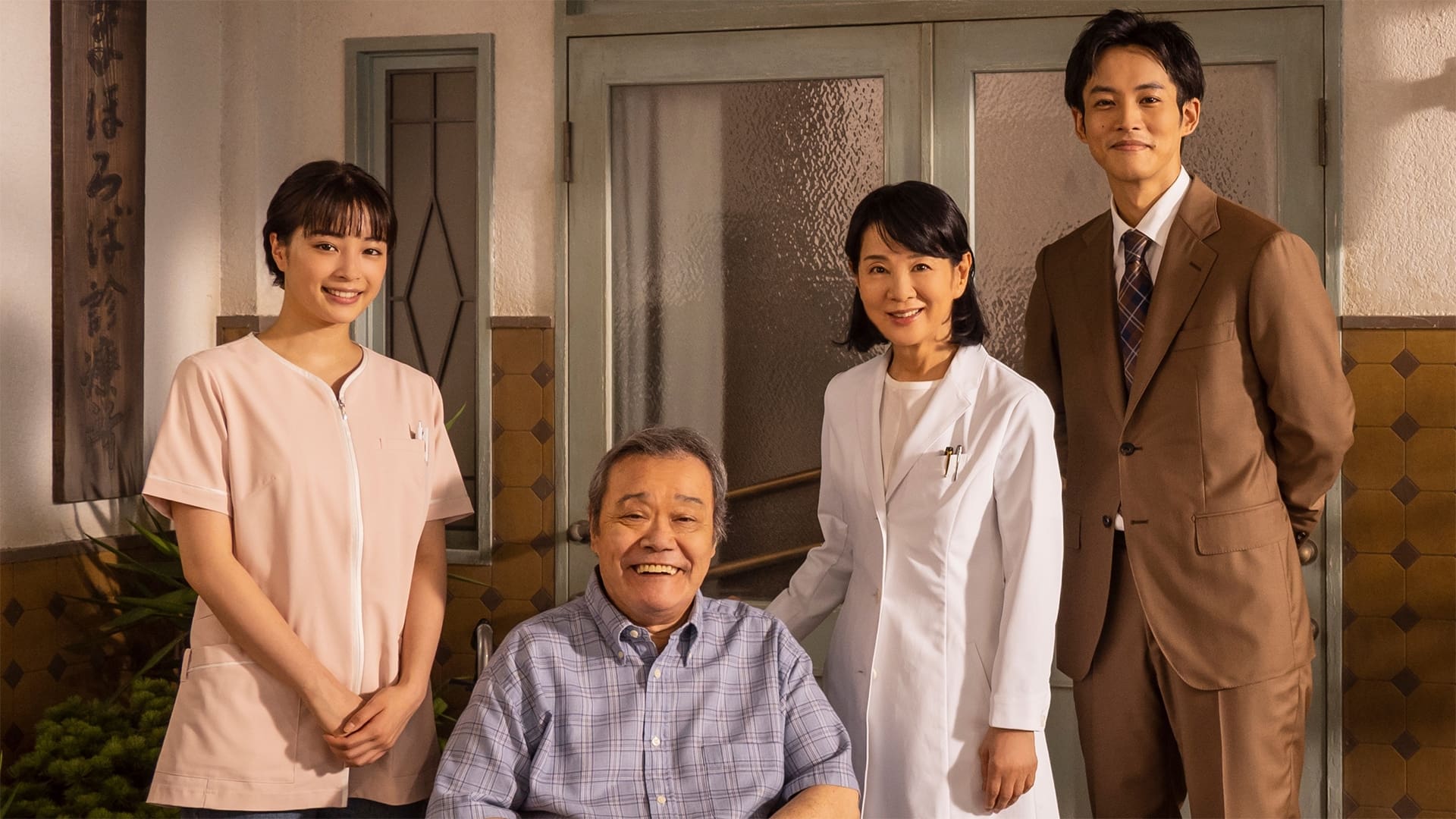



Sawako worked as an emergency physician at a university hospital. Due to to a situation, she returns to her father Tatsuro's home in Ishikawa Prefecture. She then begins to work at the local Mahoroba Clinic. She works with the clinic director Toru, Nurse Mayo and staff Seiji. Seiji, who worked with Sawako at the university hospital, followed her and works with her again. Mahoroba Clinic provides home healthcare to patients. Sawako visits the patients' homes and provides treatment there. At first, she has a hard time due to the different system. She becomes acclimated to the different system and finds a way to deal with the patients, their lives, and their families. --asianwiki
The Delgado family becomes trapped in their house by an unknown force and it takes them years to realize what has happened.
Why did Māhū, a term once respected in Hawaiian culture, become so controversial?
Sorry to Bother You ultimately speaks to the unfair advantages that the country’s power structures award to those with the resources to control others, as Lift’s easy access to the media allows his opinion to be the only one that matters in the eyes of the unsuspecting and easily impressed public. Moreover, it reveals the extent to which the American Dream has any true validity. It postulates how the promise of success and fulfillment as promoted by the American Dream more often than not leads to the undoing of the individual. Interestingly, in its revealing of the American Dream as merely a facade, Sorry to Bother You wisely questions whether or not anything can really be done to undo a system that has been accepted and in action for centuries.
Love Hard is a Christmas romcom about two people who fall in love while pretending to date. It’s a romantic and fun watch. If you can forget the catfishing.
For anyone who is not a cis white woman, a justice-fueled murderous rampage is not framed as liberation. Instead, they contribute to harsh stereotypes that vilify minority women with dangerous consequences.
While this film thinks that it is diagnosing the cause, it is merely diagnosing a symptom instead.