"Get Out"
Jordan Peele’s film is an intelligent and unflinching piece of work, firmly focused on the African American experience.
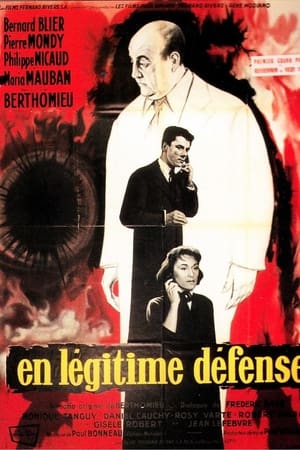


Two friends from the last war, Pierrot, a bar owner, and Gustave, a police inspector, are in contact with a notorious gang of racketeers in Montmartre. Tired of putting up with Albert the King's demands, Pierrot kills the gangster during a bar brawl. His first instinct is to flee, but on Gustave's advice, he turns himself in to the law. All things considered, he'll be safer in prison than exposed to the reprisals of the "underworld". Pierrot goes to trial. He was acquitted as having acted in self-defense. But his release leaves him open to the vengeance of Bob, one of Albert's accomplices. Pierrot narrowly escapes an ambush, but is finally able to rid himself of the threat hanging over him, thanks to the friendship of Inspector Gustave, and finally reunites with the companion of his life, Dora, who has never stopped trembling for him.

André Berthomieu
Director
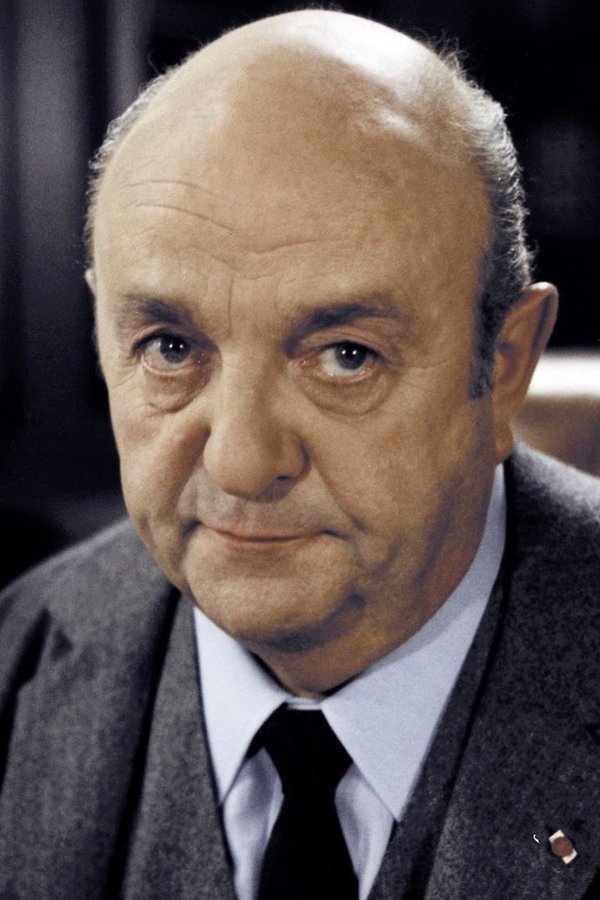
Bernard Blier
Gustave Martinet

Philippe Nicaud
Pierre 'Pierrot' Lambert

Maria Mauban
Dora

Pierre Mondy
Petit Bob
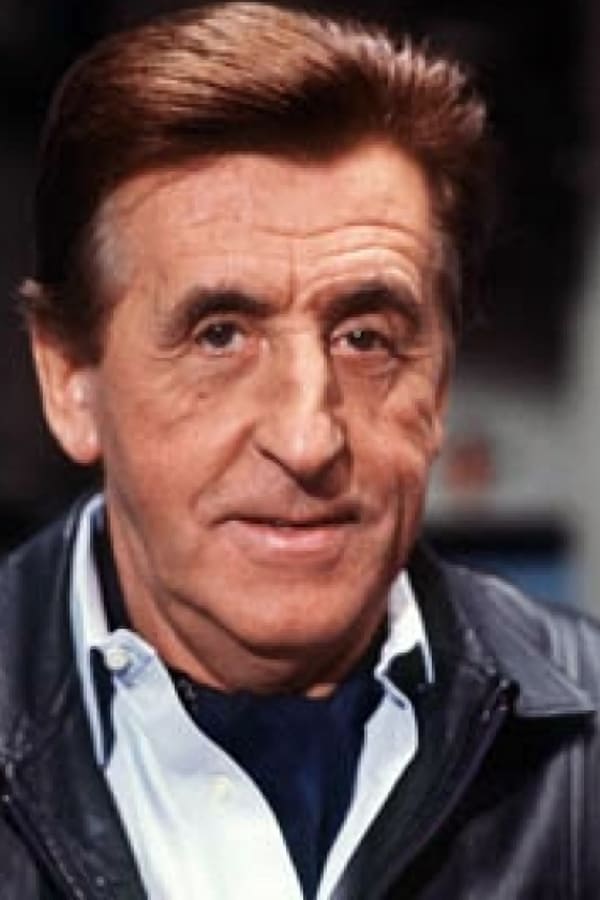
Jean Lefebvre
Georges, le barman de "L'Ami Pierrot"
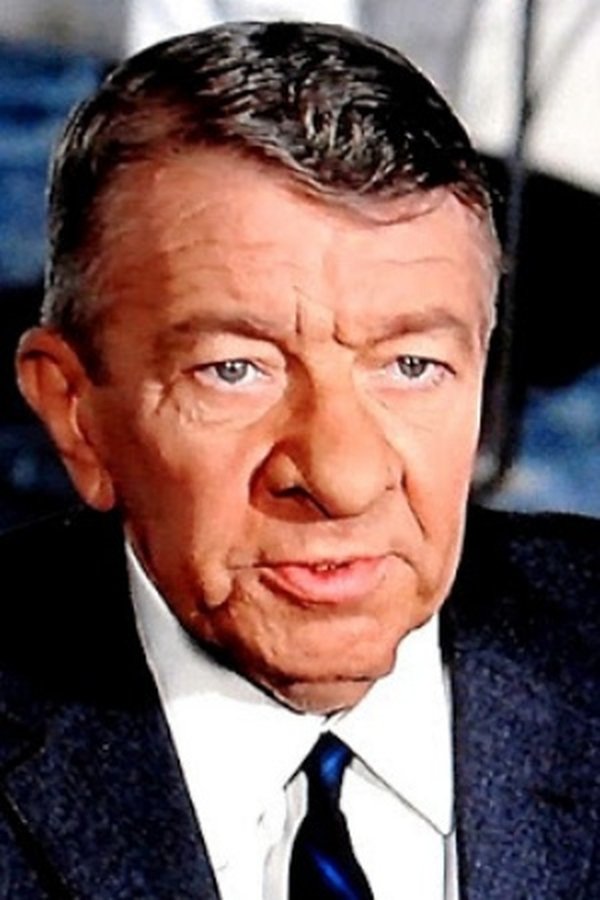
Robert Dalban
Albert dit "Bébert le Caïd", un gangster qui rackette et persécute Pierrot

Rosy Varte
Rita la Gitane, une prostituée

Daniel Cauchy
Dédé, aide de Bébert
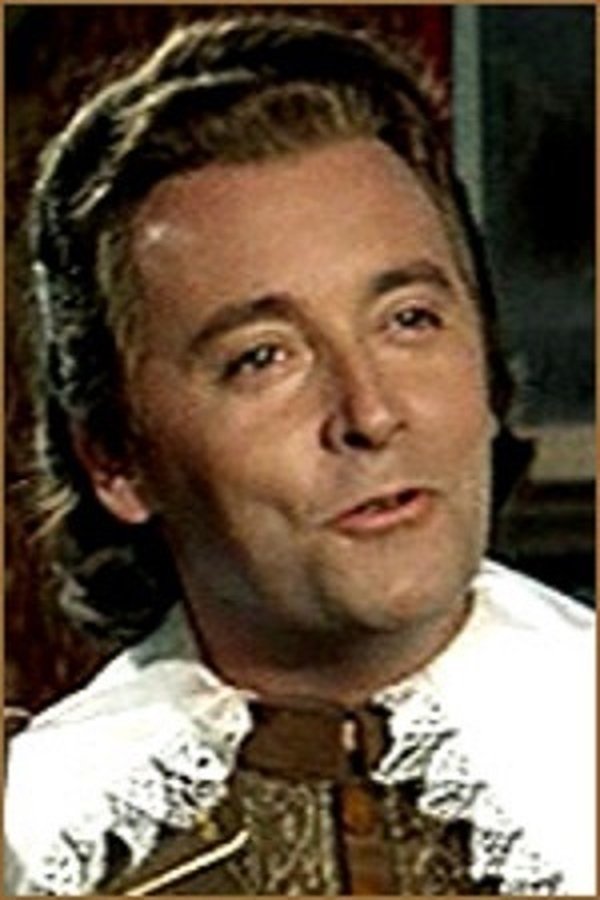
Jean Lara
l'avocat de Pierrot
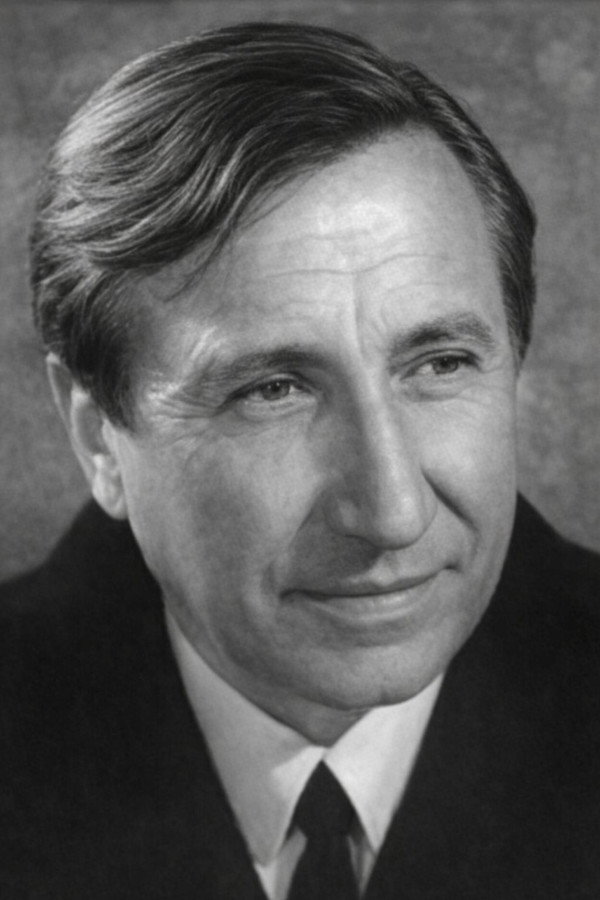
François Darbon
l'avocat général
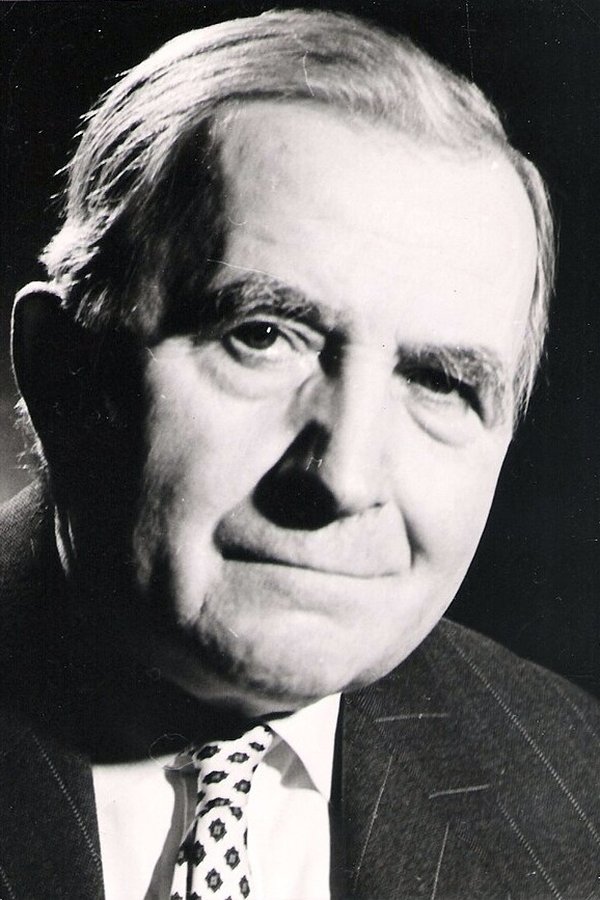
Paul Bonifas
le président de la cour
Jordan Peele’s film is an intelligent and unflinching piece of work, firmly focused on the African American experience.
When diverse representation is featured on-screen, it oftentimes comes with strings attached that undermine the message they were trying to send. This can be attributed to the fact that behind-the-screen, the industry primarily does not reflect the breadth of diverse difference that is present in daily life. That’s why when something as powerful and authentic as Minari comes along, it is both incredibly wonderful and needs a large audience to witness it.
Despite everything it was capable of, all of these poor choices strung together amount to nothing more than a counter-productive film.
CODA' is about a child of deaf adults torn between staying with her parents and her dreams of pursuing music. This film is a step forward for deaf representation and disability in movies despite negative messages about the burden of actors deaf deafness.
The movie is centered around the title character who goes on a Christmas adventure.
The film didn’t have to be as long as it is. It just dragged on and on with scenes that had no substance. Every so often we get an action scene, and even those isn’t that fun.