







'The Dinner Party' — MiamisFF Review
A young woman finds herself trapped in a crossfire of awkwardness during a nightmarish dinner party with her boyfriend's dysfunctional family.
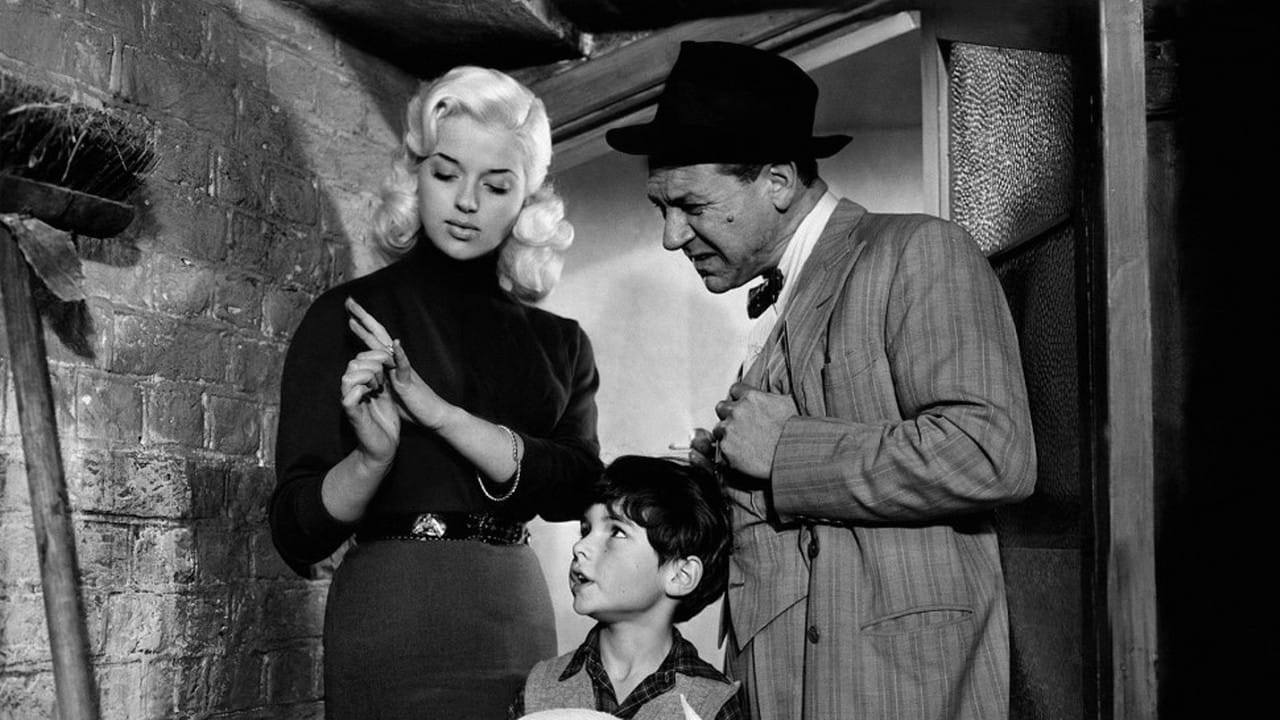



Joe is a young boy who lives with his mother, Joanna, in working-class London. The two reside above the tailor shop of Mr. Kandinsky, who likes to tell Joe stories. When Kandinsky informs Joe that a unicorn can grant wishes, the hopeful lad ends up buying a baby goat with one tiny horn, believing it to be a real unicorn. Undaunted by his rough surroundings, Joe sets about to prove that wishes can come true.
A young woman finds herself trapped in a crossfire of awkwardness during a nightmarish dinner party with her boyfriend's dysfunctional family.
I’m still trying to comprehend the psychological and moral implications of their fascination with each other, or why their almost written-in-the-stars depth of connection makes so much sense.
Sorry to Bother You ultimately speaks to the unfair advantages that the country’s power structures award to those with the resources to control others, as Lift’s easy access to the media allows his opinion to be the only one that matters in the eyes of the unsuspecting and easily impressed public. Moreover, it reveals the extent to which the American Dream has any true validity. It postulates how the promise of success and fulfillment as promoted by the American Dream more often than not leads to the undoing of the individual. Interestingly, in its revealing of the American Dream as merely a facade, Sorry to Bother You wisely questions whether or not anything can really be done to undo a system that has been accepted and in action for centuries.
Explore the tension between director intention and viewer interpretation in this review of the excellent sci-fi horror of 'No One Will Save You.'
That gut-wrenching feeling you have while watching it is okay but needed, and you, the viewer, will be okay.