Dead Poets Society Steals a Queer Story
Dead Poets Society relies on patriarchal tropes such as overbearing fathers, contrived brotherhood, and faux-individuality in order to portray its straight white male characters as oppressed.
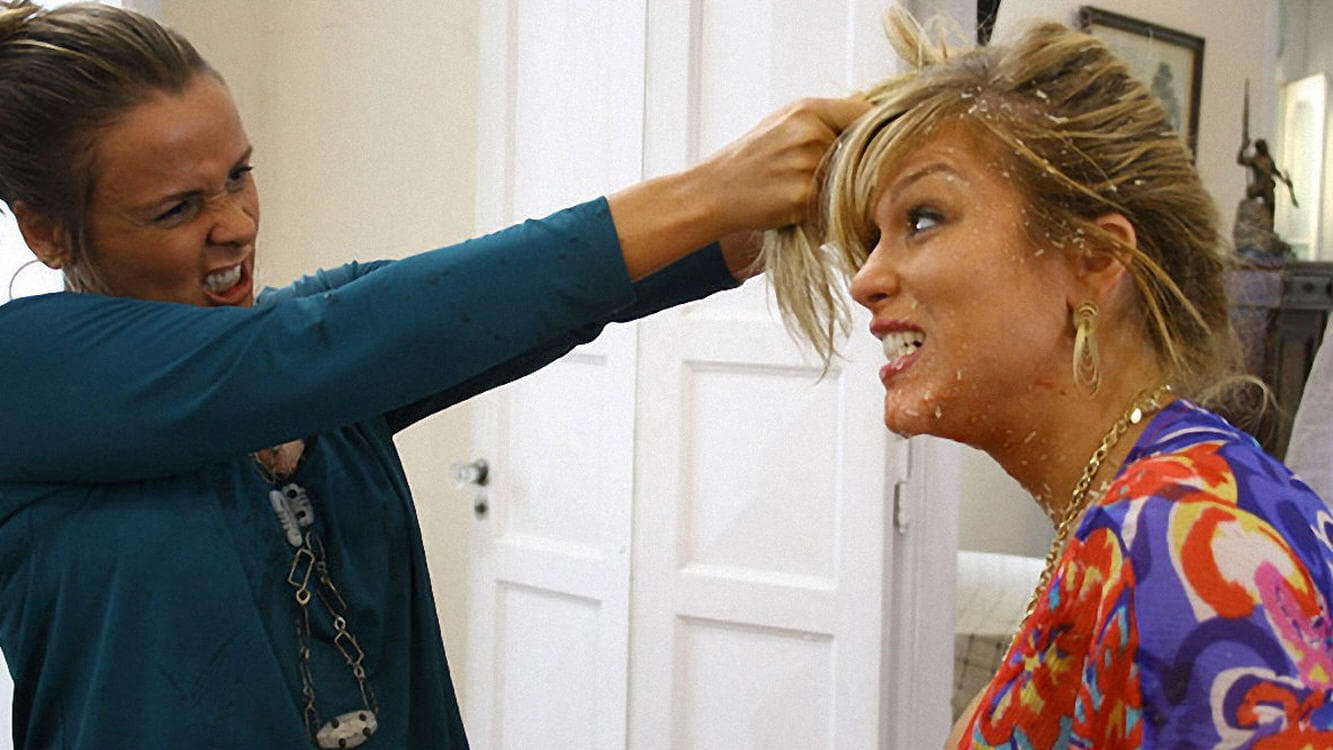
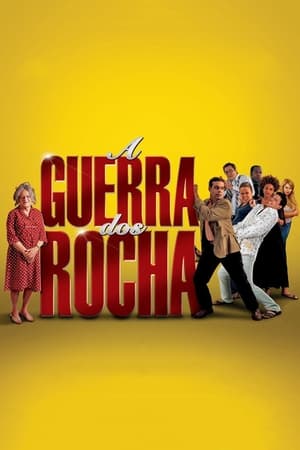


Clumsy old lady Dina Rocha lives with her son Marcelo. After a series of incidents at home, she moves to her house in Santa Teresa. She meets her friend Nonô and she pays a visit to her old friend. Her sons do not know where she is and they go to the hospitals and morgues. Coincidently there is the body of an old lady smashed by a truck and they believe that she is their mother. Meanwhile two smalltime thieves break in Nonô's house and keep the two old ladies locked in the bathroom. During the funeral of Dina Rocha, the dysfunctional families have a quarrel disputing their heritage.
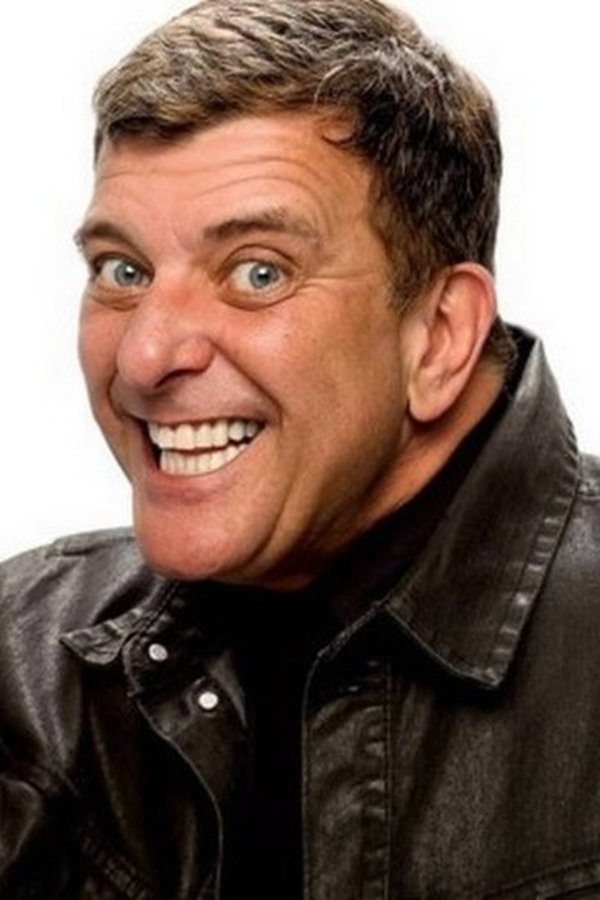
Jorge Fernando
Director


Ary Fontoura
Ondina "Dina" Rocha
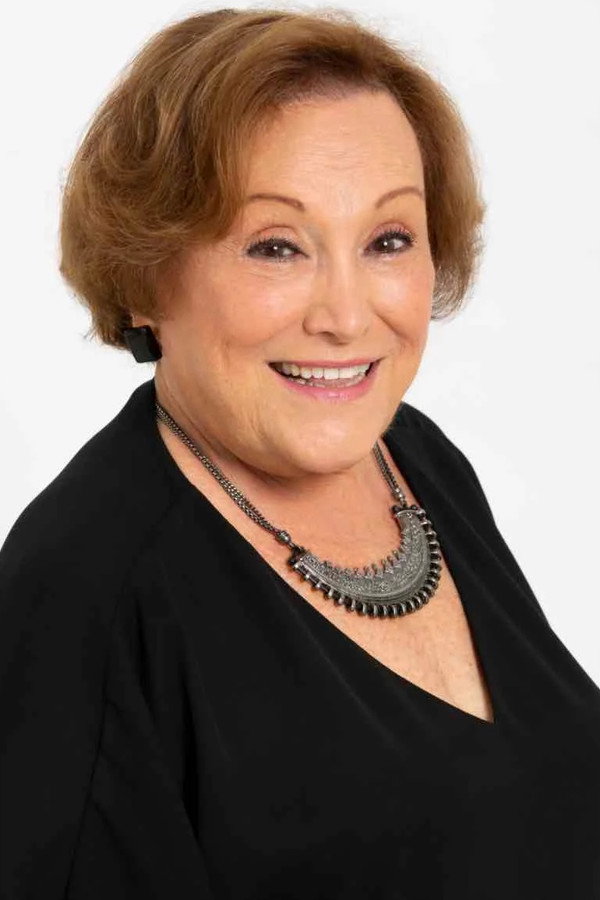
Nicette Bruno
Dinorá "Nonô" França

Diogo Vilela
Marcos Vinícius Rocha
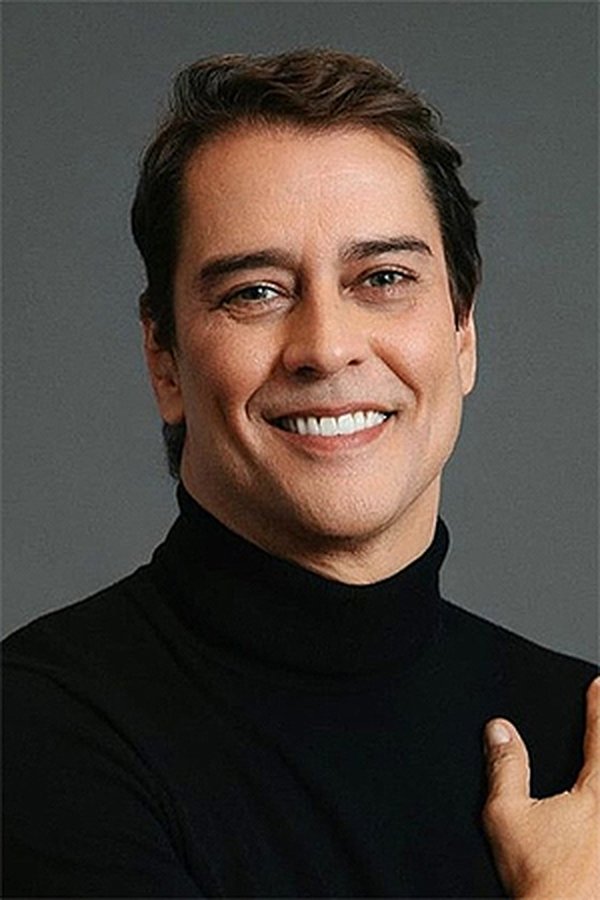
Marcello Antony
César Rocha

Giulia Gam
Júlia Rocha
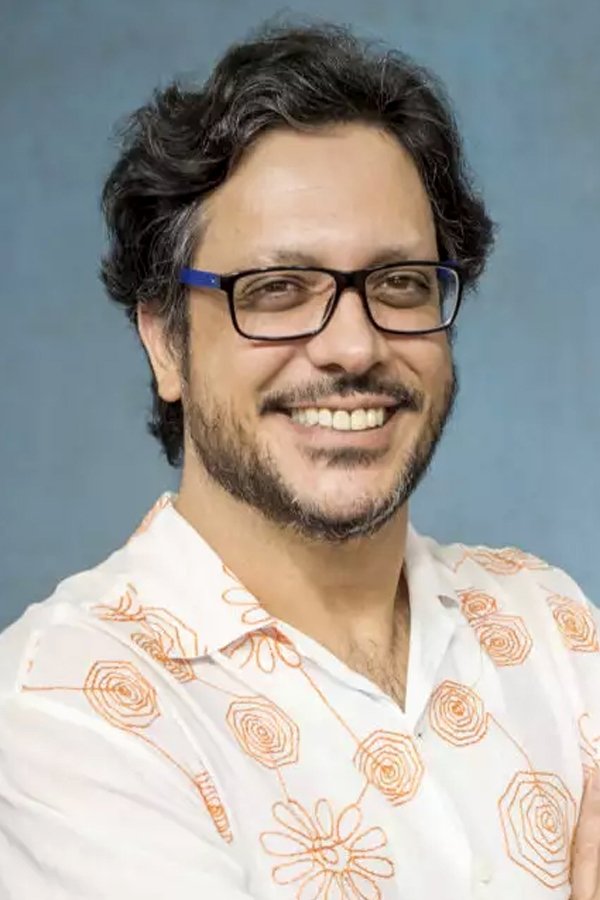
Lúcio Mauro Filho
Marcelo Rocha

Taís Araújo
Carol Rocha
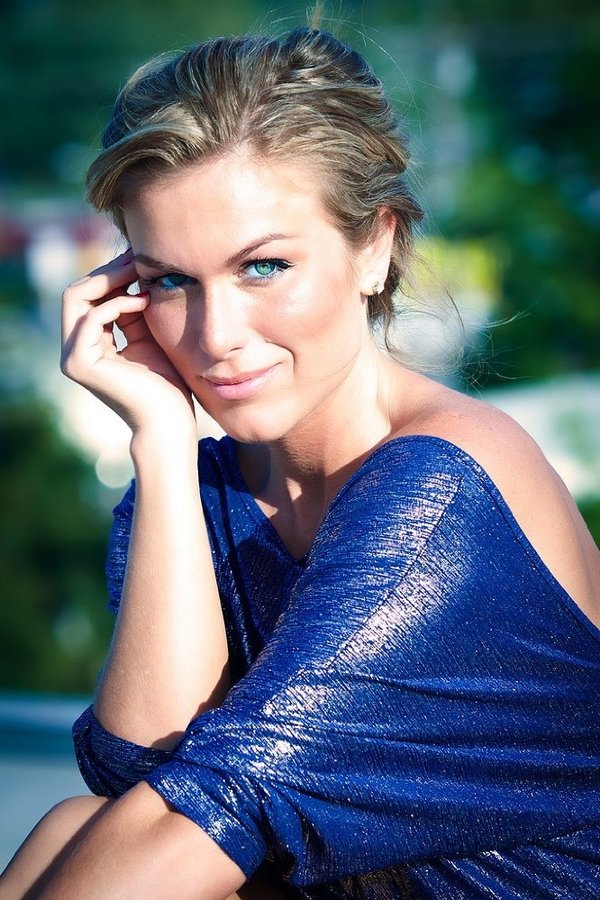
Ludmila Dayer
Paola Rocha
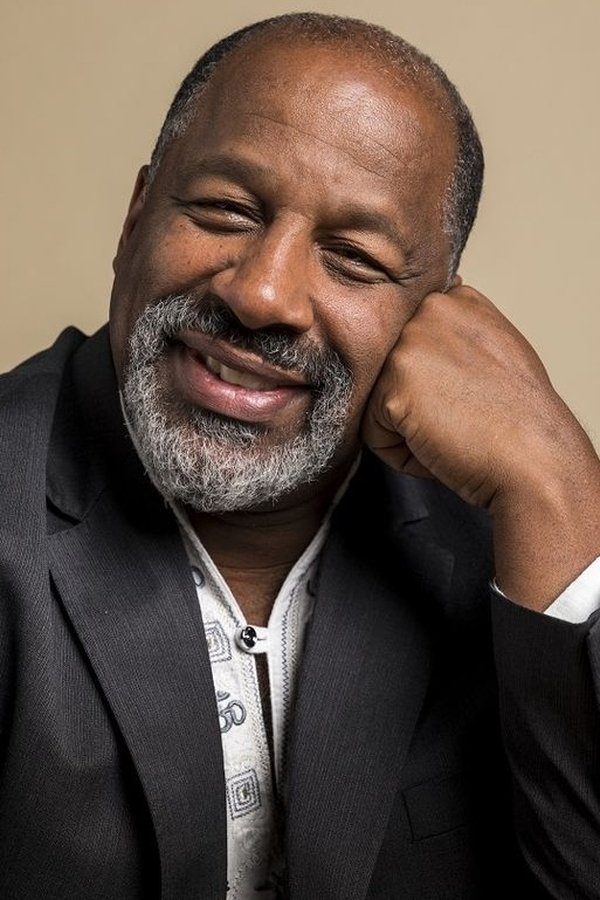
Aílton Graça
Marcondes

Ângelo Paes Leme
Curió
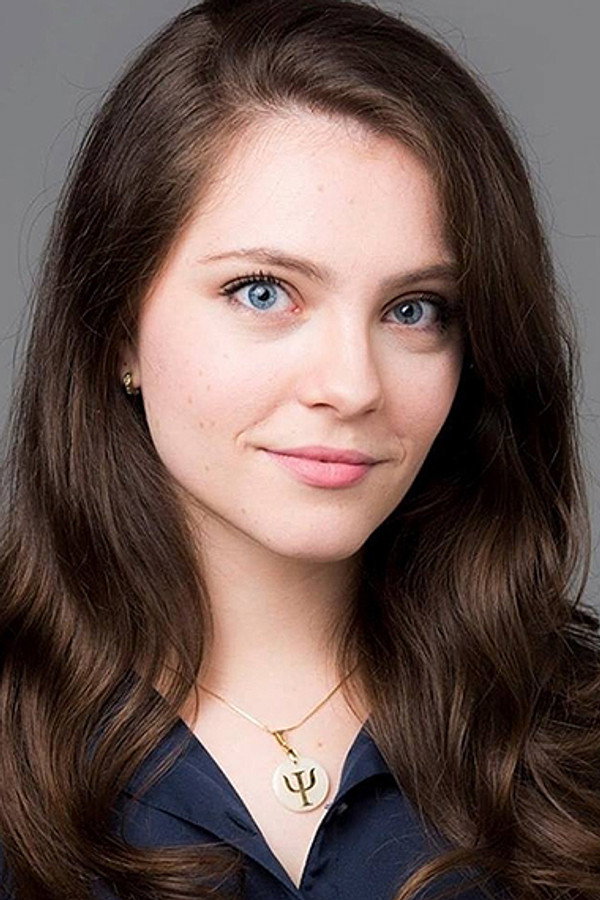
Cecília Dassi
Bebel Rocha
Dead Poets Society relies on patriarchal tropes such as overbearing fathers, contrived brotherhood, and faux-individuality in order to portray its straight white male characters as oppressed.
If you enjoy Japanese cinema, absurdly violent action films, gangster flicks, or joyfully strange cinema, 'Why Don’t You Play in Hell?' is a must-see.
In season 2 of “Never Have I Ever," Devi make many mistakes in a messier season that explores the complex lives of its diverse cast more in-depth than before.
Haven't you heard? There's a new horror subgenre: cerebral gore, that's probably been around for decades and we're now just starting to talk about it.
Tom Clancy's Without Remorse has everything a movie director from the 80’s could wish.
In the spirit of Halloween, here's a list of body horror films which can be interpreted as trans allegories.