Sick or Evil or Both: “My Friend Dahmer” and the Coverage of White Killers
This HBO mini-series asks why a young white man turned to violence and finds no easy answers. But why do we only ask questions about certain kinds of killers?
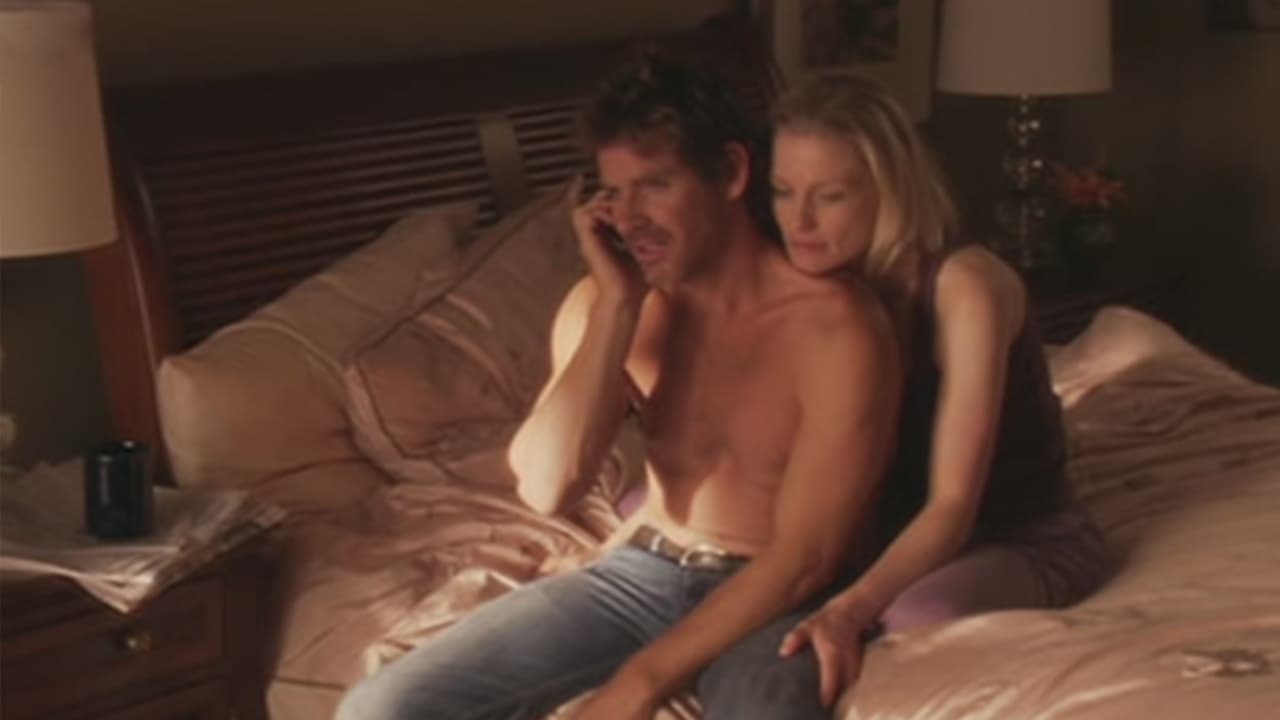
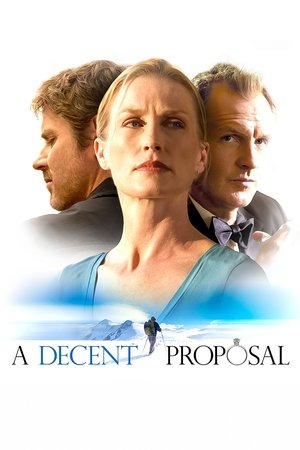


Life is going incredibly well for Tia McLealand. Her career is flying and she's fallen in love. But a single phone call changes everything. Her new love, Nick, is killed in a climbing accident. Pregnant with his child, she makes the practical decision to marry a rich and powerful man. Years later, Tia begins to suspect foul play. Can she take on the powers that be to get her life back and protect her son?
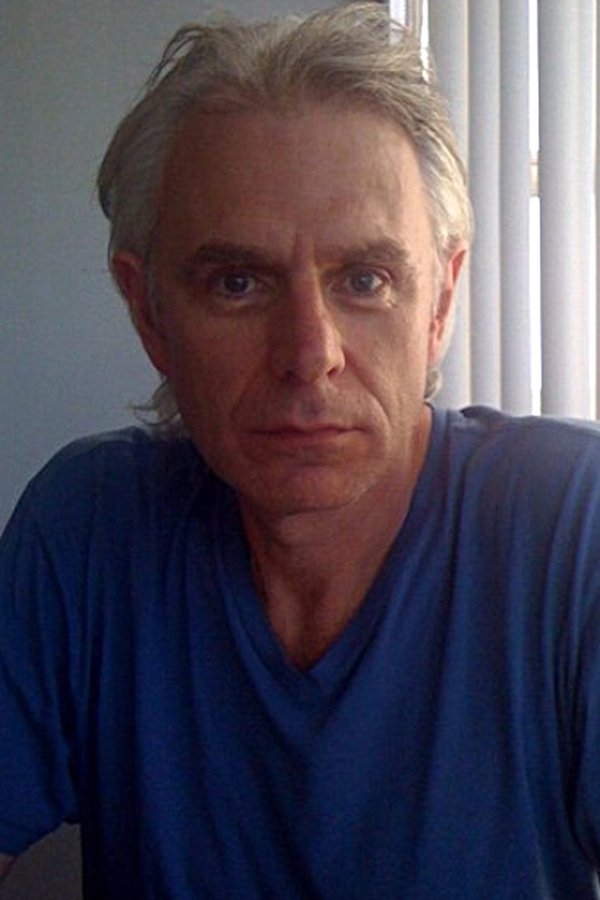
Neill Fearnley
Director

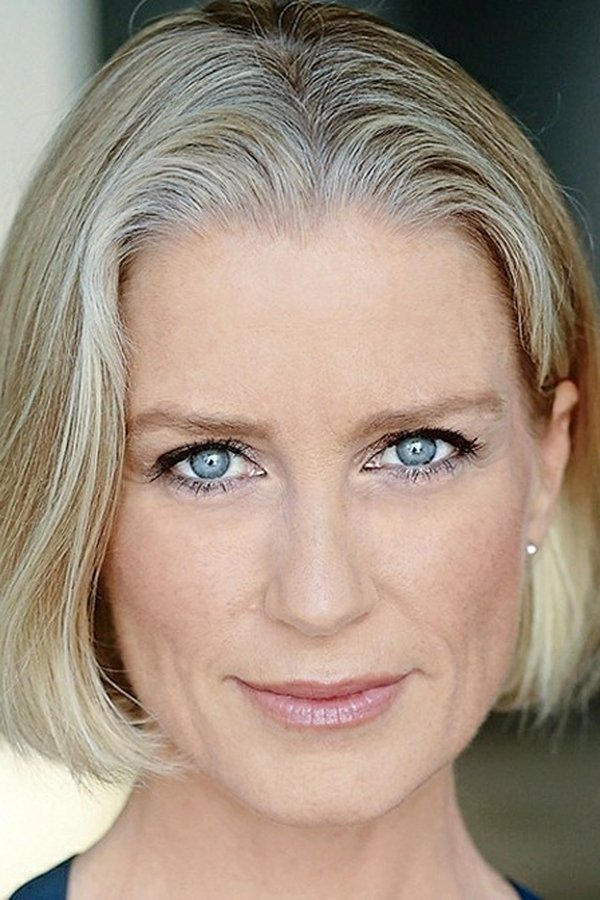
Jessica Tuck
Tia McLealand

Andrew Airlie
John Bleekham

Hrothgar Mathews
Tony Evans
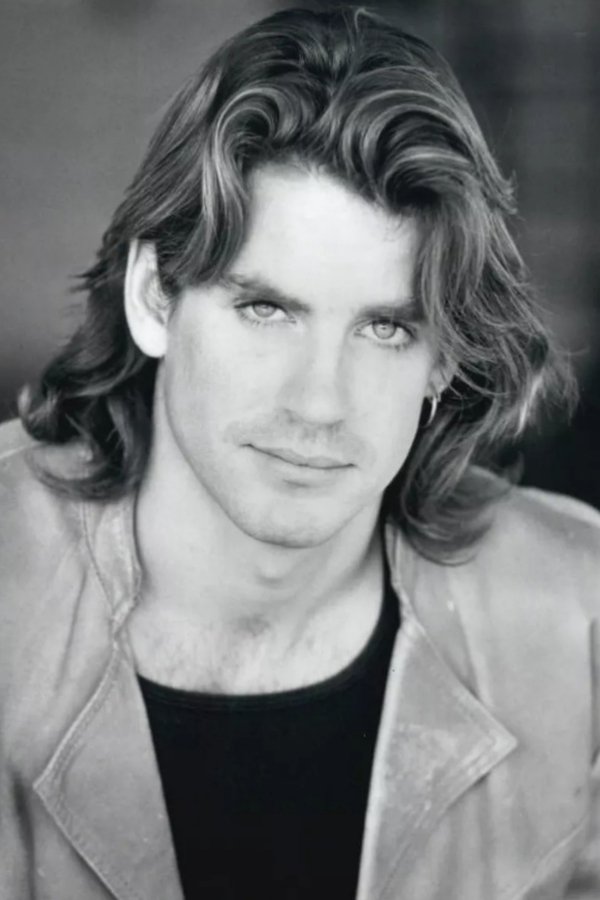
Spencer Rochfort
Nick Marsh
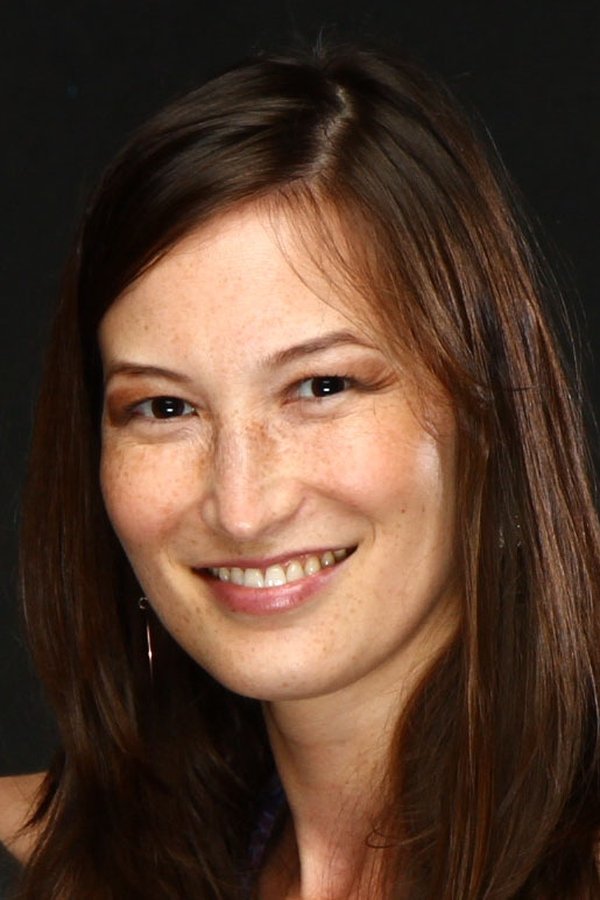
Jennifer Spence
Gwen Stathis

Jill Morrison
Jodi the Receptionist
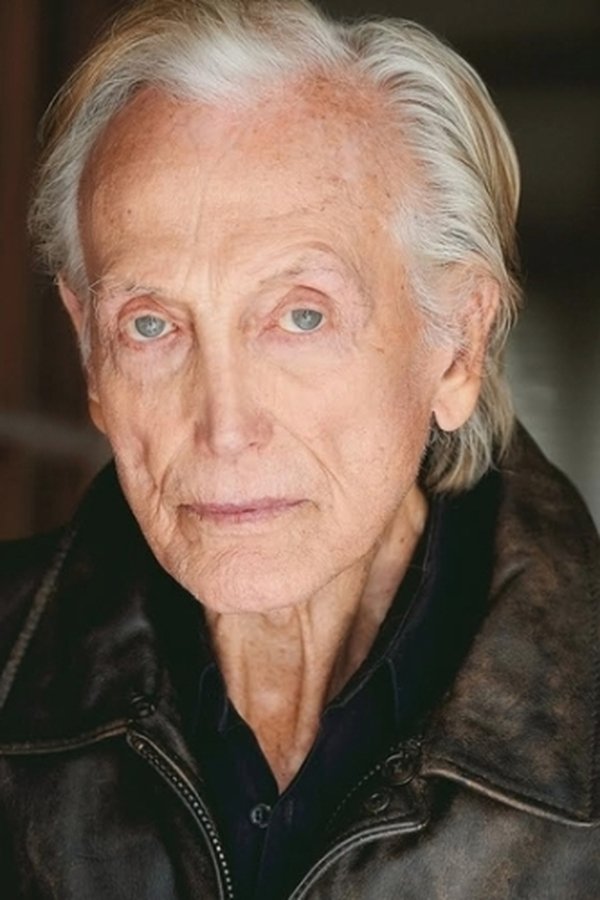
Myron Natwick
Alex Varvinsky
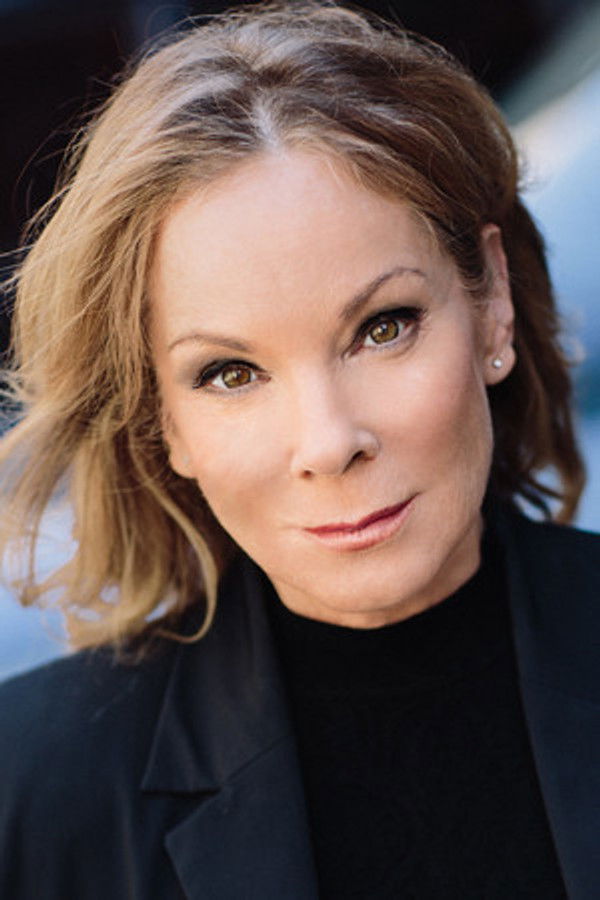
Camille Mitchell
Anna Varvinsky
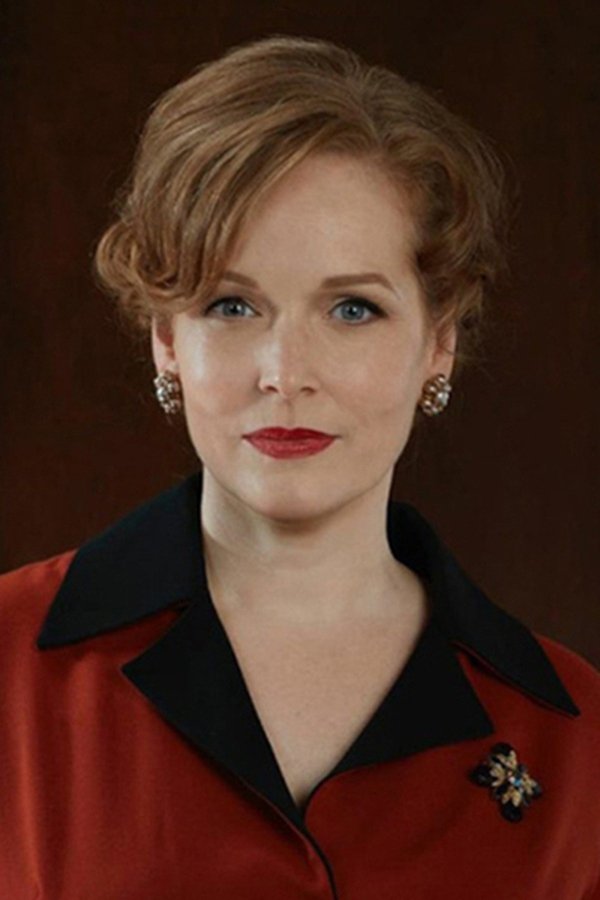
Chelah Horsdal
Cynthia Lewis
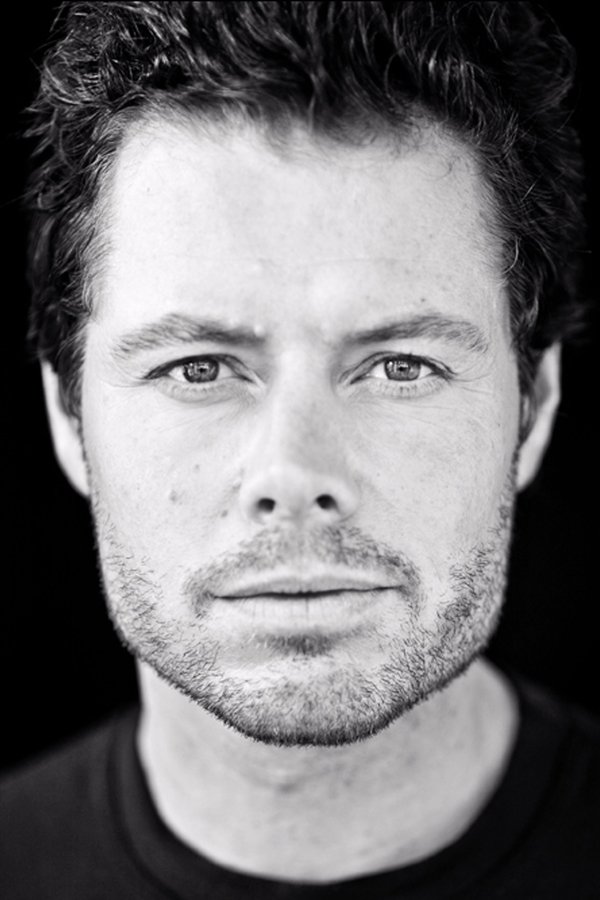
David Richmond-Peck
Ben
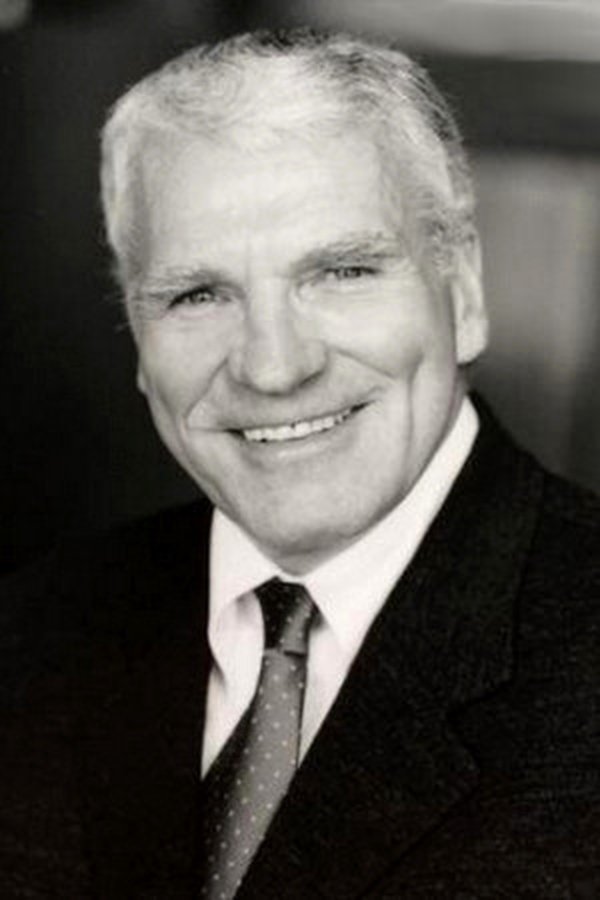
Roger Allford
Charles Arnot
This HBO mini-series asks why a young white man turned to violence and finds no easy answers. But why do we only ask questions about certain kinds of killers?
A family drama is woven with quiet yet powerful forces of words and nature.
Ultra-violent storytelling has never been my thing, but the issues with Scarface go beyond that. The film perpetuates harmful stereotypes about Latinx immigrants and uses gore and misogyny for shock value that never serves any purpose. The whole venture is frustratingly empty, and left me desiring something more.
After We Collided is a sequel to last year’s After, which itself was based on Anna Todd’s 2014 novel of the same name, and which was originally published as a Harry Styles-centric fan-fiction on WattPad (a similar path as E.L. James’ Fifty Shades of Grey series).
Passing is a visually stunning portrayal of Larsen's story with an inclusive cast, and the performances of Thompson and Negga are sensational.
If you identify as part of the queer community, or if you love old school slasher flicks, you will love this movie.