An Interview with Writer/Director Albert Acosta
We sat down with Writer/Director Albert Acosta to discuss his debut short film, (ha-ha), Acosta's foray into narrative cinema, and how his personal experiences have shaped his filmmaking philosophy.




1989: 64th and last year of the Showa era. A girl is kidnapped and killed. The unsolved case is called Case 64 ('rokuyon'). 2002: Yoshinobu Mikami, who was the detective in charge of the Case 64, moves as a Public Relations Officer in the Police Affairs Department. His relation with the reporters is conflicted and his own daughter is missing. The statute of limitations for the Case 64 will expire in one year. Then a kidnapping case, similar to the Case 64, takes place. The rift between the criminal investigation department and police administration department deepens. Mikami challenges the case as a public relations secretary.

Takahisa Zeze
Director


Koichi Sato
Yoshinobu Mikami

Go Ayano
Police Officer Suwa

Nana Eikura
Police Officer Mikumo

Yui Natsukawa
Minako Mikami

Naoto Ogata
Masato Mezaki

Masataka Kubota
Koichiro Hiyoshi

Kentaro Sakaguchi
Teshima
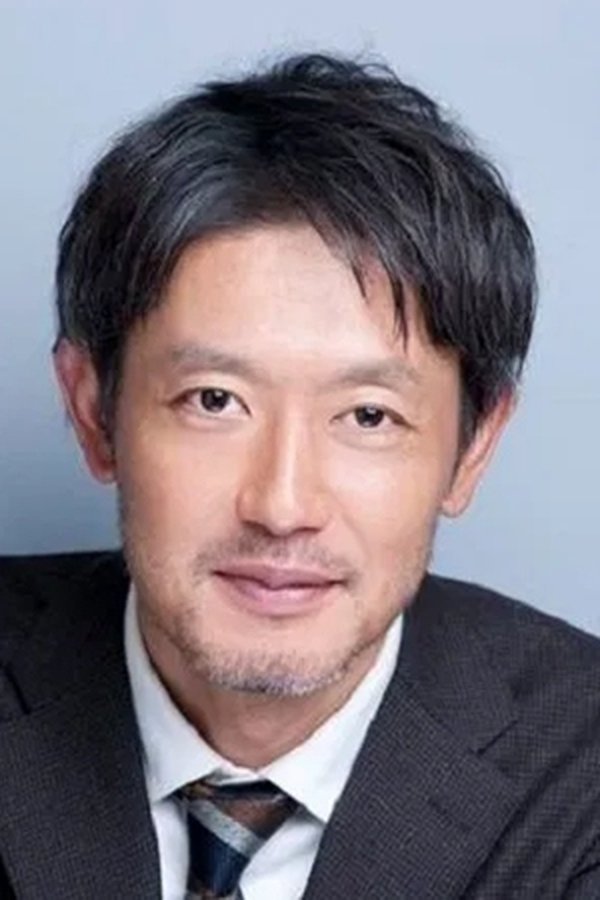
Michitaka Tsutsui
Kakinuma

Mayu Tsuruta
Mizuki Murakushi

Hidekazu Akai
Mochizuki
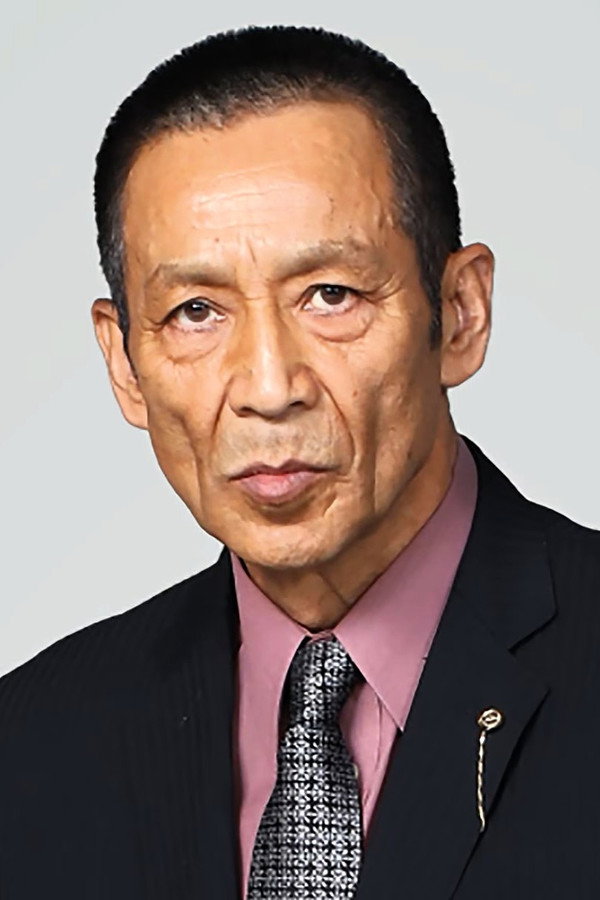
Shun Sugata
Urushibara
We sat down with Writer/Director Albert Acosta to discuss his debut short film, (ha-ha), Acosta's foray into narrative cinema, and how his personal experiences have shaped his filmmaking philosophy.
21 Bridges isn’t going to revolutionize action cinema. However, its action components are respectable. Every act is visibly clear, and as time moves forward, the film changes its conflictual rhythm.
This MiamisFF Review is on the short film 'Rewind Thirty'. Created and released in the United States, this short film has an unclear message.
This is not a film, it’s a drop tower. A drop tower that you don’t get off of for the vast majority of its 106-minute runtime.
Hitchcock is no stranger to innuendo, as was common in that era, but there was something so sophisticated about his approach to 'Rope', and it starts in the first frame.
'Run This Town' takes an unflinching look at the Rob Ford scandal that shook Toronto to its core while using fictional millennials to drive a concise story .