"Marriage Story" is no "Kramer vs. Kramer"
"Marriage Story" is a narrow-minded and heavy-handed attempt to examine the complexity of human relationships.




The true story of the rise to power and brutal assassination of the formerly vilified and later redeemed leader of the independent Congo, Patrice Lumumba. Using newly discovered historical evidence, Haitian-born and later Congo-raised writer and director Raoul Peck renders an emotional and tautly woven account of the mail clerk and beer salesman with a flair for oratory and an uncompromising belief in the capacity of his homeland to build a prosperous nation independent of its former Belgian overlords. Lumumba emerges here as the heroic sacrificial lamb dubiously portrayed by the international media and led to slaughter by commercial and political interests in Belgium, the United States, the international community, and Lumumba's own administration; a true story of political intrigue and murder where political entities, captains of commerce, and the military dovetail in their quest for economic and political hegemony.
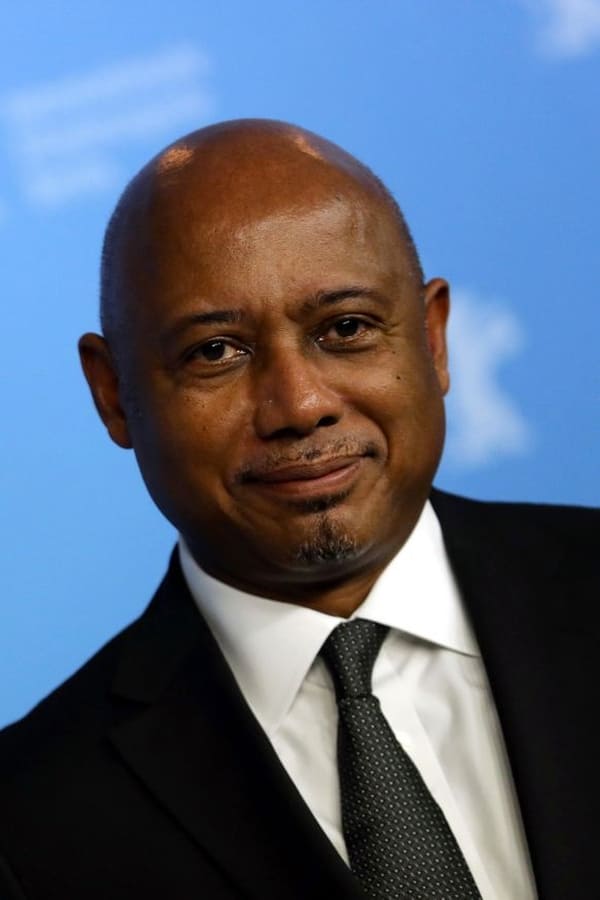
Raoul Peck
Director


Ériq Ebouaney
Patrice Émery Lumumba
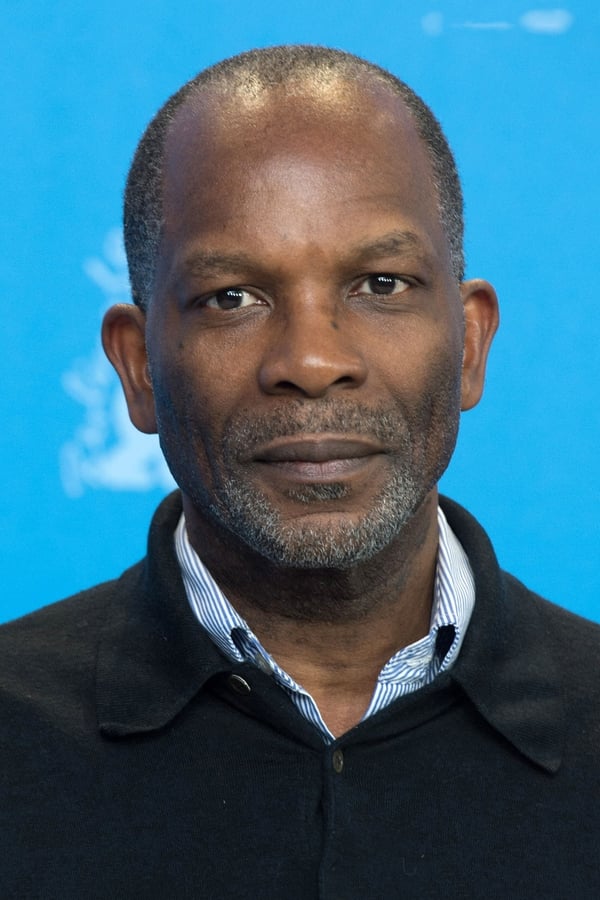
Alex Descas
Joseph Mobutu

Théophile Sowié
Maurice Mpolo

Maka Kotto
Joseph Kasa Vubu
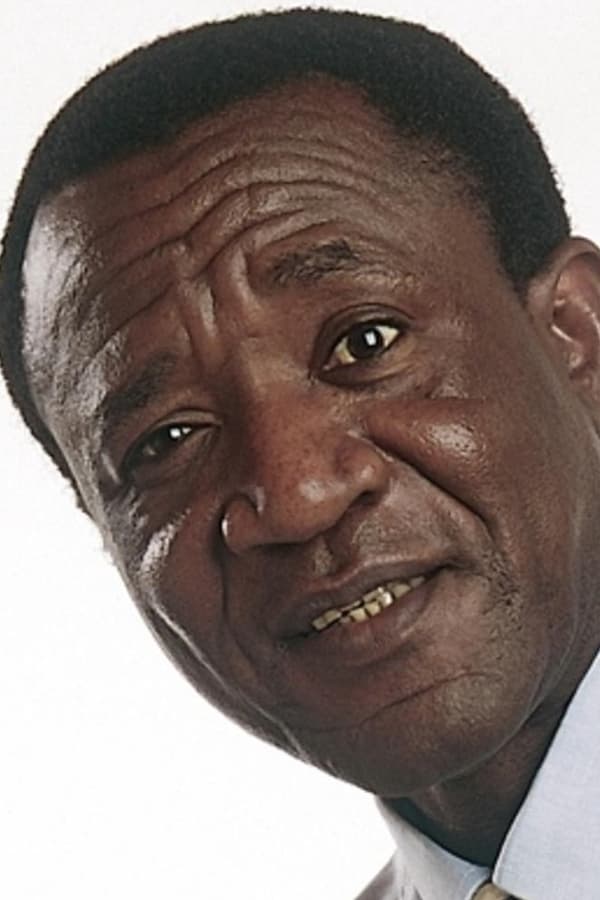
Dieudonné Kabongo
Godefroid Munungo
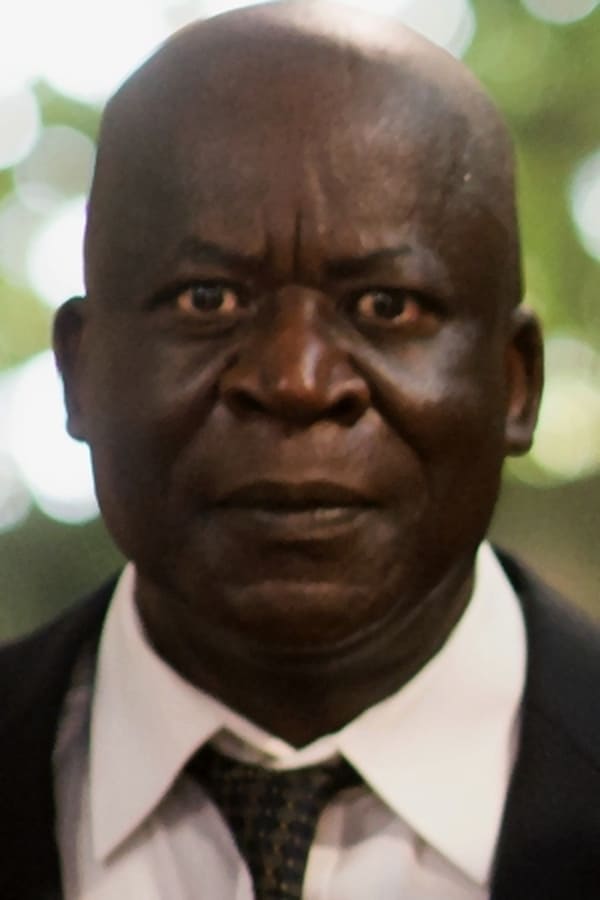
Pascal N'Zonzi
Moïse Tshombe
Cheik Doukouré
Joseph Okito

Makena Diop
Thomas Kanza

Mariam Kaba
Pauline Lumumba
Rudi Delhem
Général Emile Janssens
André Debaar
Walter J. Ganshof Van der Meersch
"Marriage Story" is a narrow-minded and heavy-handed attempt to examine the complexity of human relationships.
Through its morbidly humorous storytelling, Wednesday tells a tale of a world divided that explores the manifestation of generational trauma in its protagonist Wednesday Addams.
Emily Henry’s adaptation reaches romance movie standards, but not romance reader standards.
The Night Doctor achieves telling an original story in which the pace accelerates progressively while supported by dark aesthetics.
Years before Mexican director, Alfonso Cuaron, was winning Academy Awards for movies like Gravity (2013) and Roma(2018), he directed a small, intimate film about two best friends who decide to embark on an improvised road trip to spend time with an older, attractive woman who miraculously agrees to go with them. Y tu Mamá También is a deep journey into the raw sexuality and friendship of the young protagonists, as well as a subtle social and political commentary on Mexico at the time.
The social issues The Half of it takes on are handled well, between the antagonization brought on to Ellie for her race and the conflict that arises from her being gay. Both aspects of her character are built up over the course of the film and don’t seem abrupt or rushed. The film shows racism towards Ellie and her and father in varying levels, from having her schoolmates specifically address her as "Chinese girl” to the fore mentioned way her Dad is treated due to language barriers. The same can be said about Ellie being a lesbian. While she never truly “comes out” in the narrative, that does not undermine her journey of self-discovery from being meaningful. These ideas aren’t thrust upon the viewer in a preachy manor, the scenarios that occur feel believable given the rural setting. The film presents watchers with problems whom those like Ellie may face, and leaves us to sit with them and reflect.