

Kamilah Rae Lewis Interview on her Basketball-Playing Father Raymond Lewis
Spotlighting the legacy of the legendary Raymond Lewis through the love of a devoted daughter.
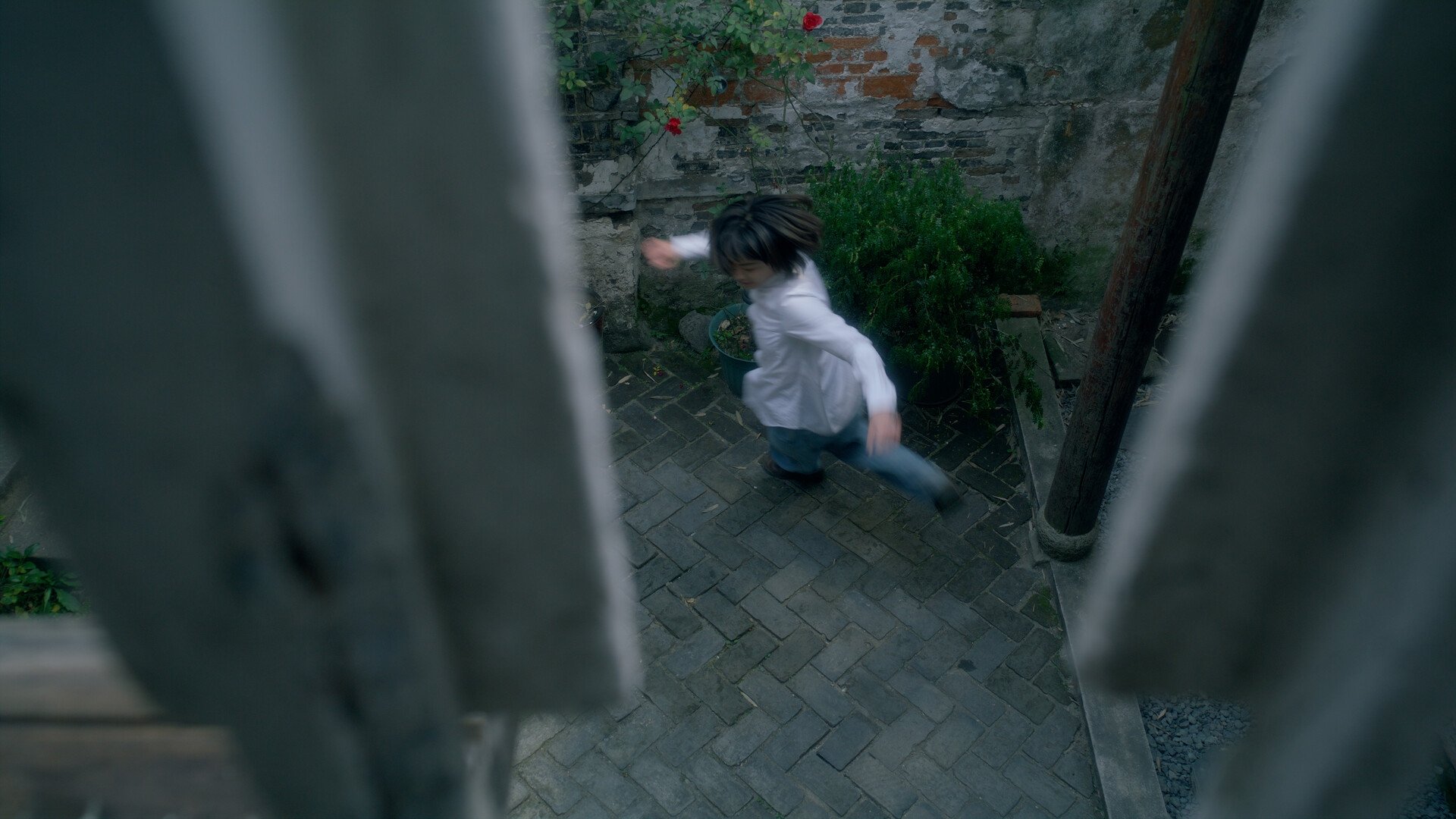
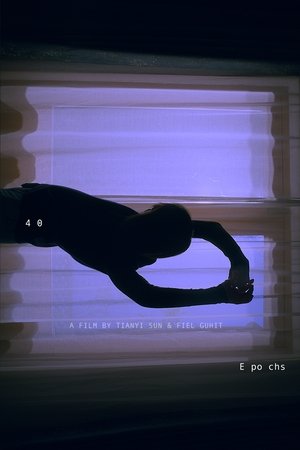


But where does the heart go when that voice is displaced from a body that still breathes? In a world where artificial intelligence accelerates and replicates the human form, the boundary between spirit and simulation begins to dissolve. Time, life, and voice become commodities. 40 Epochs is a hybrid-narrative film exploring spiritual displacement, fractured identity, and the unseen labor behind human-like technologies. Inspired by the artists' experience training an AI model to reproduce Sun’s voice, the film follows a donor in solitude as she reads, records, and revises. What begins as ritual becomes rupture, as intimate gestures entwine with the demands of machinic repetition. Narration is carried by the artifact at its core: a synthetic voice generated from Sun’s speech. Disembodied from its origin, it speaks in her place—an uncanny meditation on memory, embodiment, and the estrangement of being heard without being present.
Spotlighting the legacy of the legendary Raymond Lewis through the love of a devoted daughter.
By depicting 4 different stories, Director Sergio Tovar Velarde keeps the focus on the shared humanity and search for love (both self and romantic) of various gay Mexican men.
This film was filled with great plot points. Unfortunately, they all contradicted each other and clashed. Had the premise of Awake been more consistent and accurately portrayed the real world aspect, I think this could have been an extreme success.
There is no such thing as watching too many movies. Since we're still quarantined, I wanted to recommend another 19 movies for people to check out across Netflix, HBO Max, and more.
Netflix’s new mystery thriller, The Marked Woman (released originally as La Desconocida), is confusing. More critically, though, it commits the worst mistake a movie can make: it’s boring. From Spanish director Gabe Ibáñez, the film squanders its premise at every turn, fills the story with unlikeable characters, and lacks emotional payoff.
The shattering of what we strive to maintain as reality. It is certainly truthful to state that most, if not all, of us have experienced moments of genuine mental stress. Regardless of what might be the cause, the sheer unsettledness, the pressure that weighs upon us is a tangible force that CAN seem insurmountable. However, more often than not, this is only a temporary , one we can come through and simply move on from.