



'Meshes of the Afternoon' Enters the Realm of Sci-Fi
Many have interpreted Maya Deren’s Meshes of the Afternoon as a dream sequence, but what if the repetitive scenes we are given are not dreams but, a time loop.
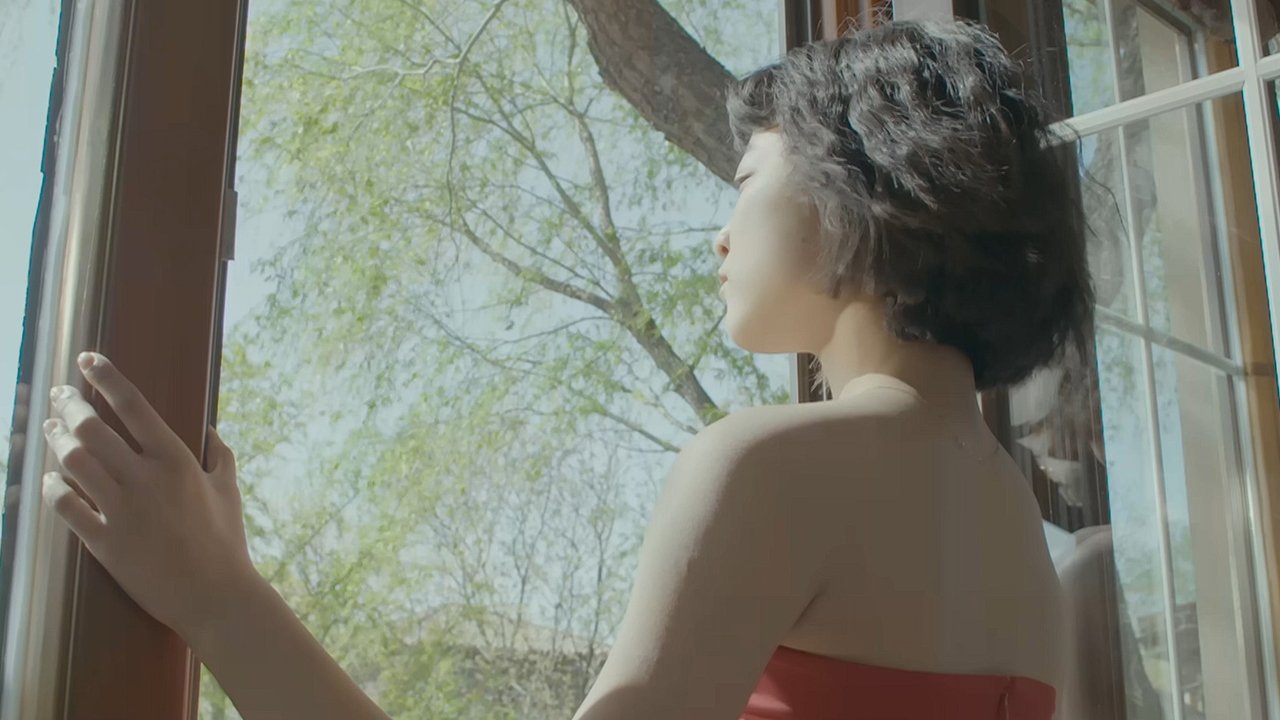



Many have interpreted Maya Deren’s Meshes of the Afternoon as a dream sequence, but what if the repetitive scenes we are given are not dreams but, a time loop.
Sorry to Bother You ultimately speaks to the unfair advantages that the country’s power structures award to those with the resources to control others, as Lift’s easy access to the media allows his opinion to be the only one that matters in the eyes of the unsuspecting and easily impressed public. Moreover, it reveals the extent to which the American Dream has any true validity. It postulates how the promise of success and fulfillment as promoted by the American Dream more often than not leads to the undoing of the individual. Interestingly, in its revealing of the American Dream as merely a facade, Sorry to Bother You wisely questions whether or not anything can really be done to undo a system that has been accepted and in action for centuries.
Our protagonists perform as the opposite gender while still preserving the parts of their personalities that makes themselves who they are.
In ‘The Owl House’ protagonist Luz Noceda stumbles across a portal to another dimension where magic exists, called The Boiling Isles.
There is a lot of controversy around Q-force. It’s certainly not hard to see why—the series is quite hyperbolic. I will say, that was the first aspect I noticed on my initial watch. Right from the get-go Q-Force barrages you with gay joke after gay joke. This is hit or miss throughout the series.
In 1971, when discussions about how to integrate their school system break down, the community of Durham, North Carolina agrees to bring in Bill Riddick(Babou Ceesay) to conduct a series of summits(charrettes) to help them move forward with desegregation.