


Is 'Queen Christina' a Queer Film?
Greta Garbo, a queer actress playing a real-life queer Queen is the best of both worlds.

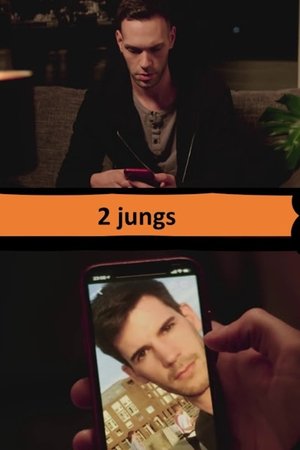
A young man has an unexpected encounter that will change his perspective on life.
Greta Garbo, a queer actress playing a real-life queer Queen is the best of both worlds.
'The Menu' has a strong story. The 5 acts, which are defined by the courses, are an excellent subversion of the classic 5-act film structure.
Despite its aggressiveness, the Beef anthology series is about romantic love in all its forms. The final scene of the first season led us to believe that, despite the conflict, drama, and toxic traits, the main characters would end up together and, most likely, live happily ever after. The whole “beef” plot was the prelude to their love story.
If you enjoy Japanese cinema, absurdly violent action films, gangster flicks, or joyfully strange cinema, 'Why Don’t You Play in Hell?' is a must-see.
It’s been awhile since I’ve seen a film that is jarring within the first five minutes. Being at the edge of my seat from the very beginning made me feel both excited and frightened for what was to come, and it did not disappoint. Led strongly by Jennifer Lawrence as Grace, a woman trapped in the “American dream”, this film shows that society tells us what should make us happy. Many critics describe Die My Love as being about post-partem depression, but it is so much more. After moving to a secluded home with her husband Jackson, Grace finds herself in the throes of motherhood. Feeling isolated in her physical environment and her romantic relationship, Grace suffers psychologically. Lawrence brings a sense of rawness and humor to the screen that is often uncomfortable. Robert Pattinson adds to the discomfort as her loving, yet lost husband Jackson, who cares about his wife but does not know how to help her. Lynne Ramsay has presented a film that forces us to look at the realness of life, and what happens when the promise of what should make you whole fails.
Dead Poets Society relies on patriarchal tropes such as overbearing fathers, contrived brotherhood, and faux-individuality in order to portray its straight white male characters as oppressed.