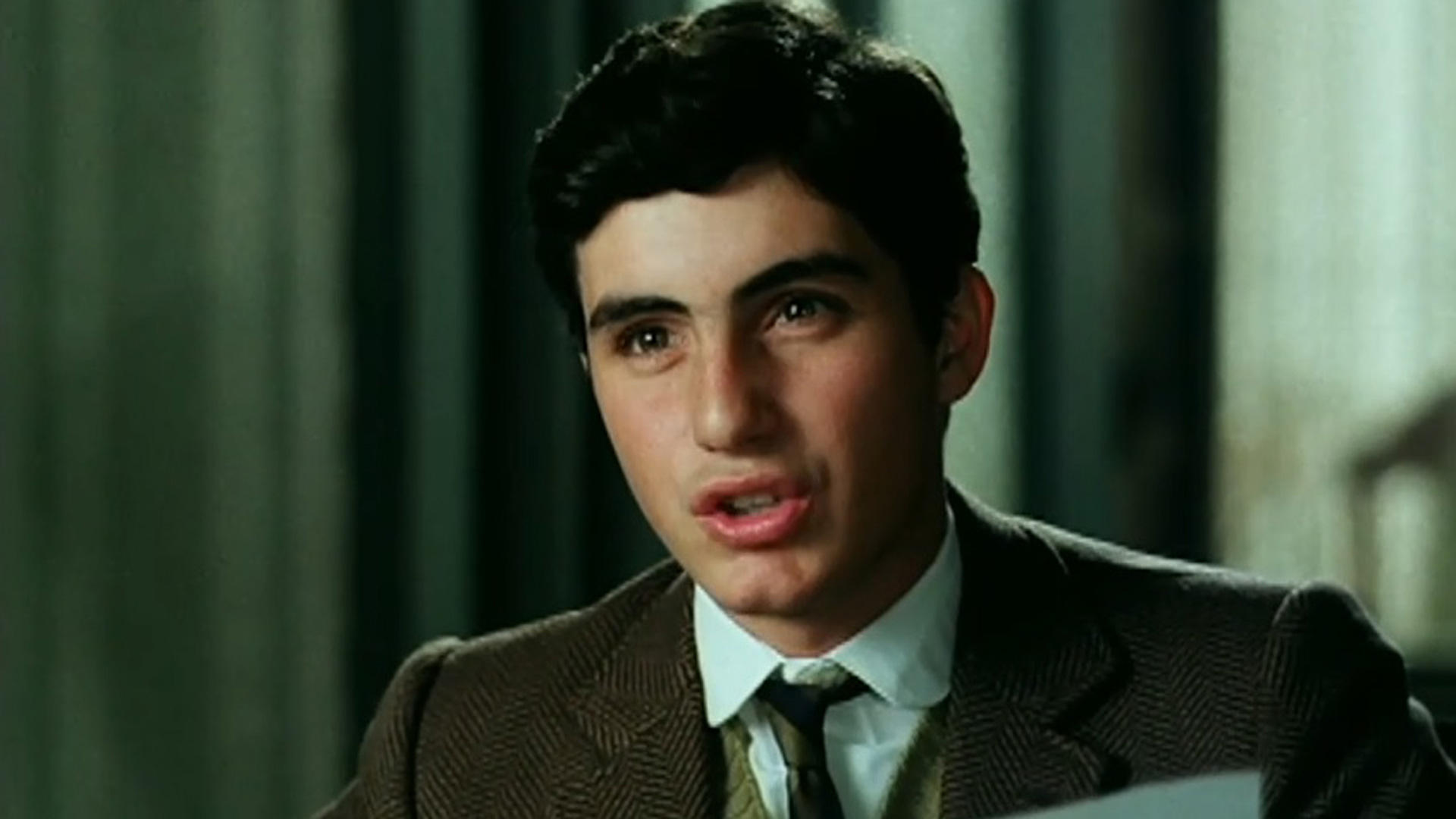
In 1939, José Garcés is in French prison camp after the defeat of Spain's Republicans. To entertain and inspire his fellow prisoners, he tells the story of becoming a man in 1919, the year he realized that learning to live is the same as learning to die. His stiff and demanding father loses a fortune in German war bonds, takes a job in Caspe, and leaves José on his own in Zaragoza to finish high school while apprenticing in a pharmacy. José courts his beloved Valentina via letters, becomes intimate with Isabel, a maid he meets in a cinema who shares his ideas of free love, and comes under the influence of El Checa, an anarchist and gentle teacher who leads a doomed revolt.
Netflix’s recent Millie Bobby Brown vehicle, Enola Holmes 3, is a disappointing and confusing entry in the stellar Enola Holmes franchise. Directed by Philip Barantini, the film stars Brown as Enola Holmes, estranged sister of Sherlock Holmes, Henry Cavill as Sherlock Holmes, and Louis Partridge as her love interest, Viscount Tewkesbury. While it deserves credit for its exciting action scenes and attempts to expand the diversity of its Dickensian setting, the most recent entry in the series completely scuttles Enola’s underdog status from the first films that made her so charming and gave a touch of realism to the story of a young, unmarried woman living in London while self-employed as a detective.
Intergenerational friendships and community can be so powerful, and this was a great example.
'Prey' is the seventh edition of the Predator series and offers a new take on the iconic hunter and an amazing representation of Native Americans.
Why did Māhū, a term once respected in Hawaiian culture, become so controversial?