


Short Film: 'The Other Side' Examines Poverty in Mumbai—“People like you don’t belong here”
In this short film, writer/director Nikita Hattangady focuses on Jai, a starving artist rooted in the latter category. Though unhoused, he works hard.

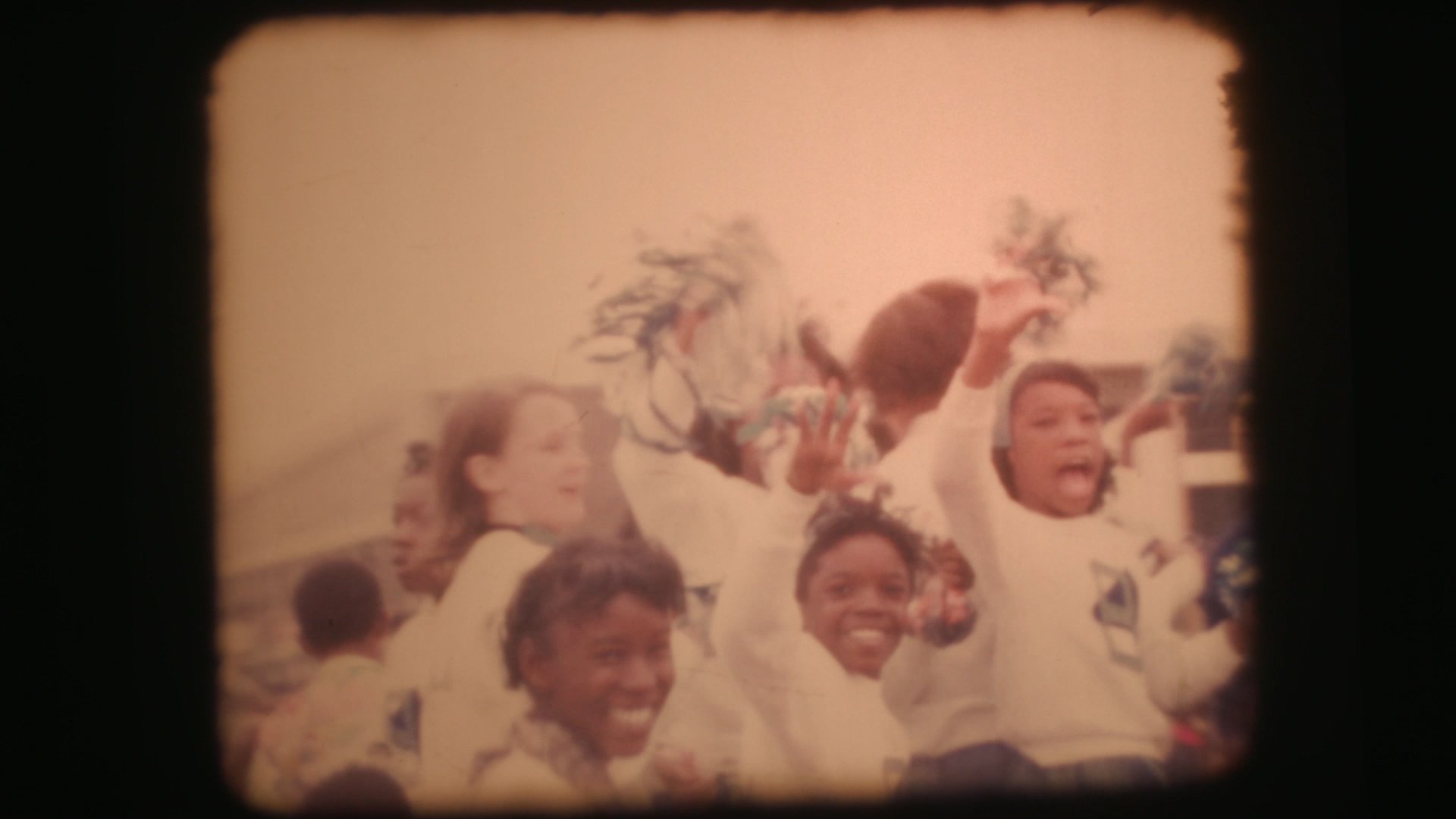
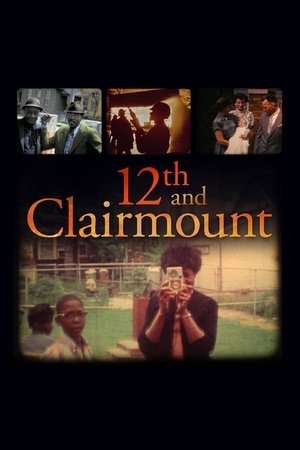
Home movie footage donated by metro Detroiters provides the spine of “12th and Clairmount,” which looks back at the Detroit riot of 1967 — and its causes and aftermath. Those five days in July were among the most pivotal — and divisive — in the city’s history, with the turmoil leaving 43 dead. While the impending 50th anniversary of the summer of ’67 was the impetus for the film, the home movie footage in “12th and Clairmount” captures a wide spectrum of Detroit life, from proud streetscapes to dance parties to neighborhood sporting events. Drawing from more than 400 reels of donated home movies from the era, other unearthed footage and newly recorded oral histories, the documentary is being produced by the Free Press in collaboration with Bridge Magazine and WXYZ-TV (Channel 7) and a group of metro Detroit cultural institutions, led by the Detroit Institute of Arts.
In this short film, writer/director Nikita Hattangady focuses on Jai, a starving artist rooted in the latter category. Though unhoused, he works hard.
Darren Aronofsky’s Caught Stealing is a gritty, darkly funny thrill ride through 1998 New York, with Austin Butler delivering a raw, magnetic turn as Hank Thompson—a washed-up ex-ballplayer turned bartender whose life implodes after cat-sitting for his punk neighbor drags him into a violent underworld of gangsters, crooked cops, and chaos. Brutal yet unexpectedly hilarious, the film blends noir grit with midnight-movie absurdity, proving Aronofsky can reinvent himself while Butler cements his status as a true movie star.
Joker is a compelling, character-driven, psychological tale that has a message behind the madness.
Dashing in December follows the tried and true outline of a traditional holiday romance, with a less traditional middle-aged gay couple as the film's romantic focus.
It doesn’t offer an absolute answer for the dialectical ethical questions that emerged in search of justice but portrays the characters as living people beyond the identities of victims.