


5 Cerebral Gore Films Featuring Women: When Slasher Meets Women's Horror
Haven't you heard? There's a new horror subgenre: cerebral gore, that's probably been around for decades and we're now just starting to talk about it.
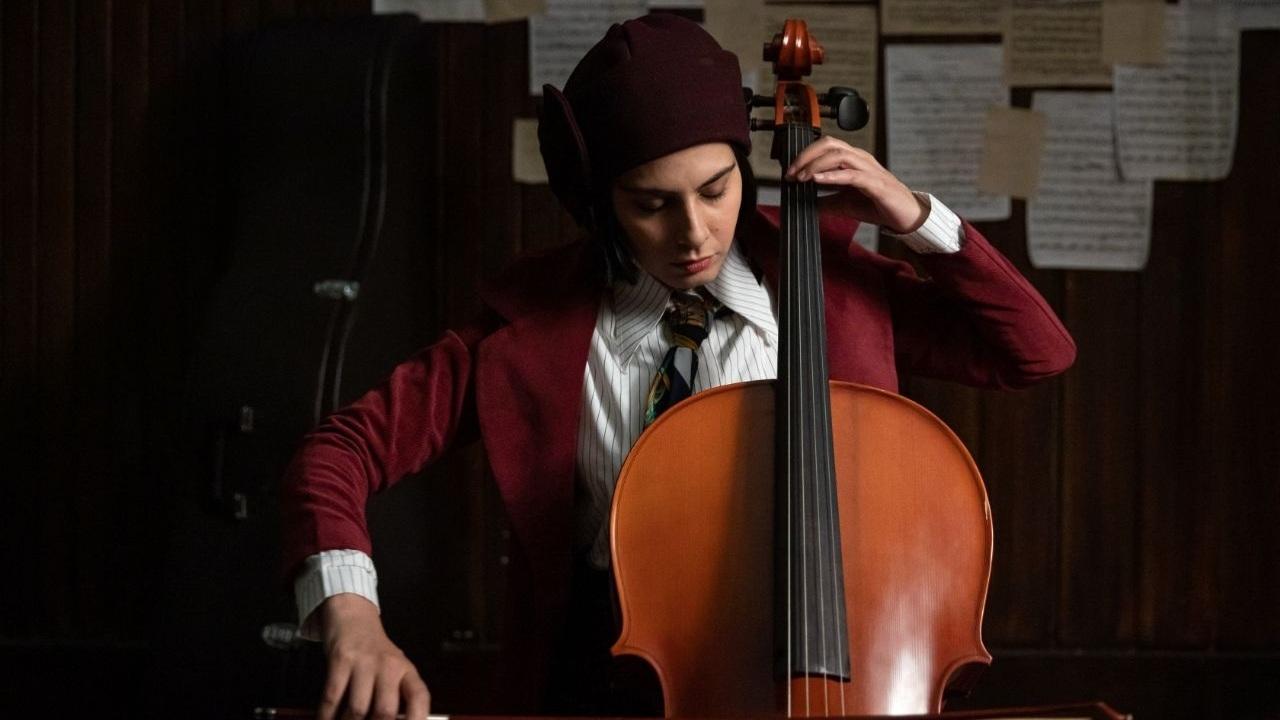



After submitting his application to resign, a judge, Ata, seeks shelter in his family villa out of town. When his son, Farhad, a university student, is released from the prison, Ata experiences a cold reunion with the family while his wife, Giti, is filing for divorce. But a car accident, leading to the death of Farhad, and the paralysis of Giti, puts him in a game of concealing the truth from Giti and Vida, Farhad’s girlfriend – just as it has been constantly concealed since the time of the loss of another family member under the heavy steps of history in a country shaken by the public movements from time to time…
Haven't you heard? There's a new horror subgenre: cerebral gore, that's probably been around for decades and we're now just starting to talk about it.
A documentary film about a disabled female athlete who builds courage within herself and seeks faith.
The initial reaction and review of Netflix's newly released romantic comedy featuring Haley Lu Richardson and Ben Hardy. Spoilers included!
Mona Fastvold’s nineteenth century lesbian romance is emotionally charged, restrained, and poetic without feeling forced.
With such a raw look at the 15th century, it seems that Disney was really trying to step outside of its element with this motion picture.
The newest in a long line of Cinderella adaptations, Amazon’s Cinderella (2021) prizes girlbossification above the very story it tries to adapt.