



Ryan Coogler's Sinners Turns Horror into History
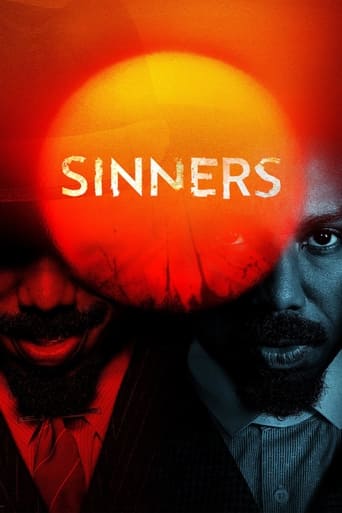
Set against the backdrop of the Jim Crow era, the film offers layered representation.

Ryan Kyle Coogler (born May 23, 1986) is an American filmmaker. His accolades include an Academy Award, a British Academy Film Award, a Grammy Award, a Golden Globe Award, ten Black Reel Awards, and fourteen NAACP Image Awards. Coogler directed a few short films at the USC School of Cinematic Arts before his feature-length debut with Fruitvale Station (2013). He then transitioned to directing and writing franchise films, including the Rocky series spinoff Creed (2015), as well as the Marvel films Black Panther (2018) and Black Panther: Wakanda Forever (2022). Coogler also produced the historical drama Judas and the Black Messiah (2021) and the supernatural horror film Sinners (2025), which he also wrote and directed. He received Academy Award nominations for Best Picture for both films, while for Sinners he was also nominated for Best Director and won the Oscar for Best Original Screenplay. In 2013, he was included on Time's list of the 30 people under 30 who are changing the world. In 2016, he was included in the annual Time 100 list of the world's most influential people. In 2018, Coogler was named the runner-up for Time's Person of the Year, and he was included in the annual Time 100 list of the most influential people in the world. In 2021, Coogler, his wife Zinzi Coogler, and Sev Ohanian founded the multimedia production company Proximity Media. Description above from the Wikipedia article Ryan Coogler, licensed under CC-BY-SA, full list of contributors on Wikipedia.
Set against the backdrop of the Jim Crow era, the film offers layered representation.
The quiet ache of guilt sitting at the dinner table, the silence after a truth is buried, and the way pain is passed down like a name.
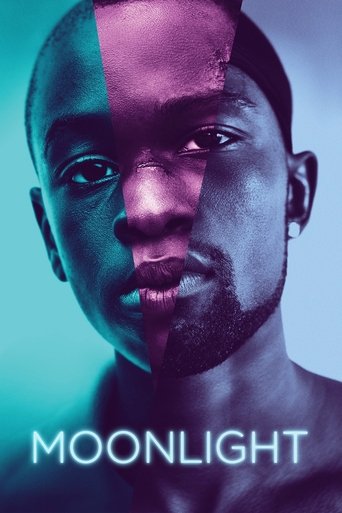
Barry Jenkins' masterpiece holds up as the story of a lifetime centered on the intersection of Blackness and gay identity.
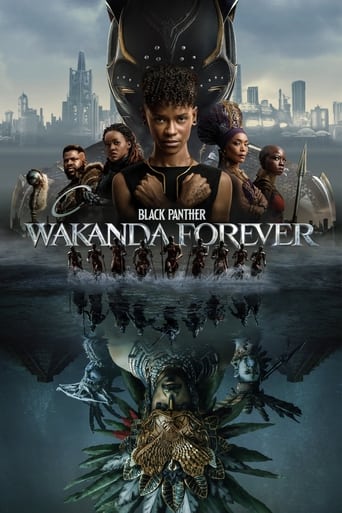
The nations of Wakanda and Talokan enter war over their opposing viewpoints on dealing with the destructive hearts of humankind on the surface world.
Moonlight is a film that will certainly be remembered for how it won Best Picture, but the movie itself should be known for its excellent representation of one of the most underrepresented groups in film: Black, gay men.
(Disclaimer: Harmful Language) In celebration of Pride Month, Father's Day, and father figures (and whoever supports you), I revisit Moonlight's brief but spectacular character, Juan. With overarching themes tied to masculinity, I reexamine his intimacy with Little.