‘Moxie!’- Amy Poehler’s Attempt at Feminist Film
Based on the novel by Jennifer Mathieu and directed by Amy Poehler takes on intersectional feminism.



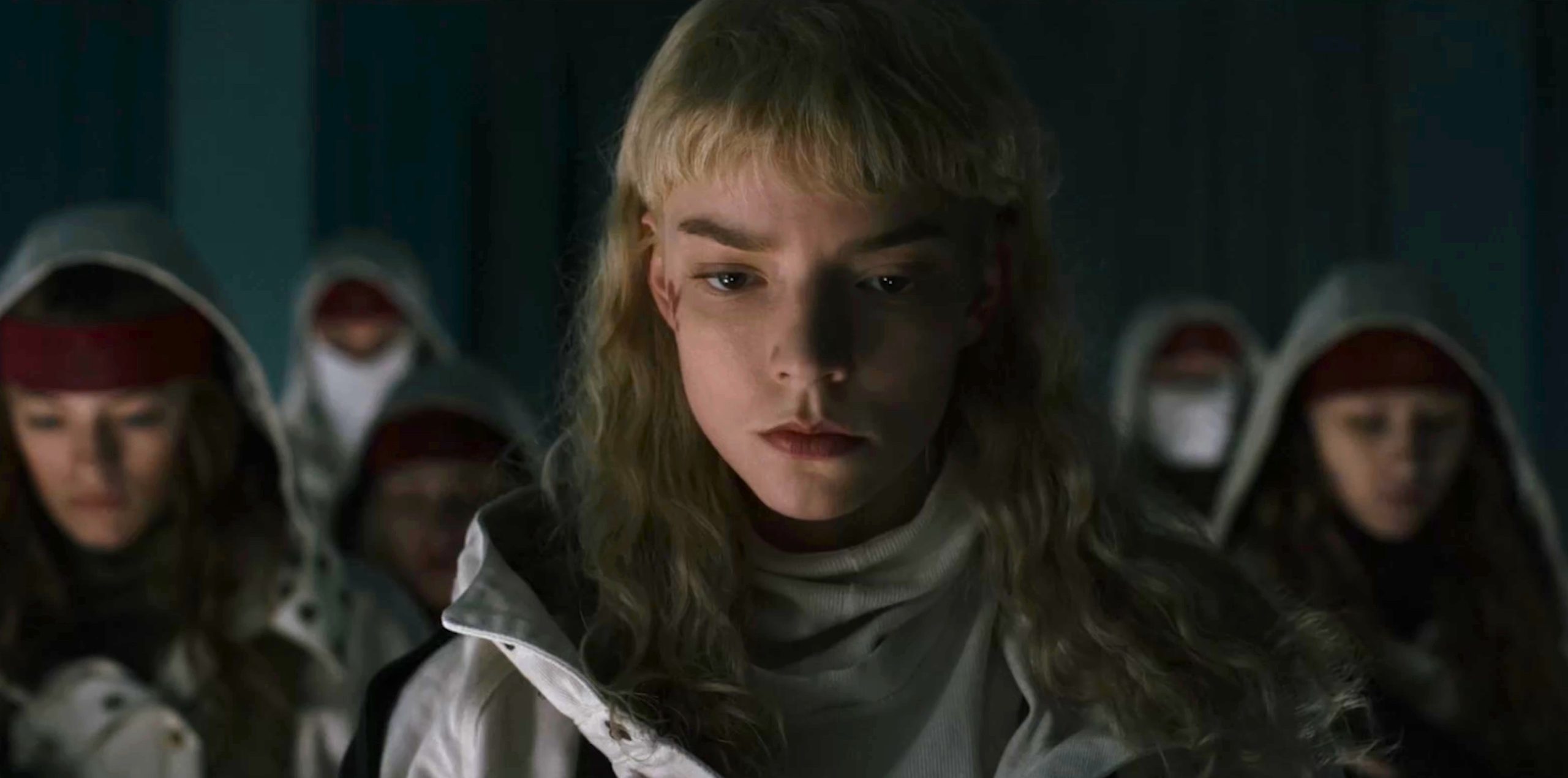
Netflix’s newest “blockbuster”, Sacrifice, follows washed-up A-list actor Mike Tyler (Chris Evans) as he attempts to repair his reputation at a climate change gala for the affluent, hosted by Ben (Vincent Cassel) and Gloria Bracken (Salma Hayek Pinault). In the midst of the soirée, a climate cult predicting an impending doomsday, led by Joan (Anya Taylor-Joy), hijacks the faux-progressive gala and kidnaps three individuals to sacrifice to the nearby volcano that is about to erupt and cause the next extinction-level event.
It is sad to say, but this movie is extremely disappointing. With a promising premise, there was hope for at least a semi-interesting take on the state of modern progressive movements and the hypocrisy built into the billionaire class advocating for greener approaches to saving the Earth. Rather, this movie spends only fifteen minutes pondering that quandary and then dedicates the rest of the runtime to equating climate change activists with tree-hugging terrorists who have a pseudo-religious devotion to their Jesus figure, Joan.
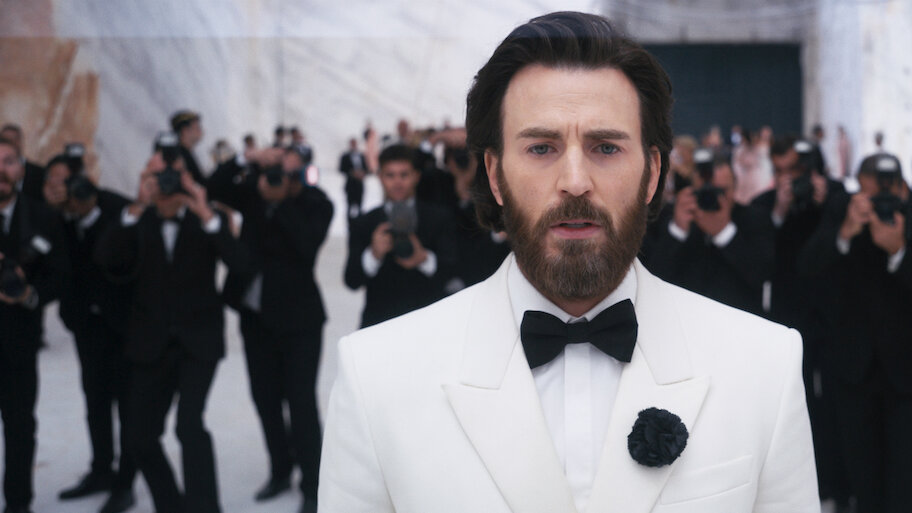
By the start of the second act, when Joan and the other cultists hijack the gala, the movie has already failed to encourage the audience to care about the characters or their outcomes. Chris Evan’s Mike is supposed to be the reformed protagonist, seeing new light and hypocrisy in the world around him throughout the duration of the film. Unfortunately, he only gains consciousness after Joan starts adoring him, which is what he wanted from the start. He doesn’t change; he just adapts his already existing conceitedness to his current audience throughout the film. Mike’s character lacks any depth or relatability, and the movie’s feeble attempt to sway audiences to garner sympathy for him ends at the ham-fisted reveal that his dad died that year, in a moment where Mike just blurts it out to another character. No matter how hard they try, it is difficult to care about what happens to him because he possesses no real personality or redeeming qualities.
Anya Taylor-Joy’s Joan is only incrementally more interesting than Mike, because at least she has a slightly more developed and unique backstory. As a young cult leader who predicts the end of civilization via a volcanic eruption, Joan learns she can only satiate the volcano by giving it three human sacrifices, so she and her fellow cultists go out to hunt for their perfect trio. Taylor-Joy breathes life into Joan quite well given the lackluster material she has to work with; nevertheless, by the end of the film, it feels like Joan is better suited as a Bond villain from the seventies. Joan’s existence reads closer to a caricature of real people who are actually fighting against the climate crisis, rather than a tangibly real person, unfortunately diluting the purpose of her character’s existence in the film.
Weirdly, Sacrifice does have something interesting to say about the state of Hollywood representation, but it is likely entirely accidental. Historically, in actual progressive movements throughout history, people of color have been at the forefront of the fight. Think of the Stonewall Riots in New York City focused on queer liberation or Malala Yousafzai’s work for female education. If this film wanted to root itself in reality more, it would have made sense to cast at least some of the climate activists as people of color. By bringing on Taylor-Joy, a white Latina woman who does not consider herself a woman of color, Sacrifice proves the entire point it is trying to satirize. Much like the affluent characters in the film, Sacrifice cannot even commit itself to real progressivism, and keeps it to surface-level statements to collect its representation consolation prize.
That said, not everything about this movie is horrible. There is not much to celebrate, but the cinematography, led by Matias Boucard, does highlight the captivating locations this film secured. It did allow the volcanic island that this film is set on to emphasize the thesis of this movie, which is that climate change is a very present and real danger. If the billionaire class continues ruining every edge of this picturesque planet, humans will only get to enjoy the true beauty of Earth for a bit longer, so Boucard emphasizes its majesty even more prolifically.
The central issue of this film is that it tries and fails to satirize the lengths that people have to go to get a spotlight put on climate issues. Unfortunately, when this film is distributed by such a large corporate media conglomerate like Netflix, the messaging is diluted along the way because of the corporate sanitization required to maintain a company’s image. Companies like Netflix want to point their fingers at the bad guy, just like everyone else, but sometimes the bad guy is the person looking back in the mirror. Maybe a version of this movie existed where it had something interesting to say about climate change, capitalism, and even people losing themselves to complex social issues, sometimes to the point of religious and political psychosis. Sadly, it isn’t this version of Sacrifice, though.