
Dead Poets Society Steals a Queer Story
Dead Poets Society relies on patriarchal tropes such as overbearing fathers, contrived brotherhood, and faux-individuality in order to portray its straight white male characters as oppressed.
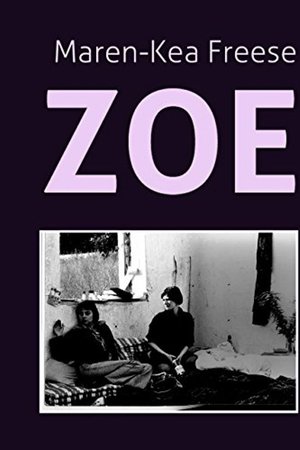


Maren Kea-Freese's short film ZOE is about an elevator girl in Berlin's TV Tower on Alexanderplatz. It shows the daily life of a woman trying to find herself in a city that is itself in transition. ZOE was shot in 1992, not long after the reunification of Berlin. The poetic 16mm black and white imagery shows Eastern districts such as Mitte and Prenzlauer Berg before many buildings there were demolished or remodeled.
Dead Poets Society relies on patriarchal tropes such as overbearing fathers, contrived brotherhood, and faux-individuality in order to portray its straight white male characters as oppressed.
This Disney Channel Original Movie shows how two different groups can coexist.
Writer and producer of 'Remember Me: The Mahalia Jackson Story', Ericka Nicole Malone discusses her humble beginnings in the industry.
This Transgender Day of Remembrance, let us take a look at six films about transgender children grappling with their identity in a heteronormative world that despises their kind and tries its best to invalidate their feelings.
The film, which focuses on an Argentinian family during an intimate birthday dinner, efficiently captures the eccentricities of each character as well as the nuances of their interpersonal dynamics.
There’s enough evidence to insinuate that What We Do in the Shadows is intentionally queer-coded.