


HBO Max: The Best Movies and TV Shows for Diversity
Whether you like cinema classics, sketch comedy, or science fiction, HBO Max has something for you! Check out our top picks for diversity and representation.
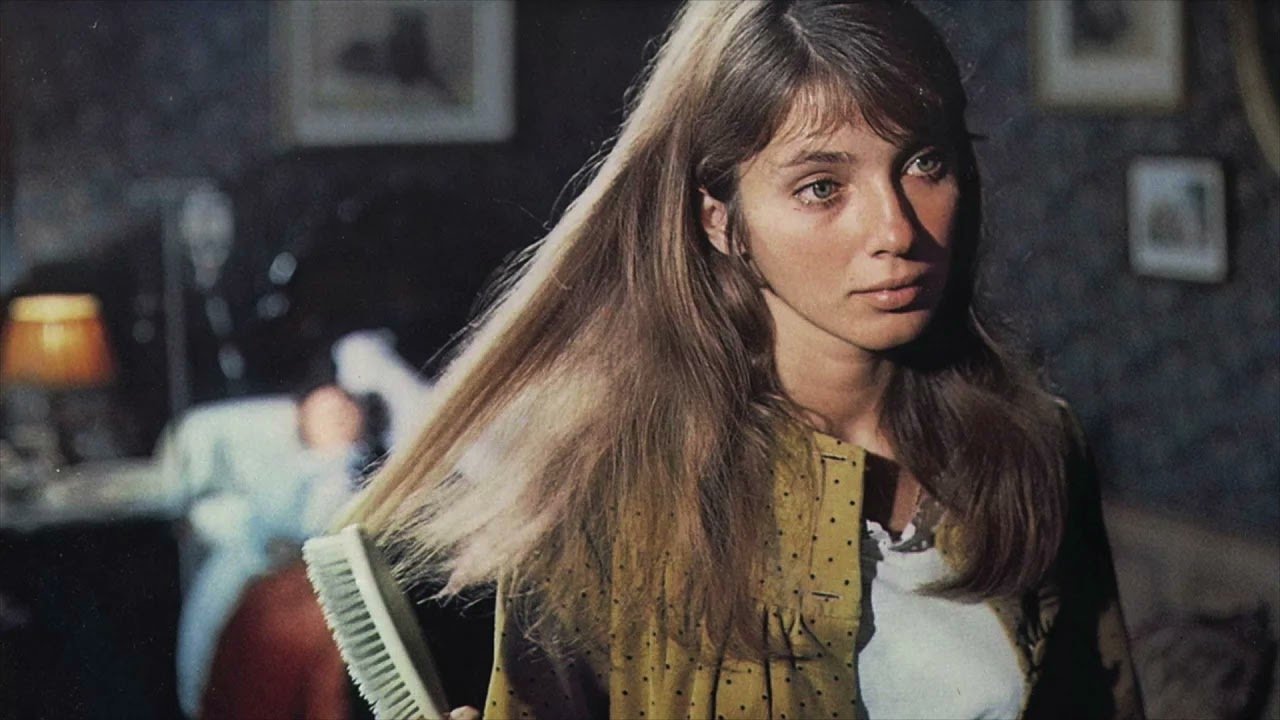
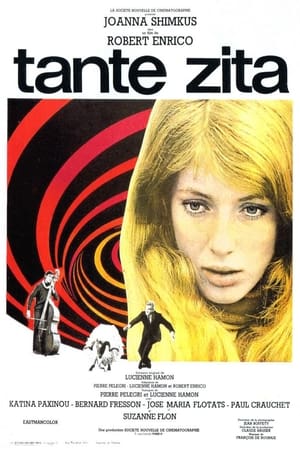


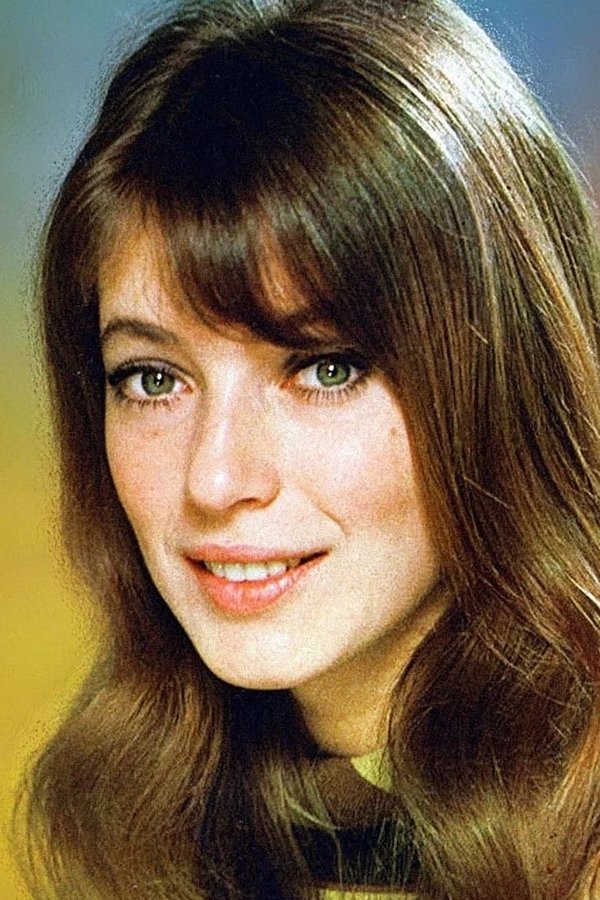
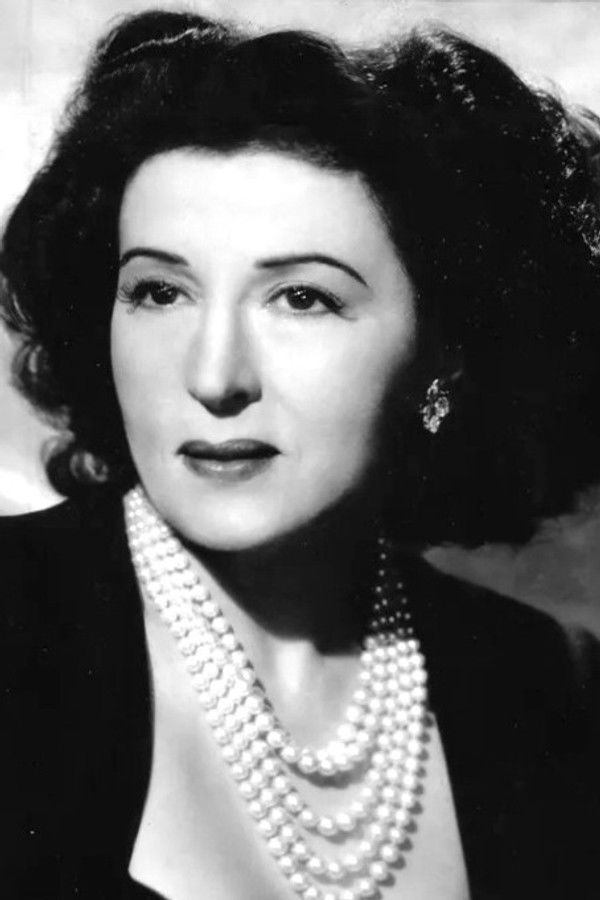
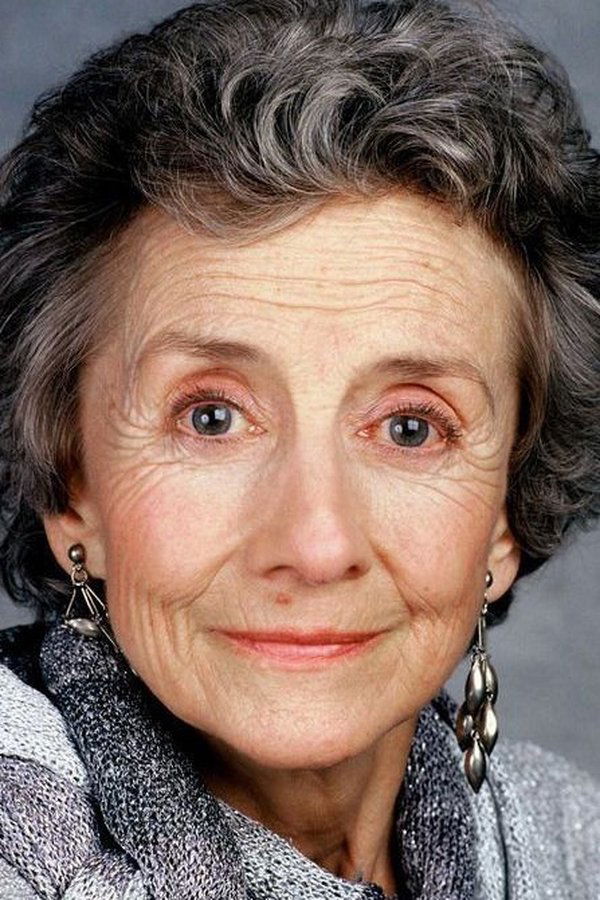
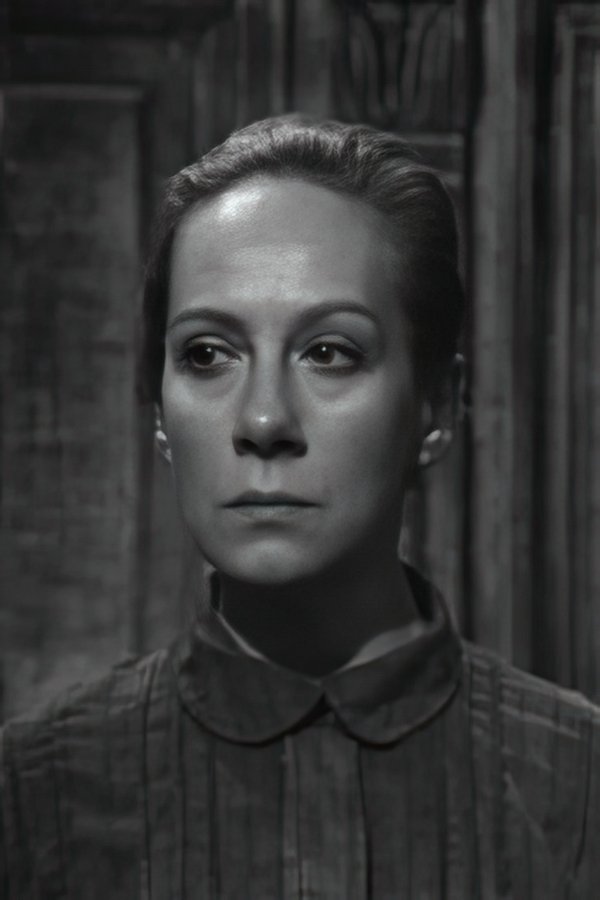
Because "Tante Zita" main theme is death: a twenty-year old girl, Annie (Shimkus) lives with her mother and her aunt (both played by first-class actresses Suzanne Flon and Katina Paxinou). The auntie is dying, and for the first time in her life, Annie has to cope with death. One night, she finds it too hard to bear, and leaving home where the old woman is suffering, she begins to hang around in Paris. She will meet people, and, from dusk to dawn, she will learn to leave her childhood behind and to grow into a woman.
Whether you like cinema classics, sketch comedy, or science fiction, HBO Max has something for you! Check out our top picks for diversity and representation.
Films staring black transgender actresses/actors are few and far between, it’s refreshing to see a demographic represented in film that hardly gets any attention. This is especially important as the Black trans community has been shown in studies to face the highest level of discrimination amongst general trans and non-binary groups. That is why it’s so crucial that we amplify their voices through any way we can, storytelling being a great medium to do so.
Dune has stunning visuals, a striking soundtrack, and great performances. But it has issues everywhere from its pacing, to its story, to its diverse representation.
Death on the Nile (1978) film mindless entertainment playing out on sets and wonders larger than the stakes, both of these films fail to live up to the hype of Agatha Christie's mystery. Check out cast & characterless controversy.
What makes The Matrix saga fascinating is the symbolism of caves and trans allegories
Animation as a medium of storytelling can be thought to be open to all ages and as I hope my reading will reveal, 'Nimona' could be interpreted as a transgender story.