
"Desert Warrior": Just Watch It
While everyone was going gaga over The Odyssey, Desert Warrior was quietly taking audiences on an epic Arabian “knights of the sand table” adventure
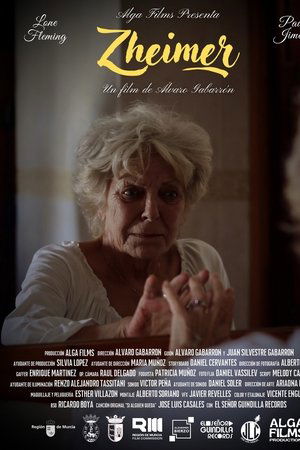


One morning, an elderly woman grappling with Alzheimer’s awakens, gazes into the mirror, and, confronted with a stranger’s reflection, embarks on a poignant quest to rediscover the face she has carried through a lifetime, now altered overnight.
While everyone was going gaga over The Odyssey, Desert Warrior was quietly taking audiences on an epic Arabian “knights of the sand table” adventure
Some people’s first introduction to Mira Nair might be as New York mayor Zohran Mamdani’s mom. But with her insightful direction of 1991’s Mississippi Masala, Nair shows how much she deserves to be known as an artist. Delivering a nuanced portrait of a romance between a Black man and an Indian woman living in the South, Nair explores the complications each character faces, giving both equal weight.
It’s been awhile since I’ve seen a film that is jarring within the first five minutes. Being at the edge of my seat from the very beginning made me feel both excited and frightened for what was to come, and it did not disappoint. Led strongly by Jennifer Lawrence as Grace, a woman trapped in the “American dream”, this film shows that society tells us what should make us happy. Many critics describe Die My Love as being about post-partem depression, but it is so much more. After moving to a secluded home with her husband Jackson, Grace finds herself in the throes of motherhood. Feeling isolated in her physical environment and her romantic relationship, Grace suffers psychologically. Lawrence brings a sense of rawness and humor to the screen that is often uncomfortable. Robert Pattinson adds to the discomfort as her loving, yet lost husband Jackson, who cares about his wife but does not know how to help her. Lynne Ramsay has presented a film that forces us to look at the realness of life, and what happens when the promise of what should make you whole fails.
Outer Banks (2020-) knows its audience: young adults in a country that can’t stop romanticizing good ole’ treasure hunts. Add a little of Riverdale’s (2017-) sex appeal, and no one can look away. Forty years after The Goonies (1985) America’s consciousness hasn’t strayed from the same tropes: treasure hunts, a vulnerable white male lead, and the whitewashing of a racially segregated setting.
Dracula evolved from a person to a monster and then from a monster to a person.
Can a piece of bad representation truly be reclaimed? We Are Pat (2025) attempts to answer this question.