




“Keanu” Paved the Way for “Get Out”
Jordan Peele's turn to horror with "Get Out" isn't as unexpected as it may seem. He primed his fans for a disturbing and nuanced exploration of racism with his work on "Keanu" and "Key & Peele."
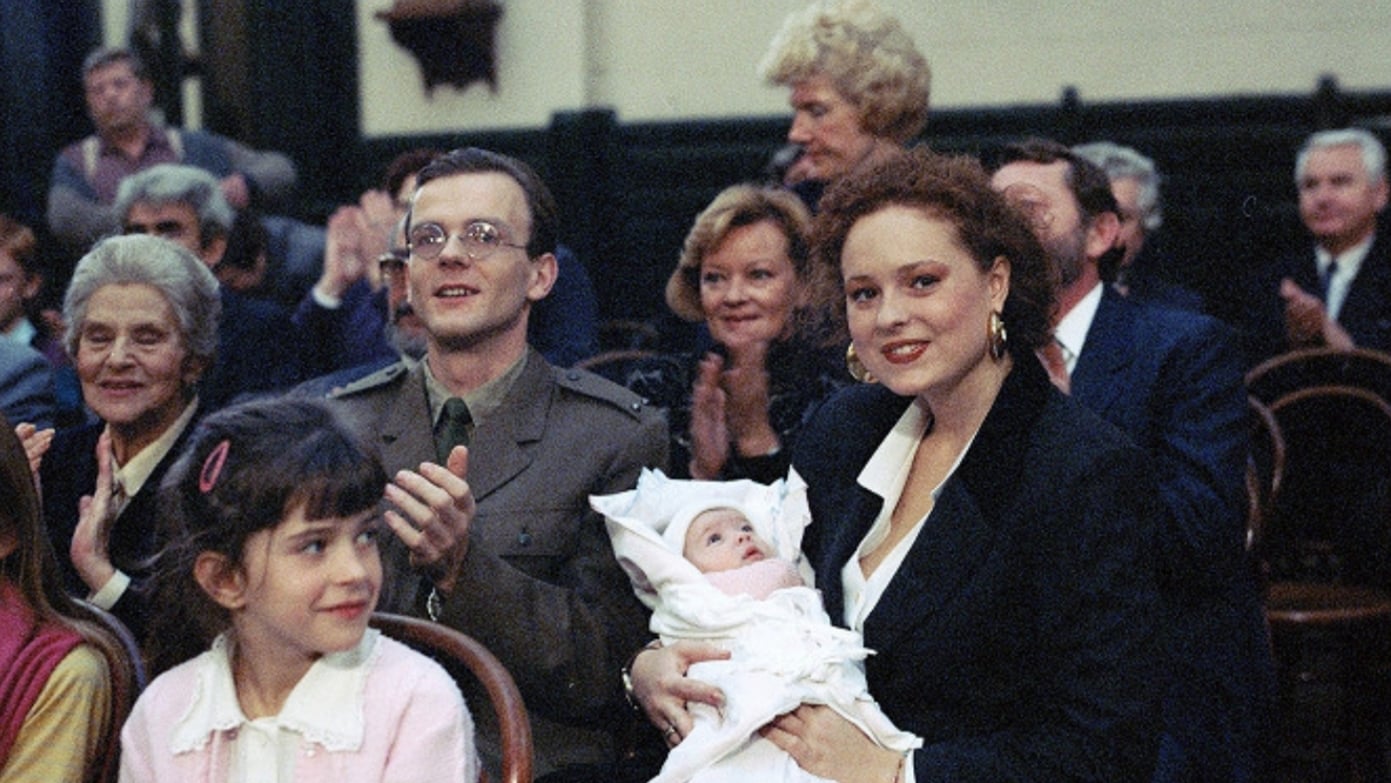
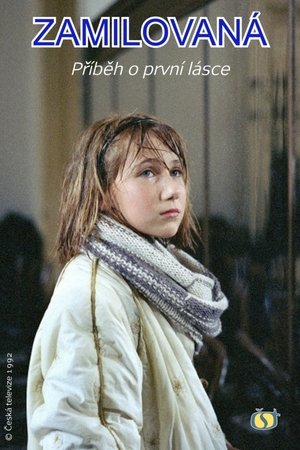


A young and sympathetic teacher joins the music school. He leads the school orchestra and also teaches twelve-year-old Anezka to play the cello. The girl falls in love with him and only her grandmother, who lives alone and does not get along with Anezka's mother, her daughter-in-law, has any sympathy for her. But even she can't help Anezka overcome her first emotional turmoil, so the girl uses a little trickery to get closer to her teacher...
Jordan Peele's turn to horror with "Get Out" isn't as unexpected as it may seem. He primed his fans for a disturbing and nuanced exploration of racism with his work on "Keanu" and "Key & Peele."
A pop star at Radio City Music Hall gets the opportunity to change herself to save her music career.
A simple question often sparks intense debate. Incluvie attempts a working definition for the beloved horror genre.
Being made after the death of Chadwick Boseman will be a hard but exciting ride for this Marvel entry.
Seeing that the film was essentially his first big, mainstream feature, and with garnering a leading role — portraying the revolutionary ball-player Jackie Robinson — Boseman, without question, delivered a performance that is still so incredibly moving, respectful, genuine, and true to the core of his obviously sincere, artistic heart; and with that, it is indeed so saddening to see him pass.