




Pro-Capitalism and other Antiquated Ideas on Court TV
Court TV shows offer uncritical eyes on the systemic inequalities of the legal world.
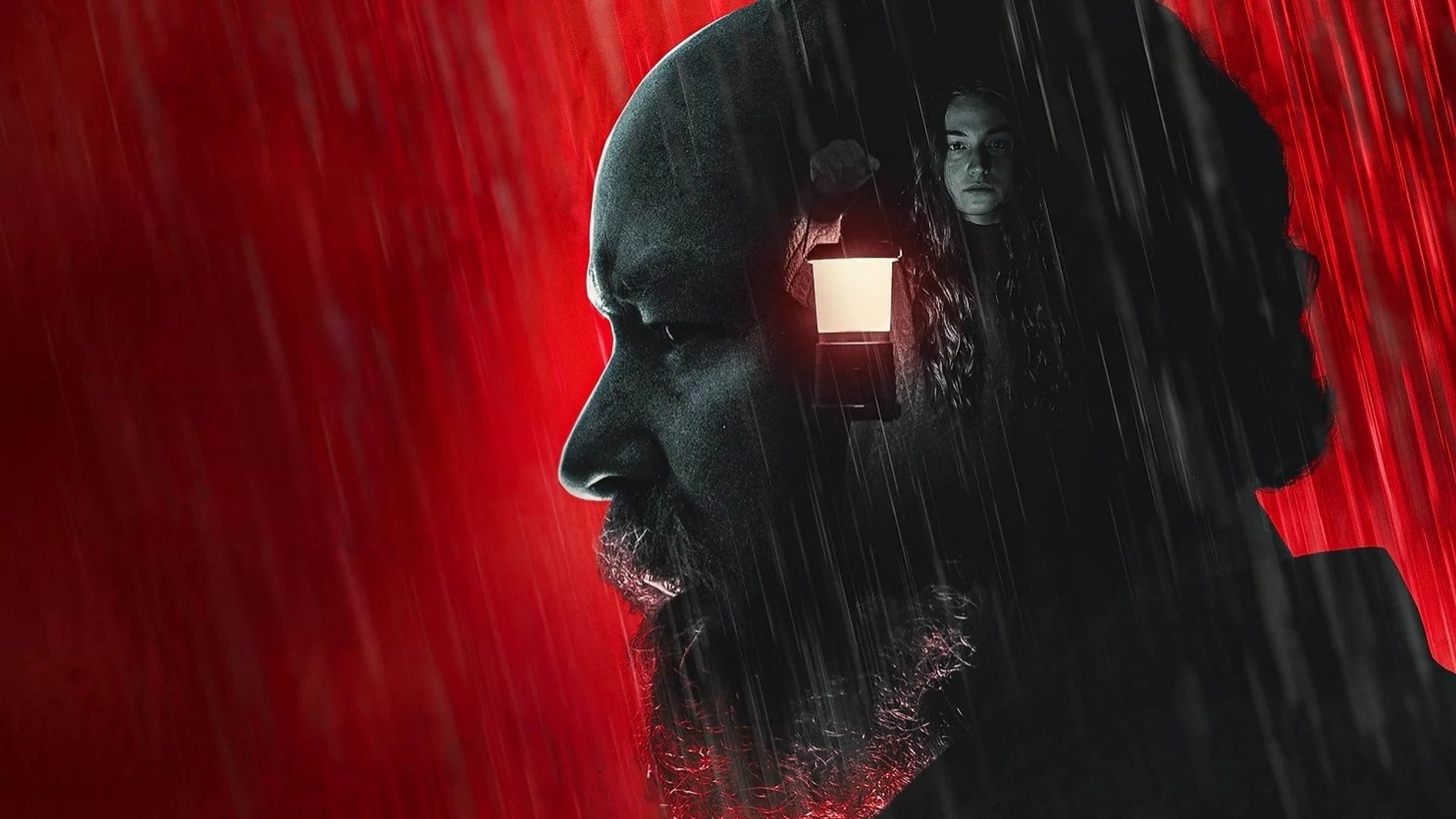



Patrick, a strange and lonely resident, lives in a mobile home at the back of an isolated caravan park. After a violent thunderstorm erupts, a mysterious young woman appears at his door, seeking shelter from the weather. The longer the night wears on and the more the young woman discovers about Patrick, the more difficult she finds it to leave. Soon she begins to question Patrick’s intentions, while Patrick begins to question his own grip on reality...
Court TV shows offer uncritical eyes on the systemic inequalities of the legal world.
‘Sexy Beasts’ promotes itself as different from other dating shows as being not appearance-based. This is true to some extent thanks to the special effects makeup. However, looks do still play a role despite the masks.
Disney has kept its word and allowed a new generation of Black and/or African storytellers to tell their own original stories. The question remains, will the public keep their word?
The importance of trying new things and teamwork are two life lessons explored in this family-friendly sports film.
With mismatched eyes, a willingness to experiment with hair color and style, and a rail thin frame, Bowie always drew attention. But he shunned gendered attractiveness, creating his own space somewhere in between. This hallucinatory and often nonlinear 2022 documentary is a perfect salute to David Bowie’s life and career. Rather than interviewing those that knew Bowie, the standard convention for biographical portraits, director Brett Morgen mostly lets the artist’s images, performances, videos, and words speak to capture the essence of the artist. Bowie was more than just a pop star. He painted, sculpted, acted in films, and was a thoughtful and articulate person who gave sincere answers to even the most shallow interview questions.
Rare in the days of franchise sequels and indie horror films that dominate the screen in 2026, Netflix’s latest original release, Remarkably Bright Creatures, is a feel-good family movie that leaves nothing to be desired except tissues. Starring Sally Field and Lewis Pullman as two cleaners at a small-town aquarium, Remarkably Bright Creatures reminds viewers that humans are social animals whose strength comes not from our intelligence or our opposable thumbs, but from each other.