

'The Reason I Jump': Looking At The Lives Of Autistic People
Based on the bestselling memoir, viewers get a glimpse of the challenges of autistic people.
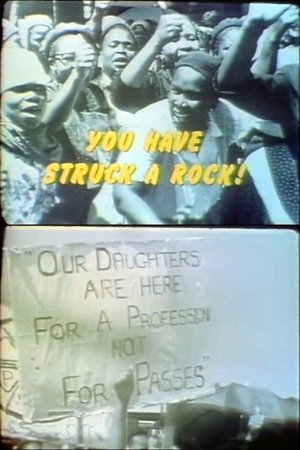


You Have Struck A Rock! commemorates the special contribution of South African women to the success of the anti-apartheid struggle. It recovers the remarkable "women's campaigns" of the 1950s against the hated pass system. This massive, non-violent civil disobedience movement was only finally crushed by the 1960 Sharpeville Massacre and the banning of anti-apartheid organizations. Lilian Ngoyi, Helen Joseph, Dora Tamana and other leaders recall this struggle and their imprisonment and banning. Yet they remain undaunted, demonstrating the South African proverb: "When you have touched a woman, you have struck a rock."
Based on the bestselling memoir, viewers get a glimpse of the challenges of autistic people.
Rap Sh!t has been confirmed for a second season by HBO! Go watch it and support this creative exploration of Hip-Hop culture from Issa Rae.
Sorry to Bother You ultimately speaks to the unfair advantages that the country’s power structures award to those with the resources to control others, as Lift’s easy access to the media allows his opinion to be the only one that matters in the eyes of the unsuspecting and easily impressed public. Moreover, it reveals the extent to which the American Dream has any true validity. It postulates how the promise of success and fulfillment as promoted by the American Dream more often than not leads to the undoing of the individual. Interestingly, in its revealing of the American Dream as merely a facade, Sorry to Bother You wisely questions whether or not anything can really be done to undo a system that has been accepted and in action for centuries.
Mulan had to struggle to feel like herself and see herself properly. Some of us have to strive to have our reflection mimic what’s inside. We have to crawl. We have to fight.
A musical adventure that young viewers will enjoy as Blue and Josh travel to New York City for a big opportunity.
If you were to watch it on streaming when you have nothing to do, it’s still probably a giant waste of time, but you could do far worse. Paying $18 for a movie ticket and who knows how much for concessions turns this from an exercise in boredom to an exercise in frustration.