“I’m a newspaperman!”: Howard Hawks softened a political satire into a proto-feminist romcom
"His Girl Friday" set the bar for romcoms and gave us a feminist heroine before feminism was cool.
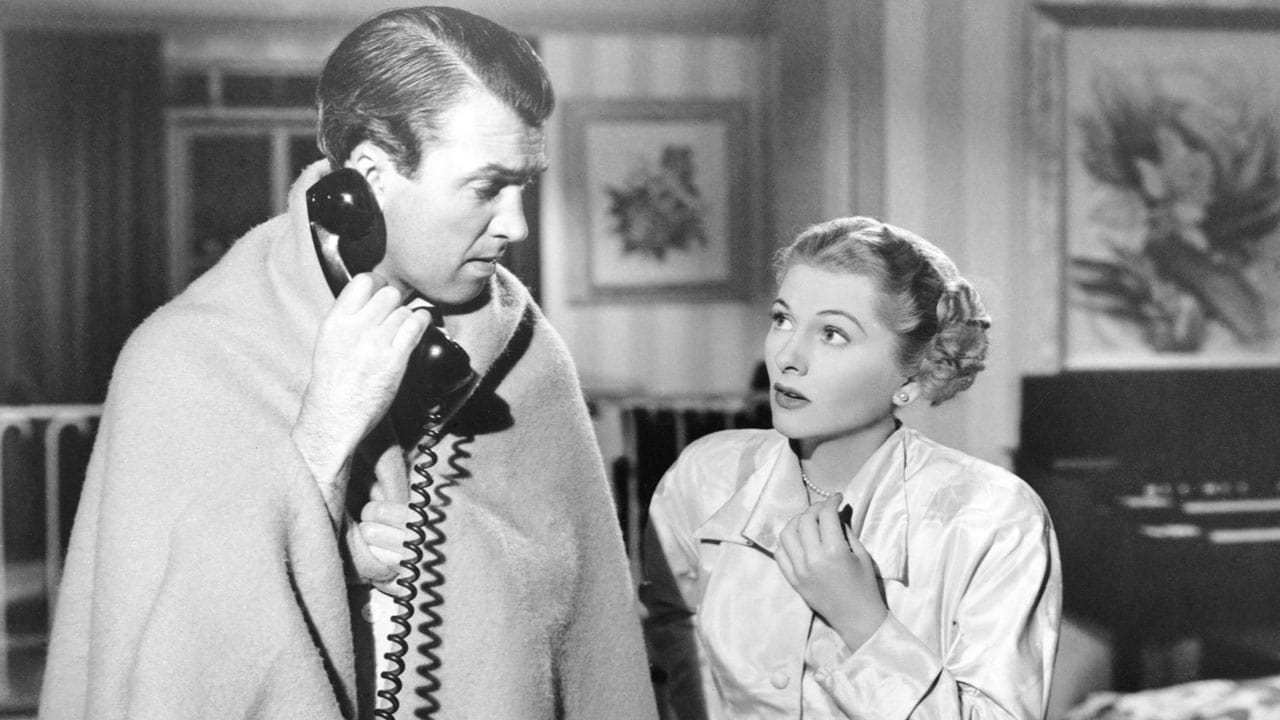
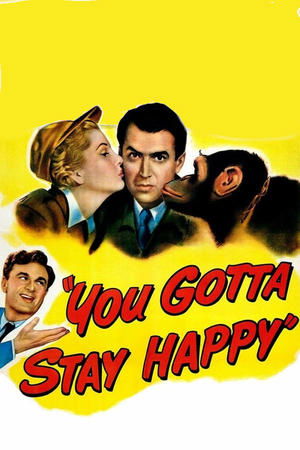


Indecisive heiress Dee Dee Dillwood is pushed into marrying her sixth fiancée, but unable to face the wedding night, she flees into the adjacent hotel room of commercial pilot Marvin Payne, who just wants to sleep. She then persuades him to take her to California.

H. C. Potter
Director

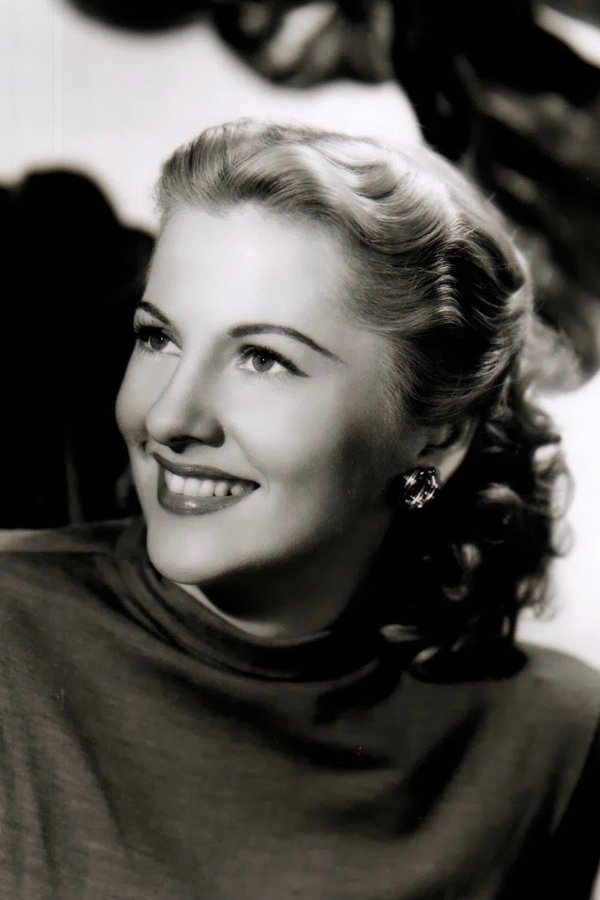
Joan Fontaine
Dee Dee Dillwood
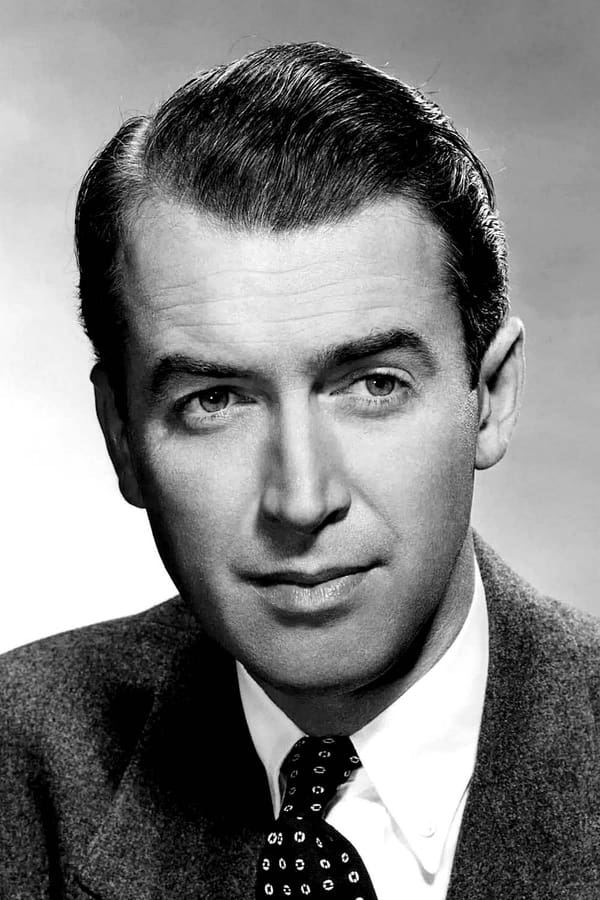
James Stewart
Marvin Payne
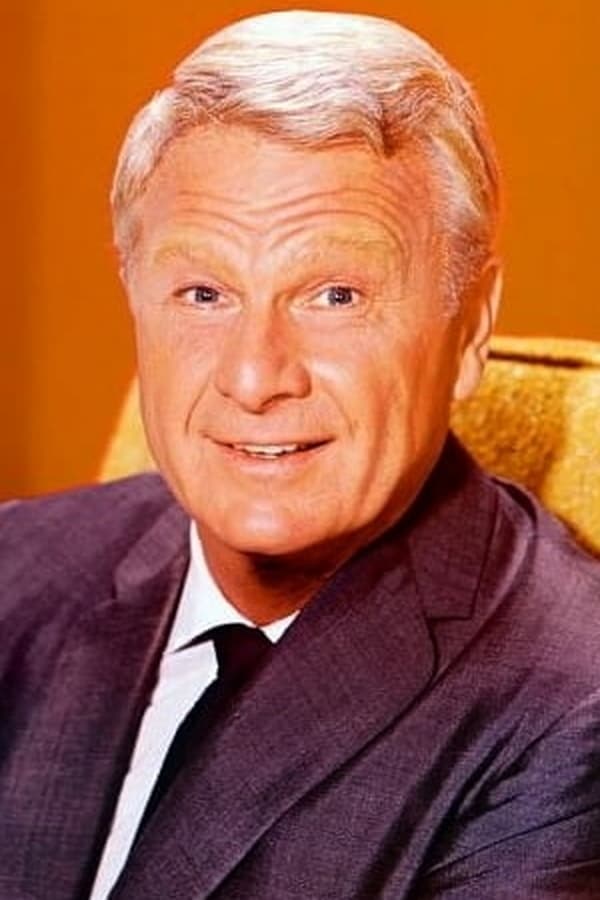
Eddie Albert
Bullets Baker
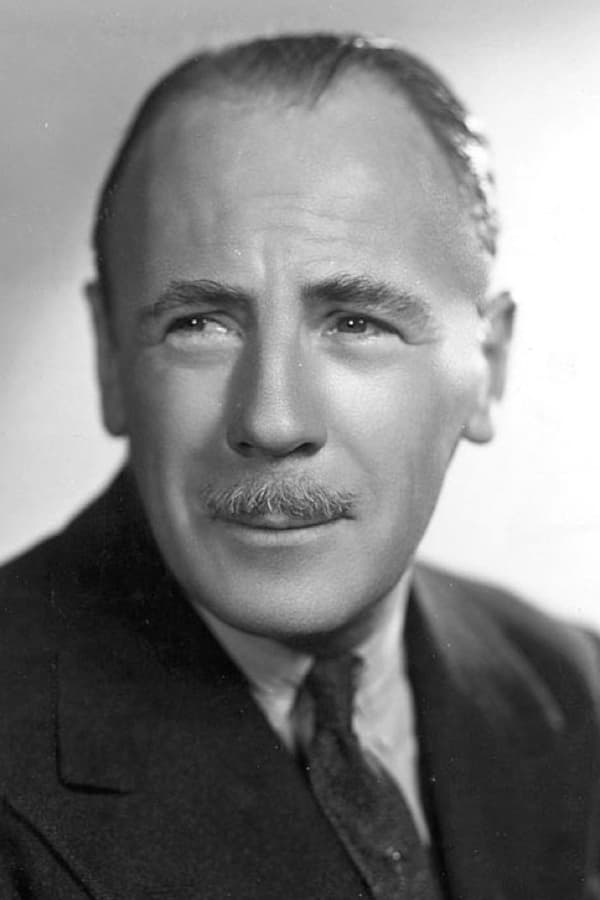
Roland Young
Ralph Tutwiler
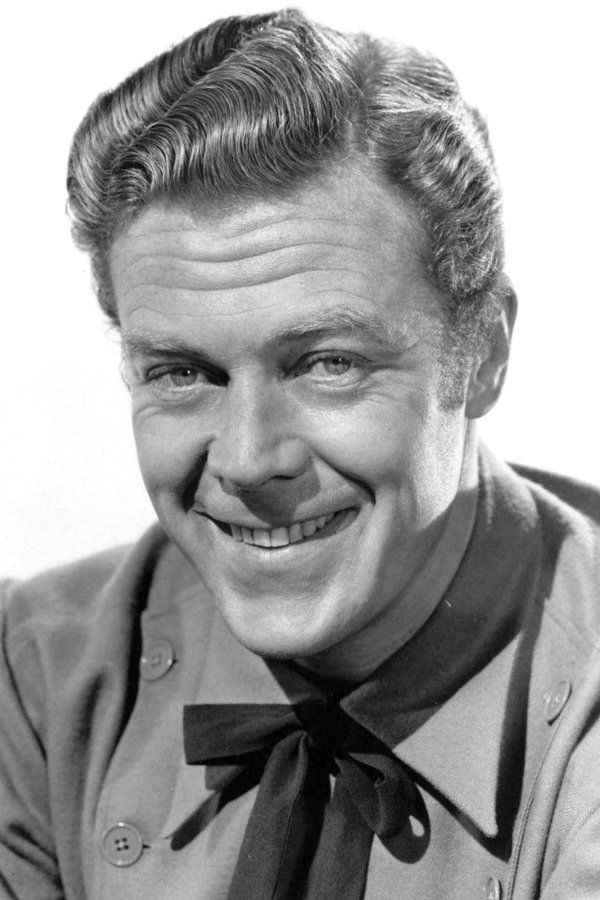
Willard Parker
Henry Benson

Percy Kilbride
Mr. Racknell
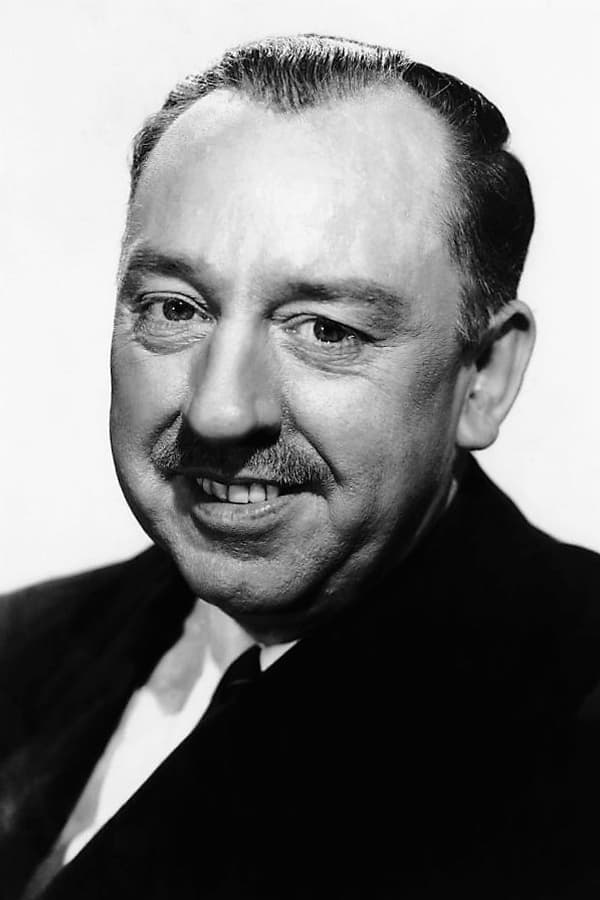
Porter Hall
Mr. Caslon

Marcy McGuire
Georgia Goodrich
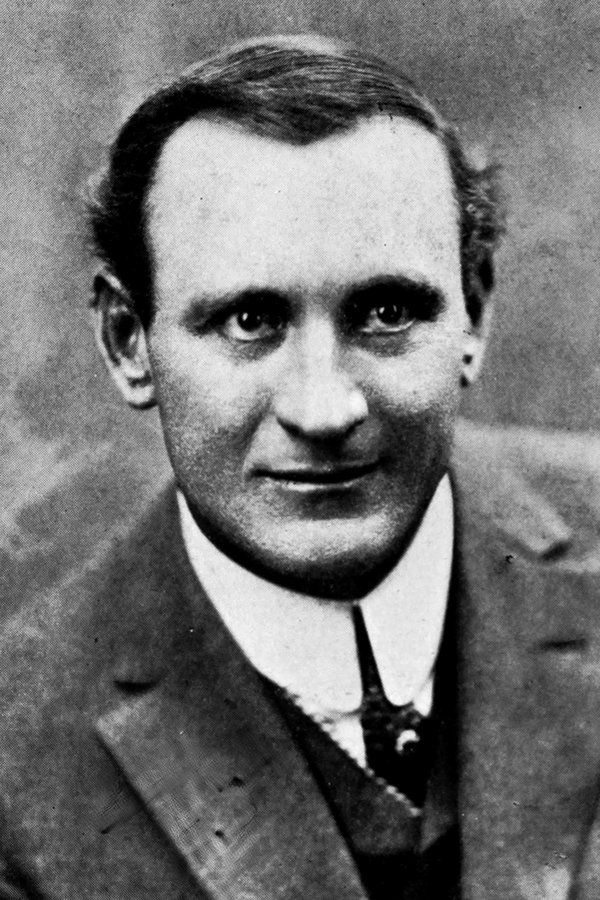
Arthur Walsh
Milton Goodrich

William Bakewell
Dick Hebert

Paul Cavanagh
Dr. Blucher
"His Girl Friday" set the bar for romcoms and gave us a feminist heroine before feminism was cool.
Red, White and Royal Blue still does not have an official release date. However, the cast has been sharing pictures of their filming.
Happy Halloween! If you were debating capping off Spooky Season with a viewing of Hocus Pocus 2, it is just very clear that this is more for the younger audience as opposed to people who grew up with the original.
In addition to the cast being delightfully diverse this time around, the film was just loosely-plotted and action-packed enough to keep a casual fan like myself entertained. While I do agree that the writing of Cole left much to be desired for an original character thrust into a preconceived universe, none of the characters seemed particularly fleshed out in terms of personality; however, I think that's to be expected when you're watching a film literally inspired by a video game.
Like all modern societal phenomenons, it started with a meme. This one highlighted that when there’s a mom in a Pixar film, she is almost without fail given striking curves that highlight the bottom half of her body following a minuscule waist. From Elastigirl to the skeletal Mama Imelda, the animation giant’s artists seem to have a fixation on making exaggeratedly curvy maternal characters.
The live-action remake of the classic Disney film based on a wooden puppet is finally here.