
In 'The Patient,' Patience Doesn't Really Pay Off
'The Patient' is bound by four walls and a mediocre ending that leaves you wanting more.
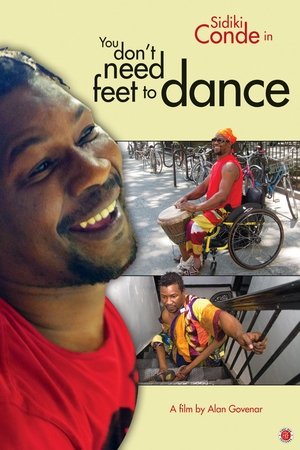


In the film "You Don't Need Feet to Dance," African immigrant Sidiki Conde, having lost the use of his legs to polio at fourteen, balances his career as a performing artist with the almost insurmountable obstacles of life in New York City, from his fifth-floor walk up apartment in the East village, down the stairs with his hands and navigating in his wheelchair through Manhattan onto buses and into the subway. Sidiki struggles to cope with his disability and to earn a decent living, but he still manages to teach workshops for disabled kids, busk on the street, rehearse with his musical group, bicycle with his hands, and prepare for a baby naming ceremony, where he plays djembe drums, sings, and dances on his hands.
'The Patient' is bound by four walls and a mediocre ending that leaves you wanting more.
I believe in homages, but there's a proper way to borrow a creative idea instead of making it appear as if you hit the copy and paste button. Most likely, anyone is better off simply reading the books. Or just put on Scream.
Not every silence is empty. Some are filled with things too heavy for words.
An in-depth discussion about anti-Black discrimination in college and professional football.
The new biopic 'Elvis' highlights the beginning and end of the career of this rock and roll legend. The audience is taken on this journey knowing the tragic ending but not so much about what led him there. A large topic of discussion is the influences on Elvis that made him who he was as a singer, musician, and performer, which were blues, gospel, and country. Many of the songs that rose him to fame were songs by Black artists he heard growing up in primarily Black settings.
Despite its simple premise, “imagine being a woman,” the horror behind "Men" feels fueled by a hollow understanding of the insidiousness of misogyny.