






“The Whiteboard”: A Little to No Dialogue Film With Characters that tell an Endearing LGBTQ Story.
Kat Wahlen’s The Whiteboard tells, or rather shows, a delightful love story between two young women who meet in detention.
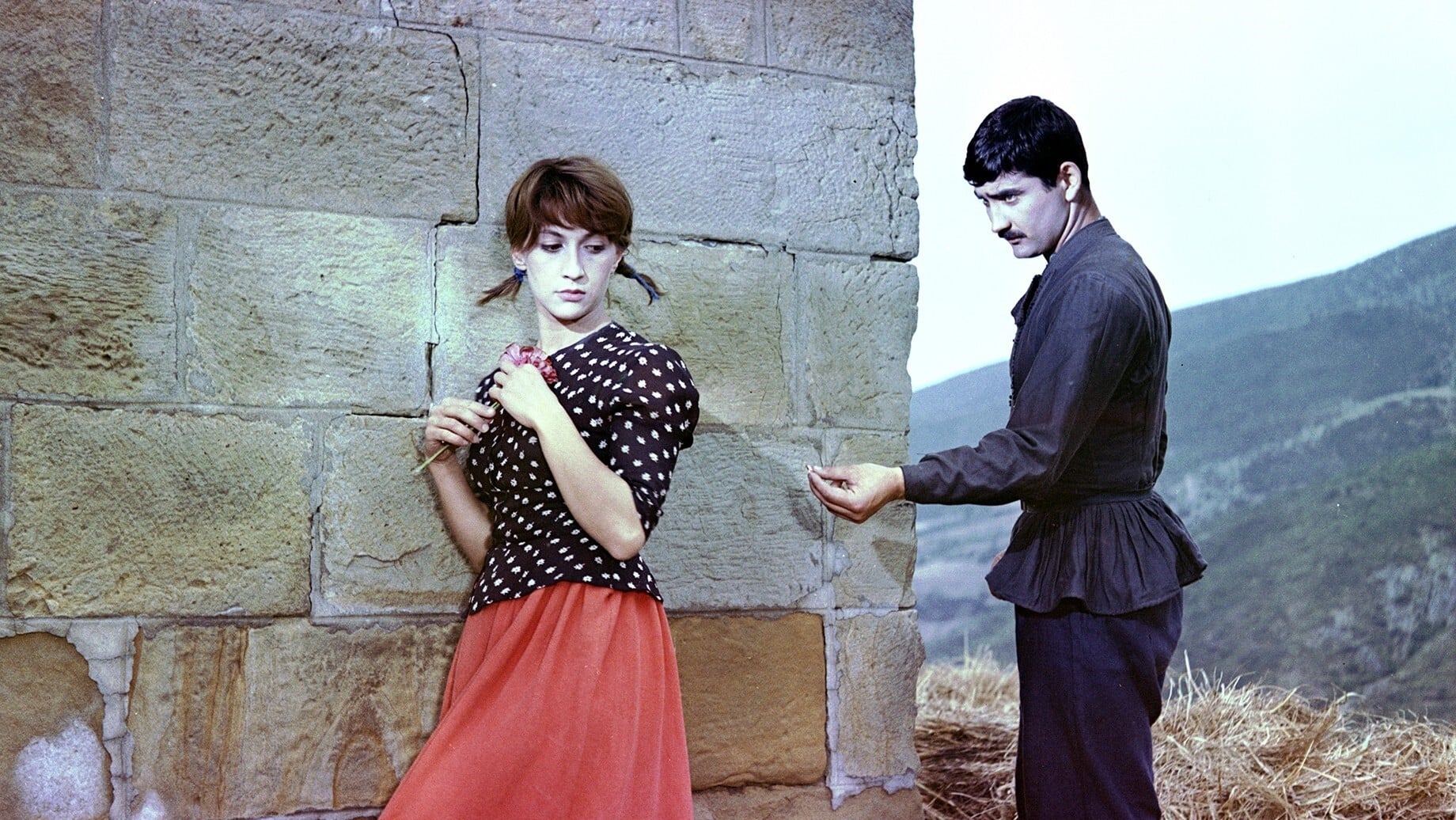



The young craftsman Gogia and the village girl Tasia fall in love with each other. Arriving in Tasia's village accompanied by a wedding procession, Gogia Can't find his bride anymore, Turns out by the order of Tasia's godmother, the duke's wife, she was taken to the duke's house as a servant. The elderly duke liked Tasia and decided to marry her. Gogia with the help of his friends, Karachokheli, tries to get his bride back.
Kat Wahlen’s The Whiteboard tells, or rather shows, a delightful love story between two young women who meet in detention.
The plot could’ve really been interesting if the elements of lycanthropy was integrated with perhaps the struggle of identity of being LGBTQ+. It's an experience for so many that as they’re starting to realizing their true selves, they feel like a monster, especially if they come from unsupportive homes or communities. Instead, the horror and transformation elements seem thrown in without contemplation of how this could deepen the narrative.
The Brazilian filmmaker Alexandre Alonso’s Hunter is a film with a lot of ideas, but with very little holding those ideas together.
Many have interpreted Maya Deren’s Meshes of the Afternoon as a dream sequence, but what if the repetitive scenes we are given are not dreams but, a time loop.
Even after a history changing event, the 93rd Oscars proved it always had the space for more inclusivity in its award ceremony. But it this enough to change the boycott?