Trauma Profiteering in Jordan Peele's 'Nope'
Nope succeeds tremendously in dealing with higher concepts in an engaging and highly entertaining manner without sacrificing theme or personality.
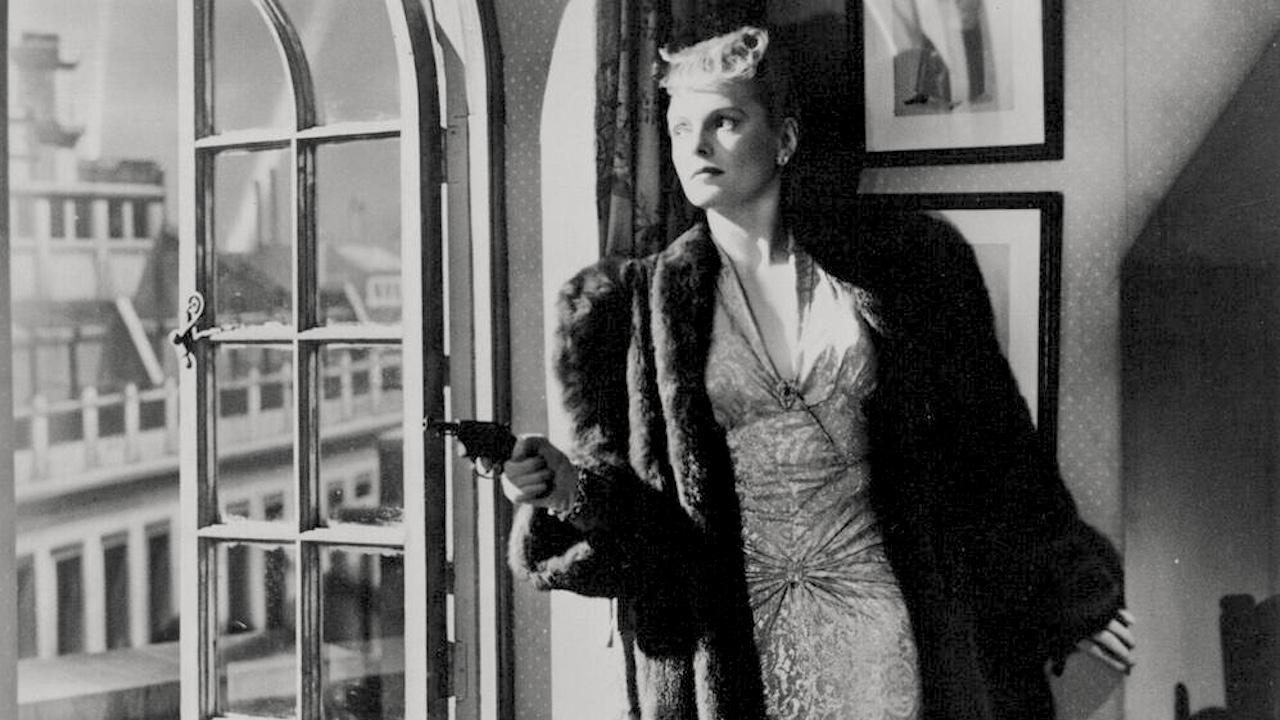
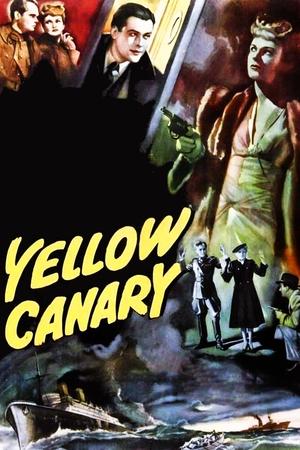


In 1940 Sally Maitland is forced to leave England, ostracised as a Nazi sympathiser by everyone including her well-to-do family. On the ship to Halifax, Canada, she is courted by Polish aristocrat Jan Orloch and by awkward British navel intelligence officer Jimmy Garrick. She shows herself somewhat more amenable to Orloch's advances, and agrees to meet his mother in Halifax. Once there however, it becomes clear no-one is really who they say they are.
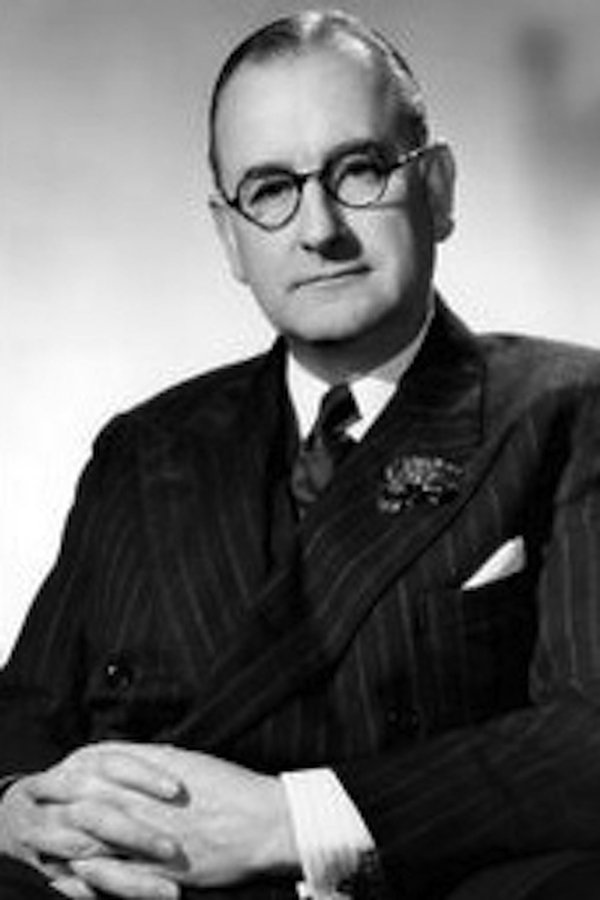
Herbert Wilcox
Director


Anna Neagle
Sally Maitland

Richard Greene
Lieutenant Commander Jim Garrick

Nova Pilbeam
Betty Maitland

Albert Lieven
Jan Orlock
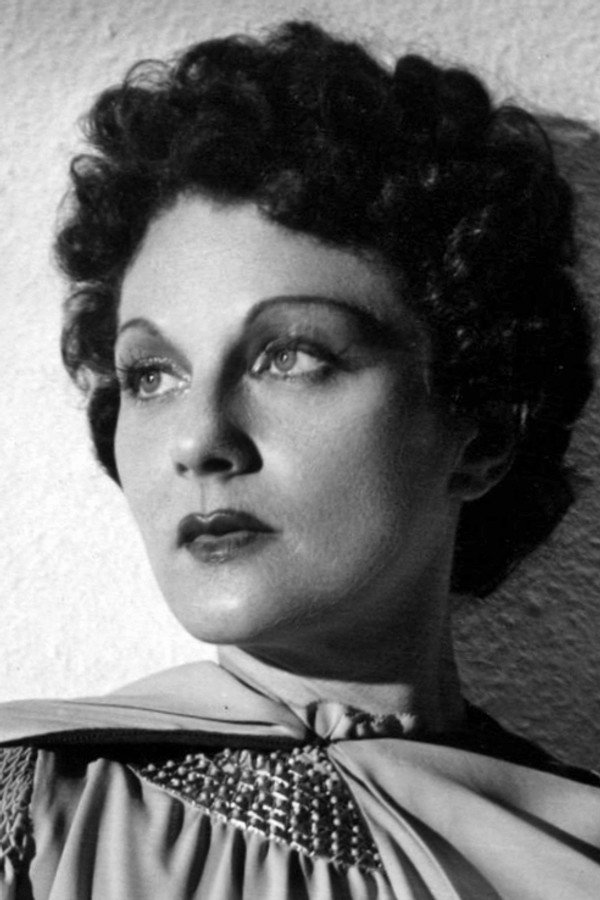
Lucie Mannheim
Madame Orlock
George Thorpe
Colonel Charles Hargraves
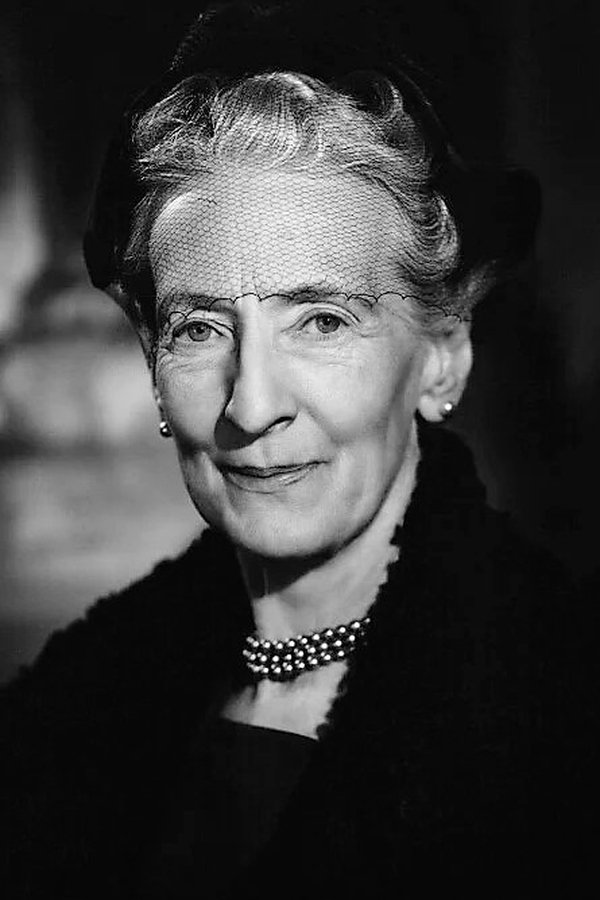
Marjorie Fielding
Lady Maitland

Franklin Dyall
Captain Foster
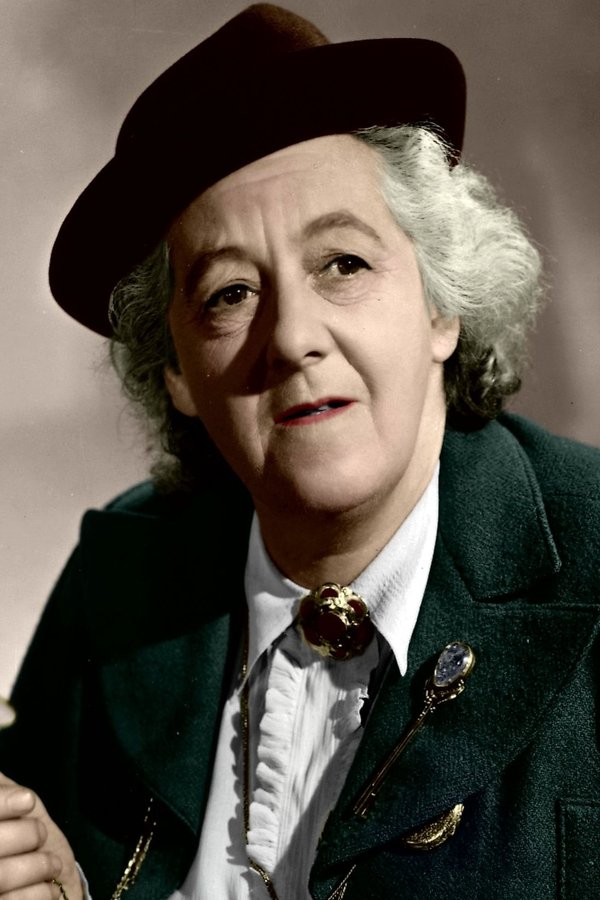
Margaret Rutherford
Mrs. Towcester
Claude Bailey
Major Fothergill

Valentine Dyall
German Commander
Nope succeeds tremendously in dealing with higher concepts in an engaging and highly entertaining manner without sacrificing theme or personality.
Adam McKay might have been more concerned with cramming cameos than he was in this story which is a bloated criticism of the rich and famous… delivered unto us by the rich and famous.
Not every film can make a shopping mall feel both magical and menacing, but Forbidden Fruits challenges that.
Films about casinos have long been a favorite of Hollywood. This is unsurprising, as they're often tied to magnetic characters whose lives revolve around luxury, spectacle, and even danger.
Narnia, Avengers: Doomsday, Jumanji 3 are some compelling ones! Some of the biggest 2026 movies tied to popular franchises, books, video games, comics, and existing series. Marvel and DC, Disney and Pixar.
A historic documentary about the iconic Disney character gives viewers a glimpse into animation.