




Ad Astra: Cinematic Hypnotism
“Ad Astra” is a film that possesses similar beats to sci-fi classics, falling into the realm of cinematic hypnotism, and pulling us in with its mysteriously intoxicating identity.
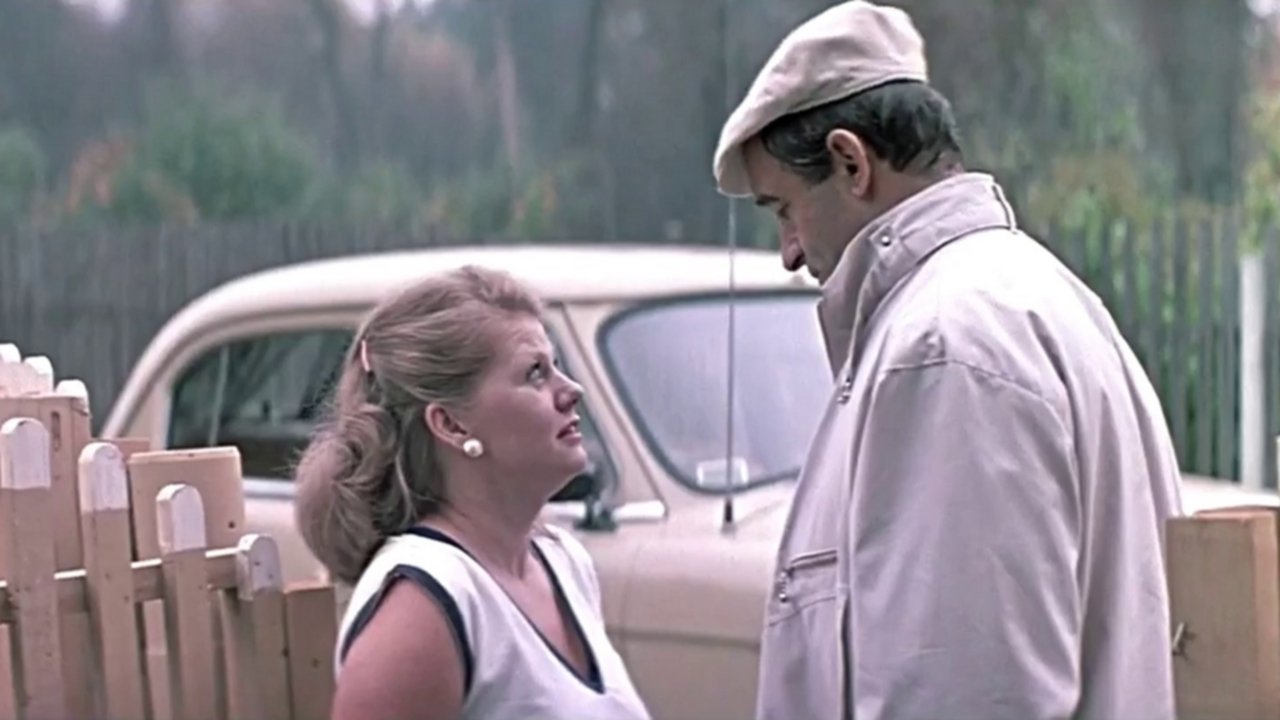



The young energetic Lyudmila Petrovna Nikitina, who worked as a milkmaid on the farm, decided to radically change her life. Settling the head of a rural furniture store, she sold a cow, pigs, sheep, and even invited the sons of a music teacher from the city, violinist Valerian Sergeyevich, to her sons. Her husband Theodosius, a collective farm carpenter, is not able to reason with his wife, but at the same time he does not intend to put up with the new order. To Lyudmila Petrovna’s surprise, the music teacher, who had a taste for village life, also fell under the influence of Theodosius. Once, having seized children, the men fled home. With difficulty, Lyudmila Petrovna was able to restore the broken family peace, and the wife of Valerian Sergeyevich to return his husband home.
“Ad Astra” is a film that possesses similar beats to sci-fi classics, falling into the realm of cinematic hypnotism, and pulling us in with its mysteriously intoxicating identity.
I love The Last Jedi. I don’t think there has been a Star Wars movie in quite some time that brought something new, something fresh to the table.
Another uneven "Guess Who's Coming to Dinner" redux that says nothing novel about its subject matter.
A film that focuses on an algorithm for a dating app that will bring viewers in for a surprise.
Joel Coen has gone solo to create perhaps the greatest version of Shakespeare's 'Macbeth' since Shakespeare himself.
'Alice' is a genre trifecta: one part revenge drama, one part historical account, one part throwback to Blaxploitation—kinda 'Django' meets 'Roots' meets 'Foxy Brown.'