‘A Quiet Place’: One of the Best Modern Horror Movies
Rather than following in the footsteps of poorly made horror flicks, “The Quiet Place” follows original concept.
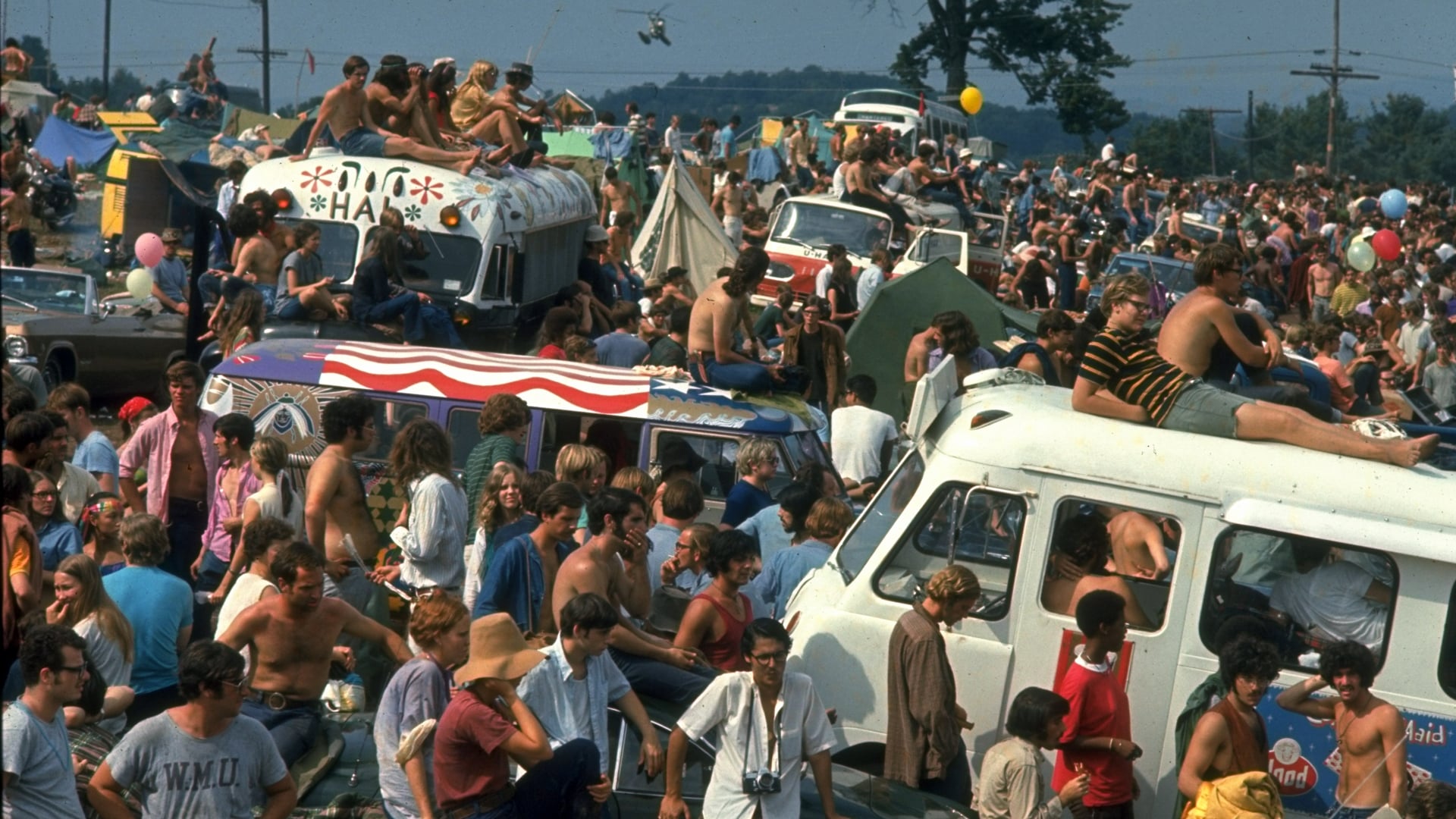


An intimate look at the Woodstock Music & Art Festival held in Bethel, NY in 1969, from preparation through cleanup, with historic access to insiders, blistering concert footage, and portraits of the concertgoers; negative and positive aspects are shown, from drug use by performers to naked fans sliding in the mud, from the collapse of the fences by the unexpected hordes to the surreal arrival of National Guard helicopters with food and medical assistance for the impromptu city of 500,000.
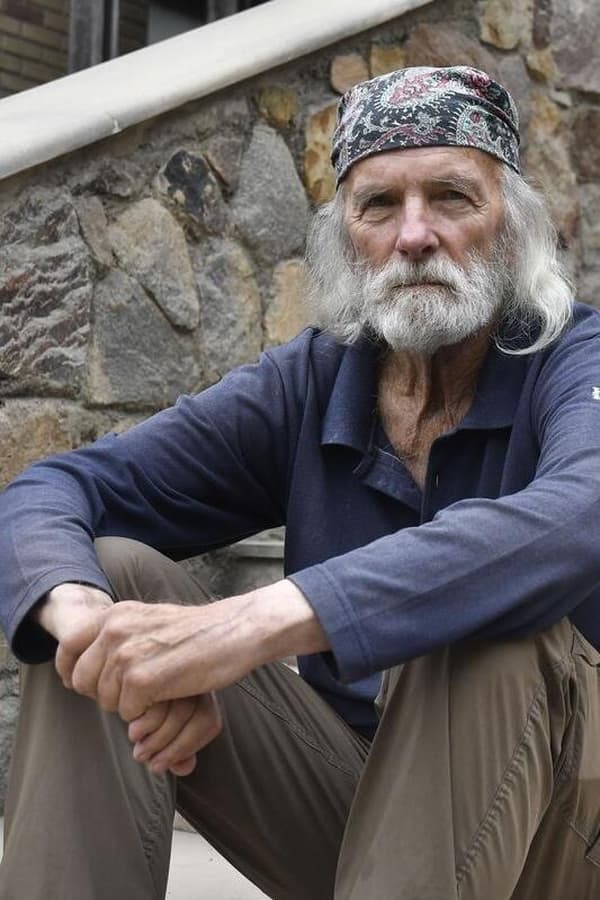
Michael Wadleigh
Director


Richie Havens
Self
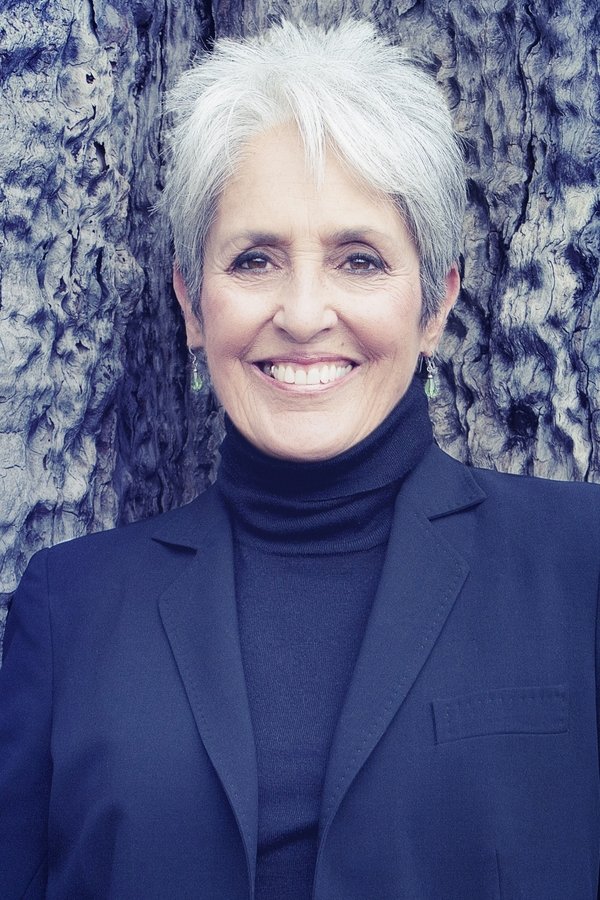
Joan Baez
Self
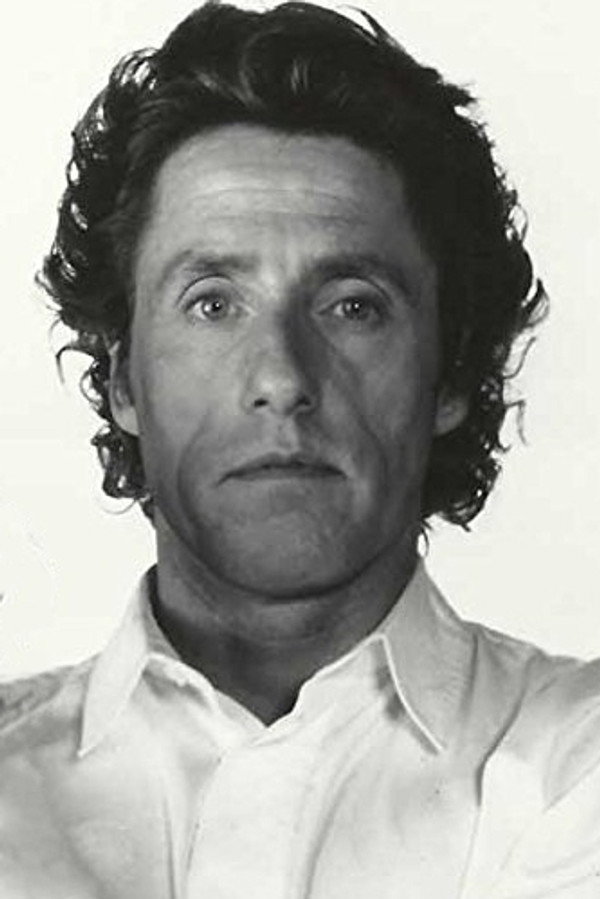
Roger Daltrey
Self - The Who
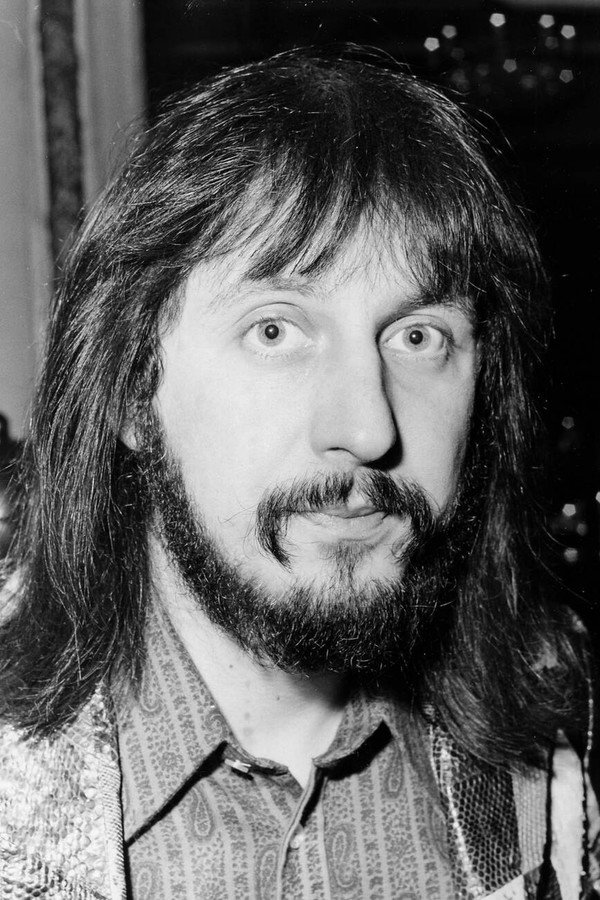
John Entwistle
Self - The Who

Keith Moon
Self - The Who

Pete Townshend
Self - The Who
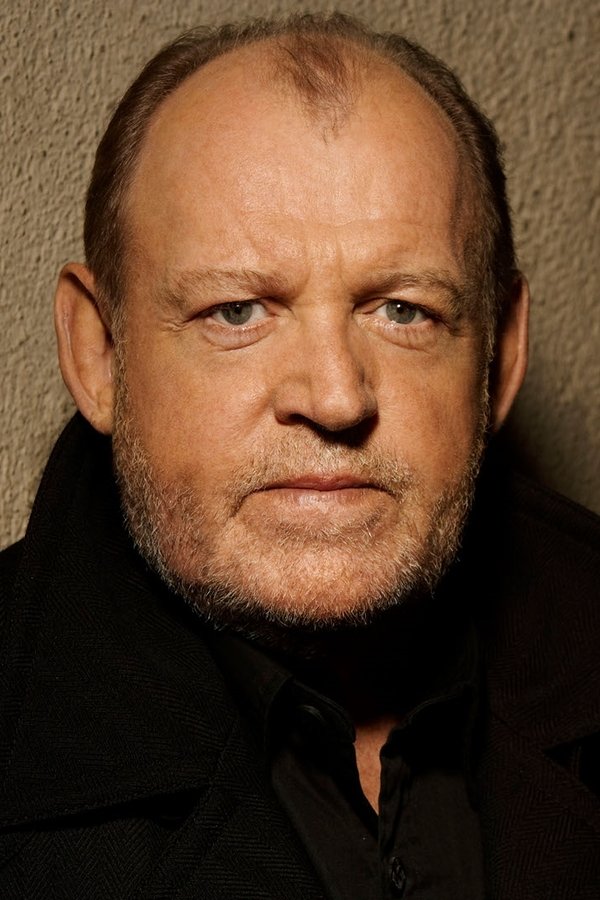
Joe Cocker
Self

Country Joe McDonald
Self - Country Joe and the Fish
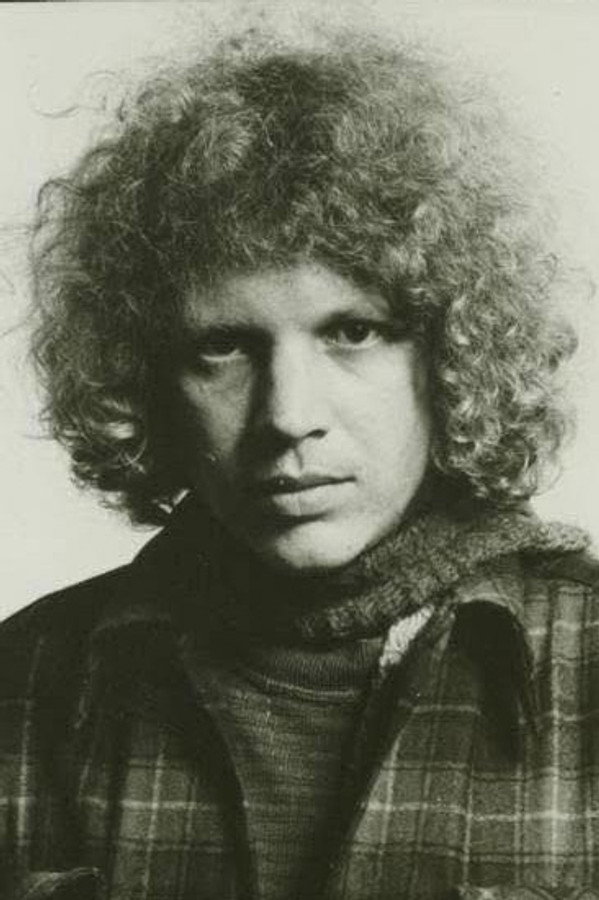
Barry Melton
Self - Country Joe and the Fish
Greg Dewey
Self - Country Joe and the Fish
Mark Kapner
Self - Country Joe and the Fish
Rather than following in the footsteps of poorly made horror flicks, “The Quiet Place” follows original concept.
When it comes the horror genre, I am VERY hard to please or impress, much less scare. Coming from a current mindset of appreciation for chilling, unsettling, tension-inducing efforts such as "Hereditary", "The Conjuring" (ONLY the first one to date, mind you), "Lights Out", "The Babadook", "Midsommar", "Talk To Me", "Oddity", "Bring Her Back", and the like
A surprise sequel takes place ten years after the original movie based on the title of the same name, but with a twist to the fairy tale.
This horror, action, and fantasy movie released on Disney+ has a symbolic aspect.
As this critic continues to look back at some of this Summer's films I have taken in, I would be remiss if I didn't mention one of the most overall unsettling trends in Hollywood over the last several years.....sequels, reboots, and remakes. Look, I am all for seeing more than one film for certain originals that made a splash, ie: "Jurassic Park", "Pirates of the Caribbean", "Transformers", etc.