





The Weirdness that is 'Severance'
Severance is about breaking down facades and confronting old models that were once frameworks of our lives. The somewhat subtle message to me is it’s never too late to fall in love, no matter your insecurities.
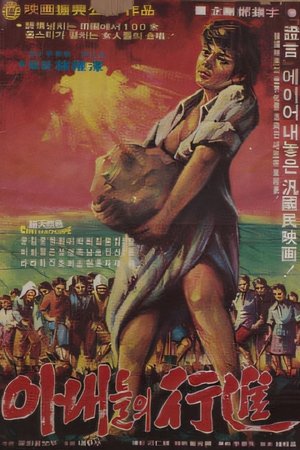


A newlywed wife, Ji-sun moves to her husband's village in a rural area called Sambatgol where it is customary to have glossy charades, incompetence is prolific, and thus poverty is endemic. She starts to endeavor to break down all these vices. Her family and neighbors point accusing fingers at her first, but soon they are influenced by her to combine forces with her. In the meantime, longtime absent father of Gang-du returns to hids wife, who is Ji-sun's strong supporter and the chairperson of the village women's association. Gang-du's father, however, turns out to be an espionage agent sent from North Korea. He makes his mind up to denounce himself by persuasion of his wife, but he and his wife get killed by other espionage agents. At the funeral of these two, Ji-sun and the village people march in resolution of succeeding her will to make more endeavors in the developmental plan of the village.
Severance is about breaking down facades and confronting old models that were once frameworks of our lives. The somewhat subtle message to me is it’s never too late to fall in love, no matter your insecurities.
This film is based off of The Diary of a Young Girl, which was written during the Holocaust period.
Its predictability shouldn’t distract from the enjoyment that the pure cinematic imagination behind the camera elicits. It is a movie of crises both moral and mortal, oozing with CGI, and thoroughly enjoyable.
Not a lot of people realize that being introverted is not always a permanent state of mind. Being considered an introvert by others is a complicated thing; not everyone likes being labelled “shy.”
The makings of a great midseason filler episode that would connect in many different directions. This is a police drama filler with a guest director.