Gus Van Sant's Constant Thematic and Cinematic Elements
The differences in these films could not be more blatant, and yet Gus Van Sant has found a way to portray the same messages and use the same techniques in each.
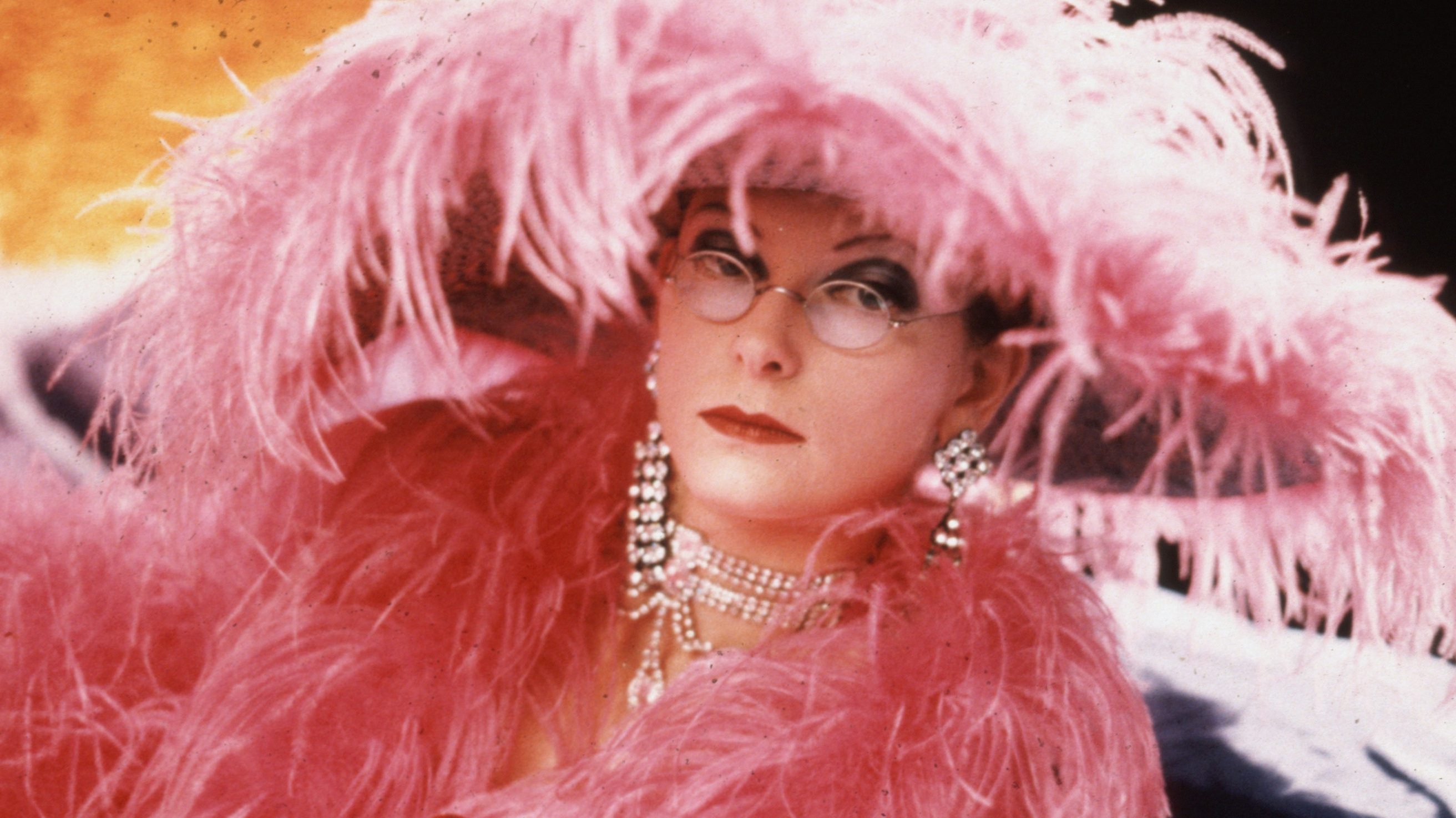
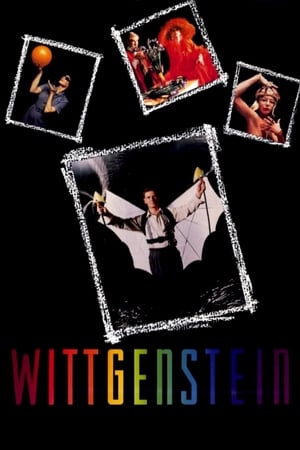


A dramatization, in modern theatrical style, of the life and thought of the Viennese-born, Cambridge-educated philosopher Ludwig Wittgenstein, whose principal interest was the nature and limits of language. A series of sketches depict the unfolding of his life from boyhood, through the era of the first World War, to his eventual Cambridge professorship and association with Bertrand Russell and John Maynard Keynes. The emphasis in these sketches is on the exposition of the ideas of Wittgenstein, a homosexual, and an intuitive, moody, proud, and perfectionistic thinker generally regarded as a genius.
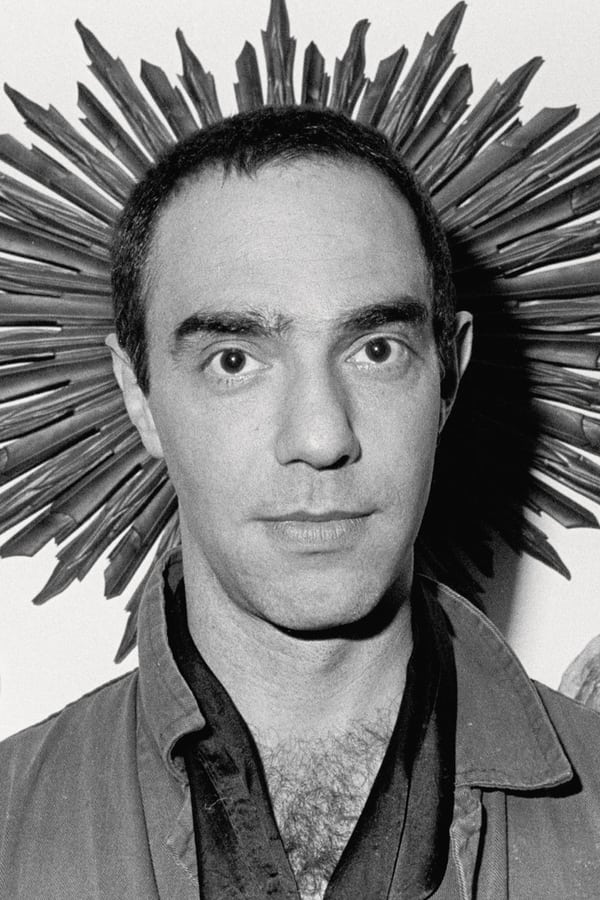
Derek Jarman
Director

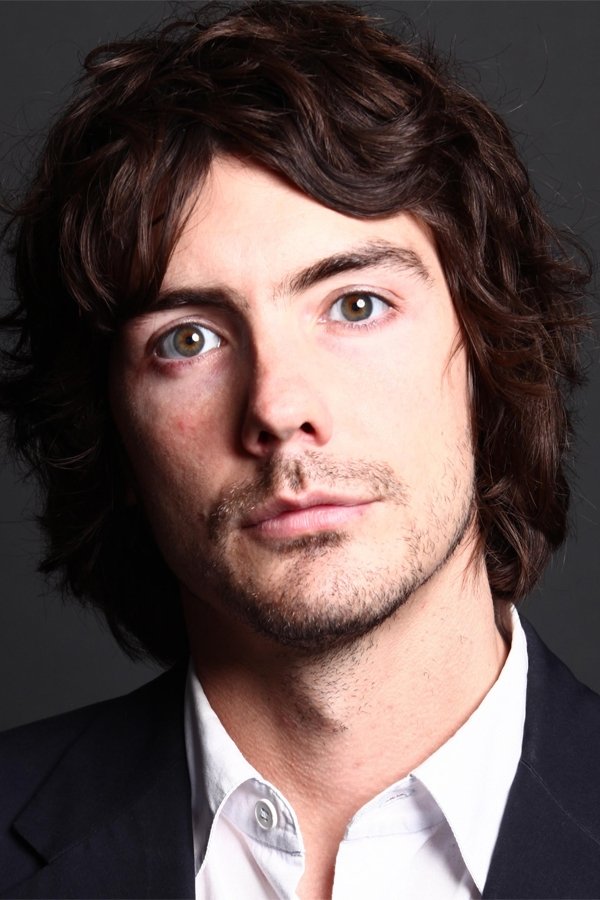
Clancy Chassay
Young Wittgenstein
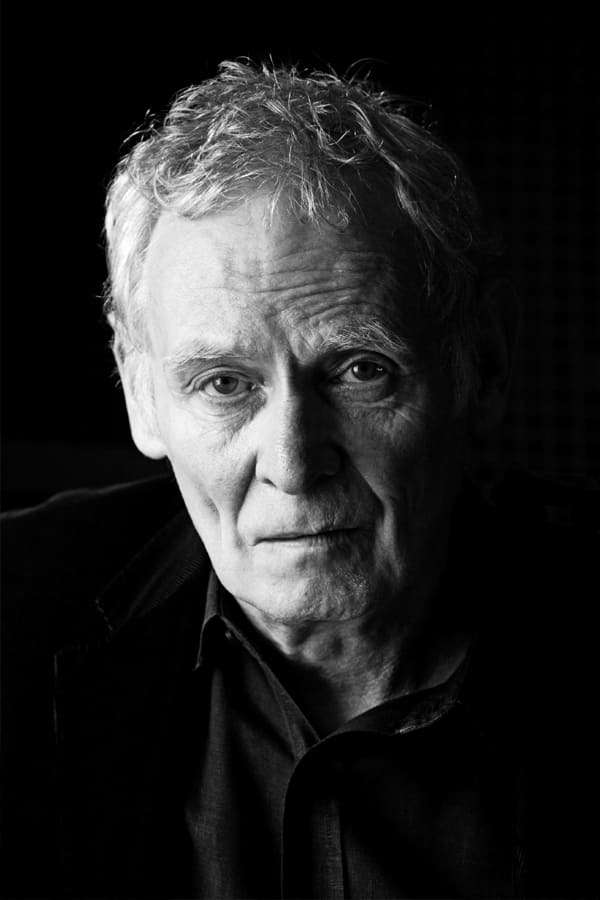
Karl Johnson
Ludwig Wittgenstein
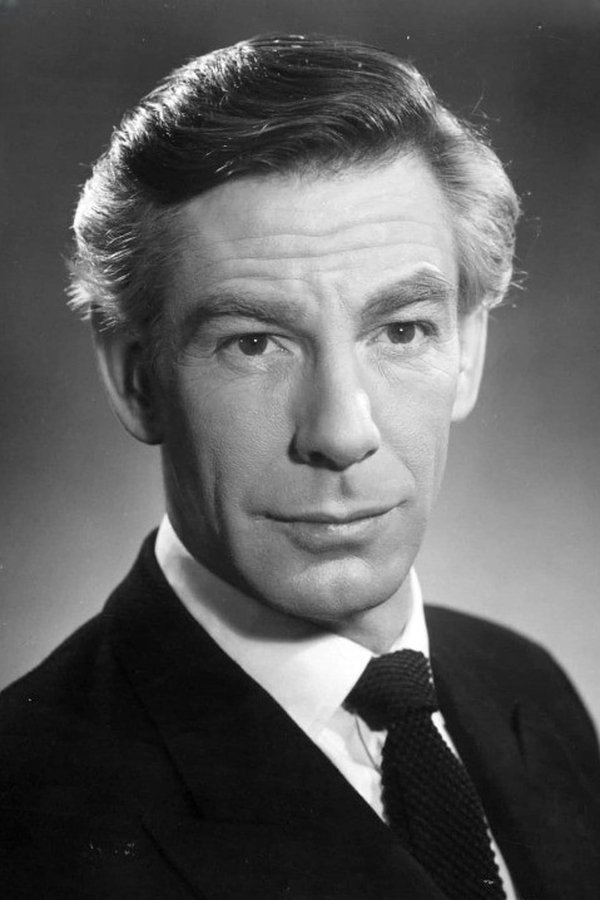
Michael Gough
Betrand Russell
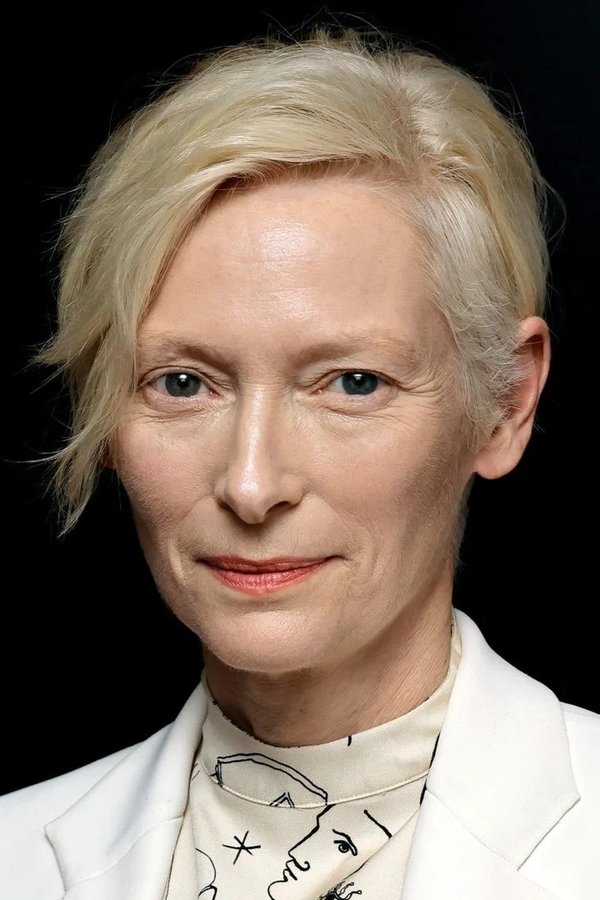
Tilda Swinton
Lady Ottoline Morrell
Kevin Collins
Johnny

Nabil Shaban
Martian
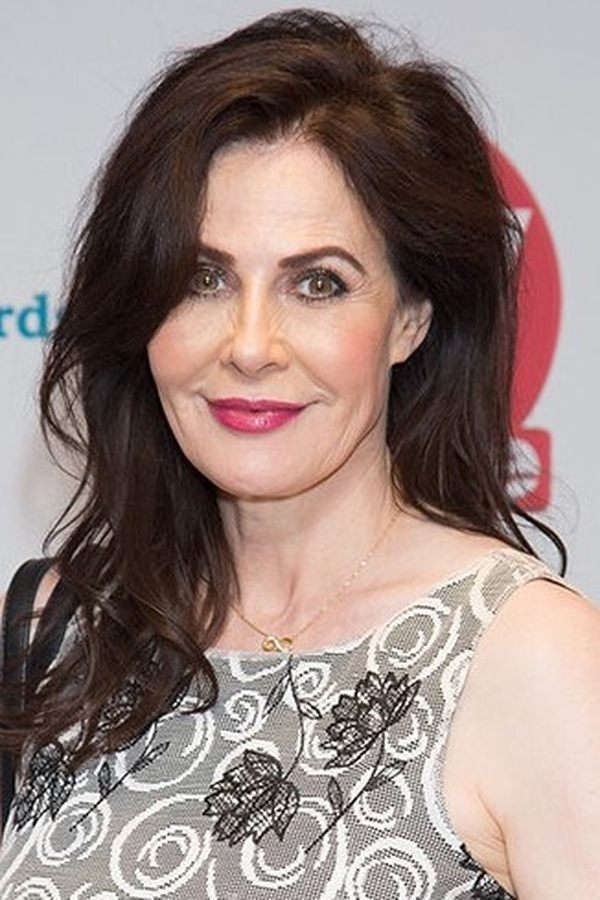
Sally Dexter
Hermine Wittgenstein

Lynn Seymour
Lydia Lopokova
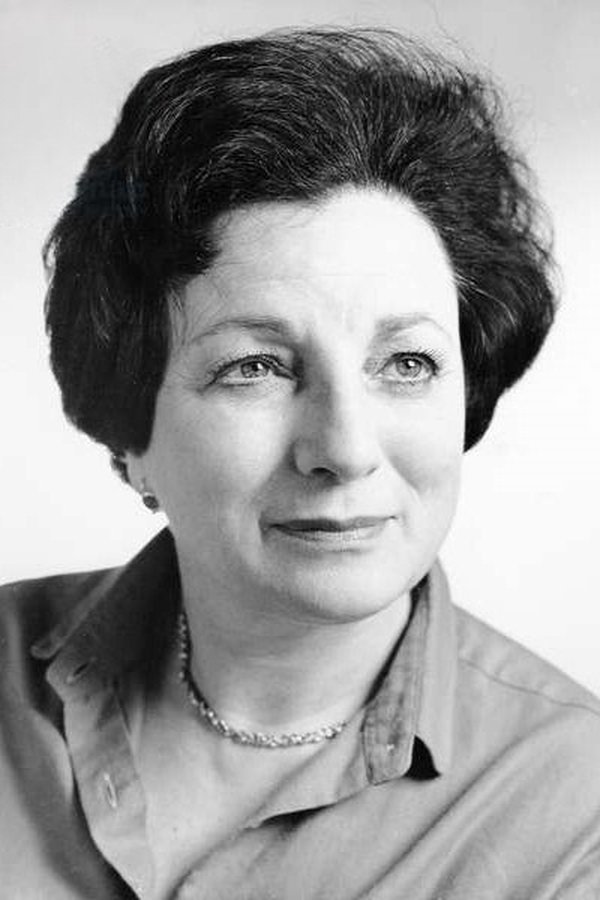
Jill Balcon
Leopoldine Wittgenstein
Gina Marsh
Gretyl Wittgenstein
Vanya Del Borgo
Helene Wittgenstein
The differences in these films could not be more blatant, and yet Gus Van Sant has found a way to portray the same messages and use the same techniques in each.
This comedy brings a big surprise to Josh and his family when they move to New York City and struggle to adapt to their new friend.
Shudder’s Host (not a particularly original title, I must say) attempts to bring the spooks to “the quarantine generation” by presenting us with a scary Zoom call during lockdown.
This romance movie has strong representation of Taiwanese people.