Twin Peaks: Why LGBTQ Ally Depiction is Crucial
Portraying how easy it is to be an ally heavily benefits the majority audience. The more we encourage it, normalize it, and give people the tools to become one, the sooner we can co-exist peacefully.




Jane, a housewife, is confronted during her daily chores by Dennis, her married lover with whom she has had a long affair. Dennis tells Jane that he has to break off their relationship. She threatens suicide, but when she picks up a shish kabob skewer, the two struggle and Dennis is stabbed in the chest and collapses. Jane hides the body in the house. Before she can leave, her brother-in-law arrives and tells her that he knows about the affair and that he has invited her husband, her lover, and his wife to her house that evening so that he can tell them about the affair.

Irving Pichel
Director

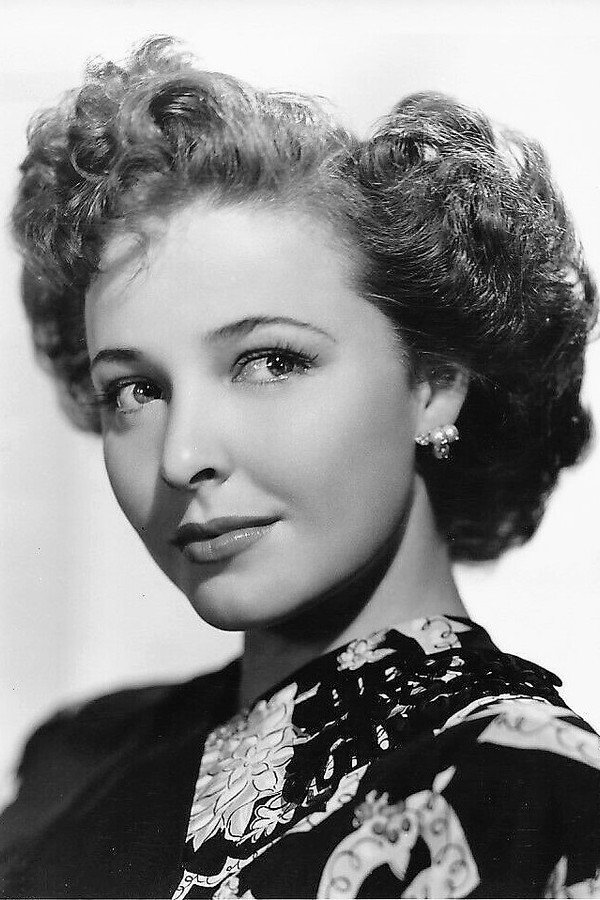
Laraine Day
Jane Bandle

Dane Clark
Bill Bandle

Franchot Tone
Dennis Williams
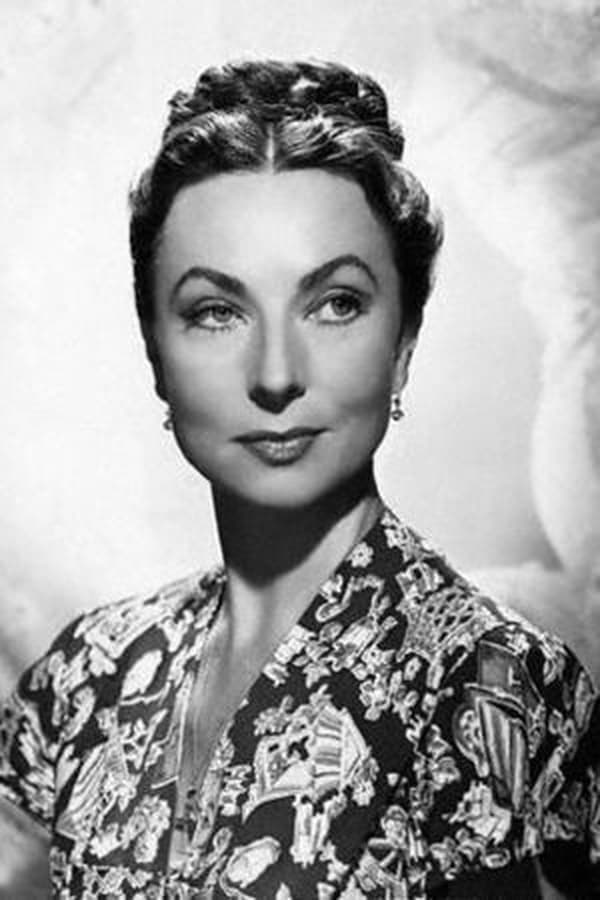
Agnes Moorehead
Katherine Williams
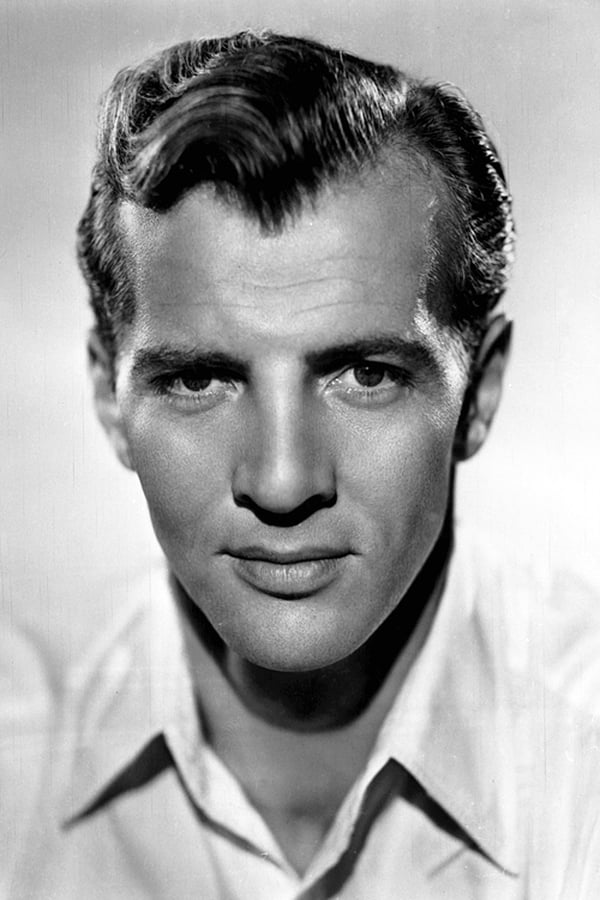
Bruce Bennett
Fred Bandle

Frank Marlowe
1st Television Installer
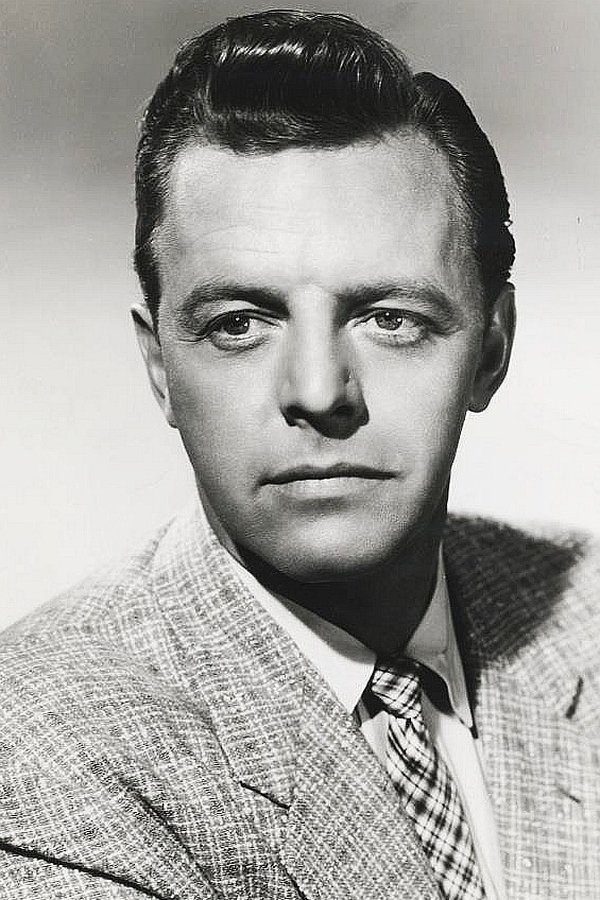
Harry Lauter
Ambulance Attendant
Peter Virgo
Ambulance Attendant

Marjorie Stapp
Neighbor's Wife (as Margie Stapp)

Lester Dorr
Neighbor
Joan Dupuis
Girl Scout
Portraying how easy it is to be an ally heavily benefits the majority audience. The more we encourage it, normalize it, and give people the tools to become one, the sooner we can co-exist peacefully.
'Motherless Brooklyn' is a 1950s whodunit made by its star, Edward Norton. Like most detective films in this setting, the cast is mostly white males (with a few notable exceptions).
"There is something going on between us that I cannot unravel."
Adam McKay might have been more concerned with cramming cameos than he was in this story which is a bloated criticism of the rich and famous… delivered unto us by the rich and famous.
The film's storylines read as allegories for the queer experience and that's a source of solace for LGBTQIA+ fans!
(Disclaimer: Harmful Language) In celebration of Pride Month, Father's Day, and father figures (and whoever supports you), I revisit Moonlight's brief but spectacular character, Juan. With overarching themes tied to masculinity, I reexamine his intimacy with Little.