

Poverty In Black And White
Poor Black characters are usually surrounded by crime and violence, while poor White characters are portrayed as noble and hard-working.
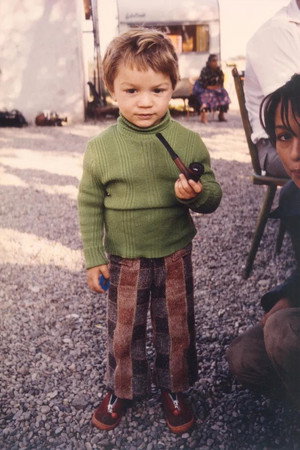


The nine-year-old Sinti girl Brigitta shows us her world. She lives with her family in a caravan site on the outskirts of a small Bavarian town. Everybody still speaks Romani and continues to live by the customs handed down. That means that the children take part in adult life and that the very highly respected parents describe how it used to be. In this community, all age groups live together naturally. For these Sinti, `gypsy' is an insult. At school they are taught there are two cultures, two languages and two realities: that of the Sinti and that of the Germans. While German is spoken at school, the only pupils are Sinti children. Brigitta animatedly describes the material deprivations, which are mollified by the life as `one big family'. Brigitta knows all too well where she belongs.
Poor Black characters are usually surrounded by crime and violence, while poor White characters are portrayed as noble and hard-working.
Viewers get a glimpse of life of mediocrity in a world where humans and cartoon characters live together in this comeback.
A trouble-making teenager spends the summer working at a Southern California beach learning about responsibility.
Summit Station, the longest running lesbian bar in Ohio, was one of the places that made lesbian community possible.
This young adult movie focuses on relationships in this high school reunion.
Although Christmas is a time of year for love and cheer for all, holiday cinema has not always represented diverse communities. Being a holiday with Christian origins, much of its media consists of straight white families or straight white romances. Luckily, modern years have been bringing with them plenty of POC and LGBTQ+ representation that the holidays so desperately need.