

Top Gun: Maverick is the Perfect Adrenaline-Fueled Sequel to the Original
If Top Gun needed to say it, Top Gun: Maverick makes you feel the need... the need for speed.
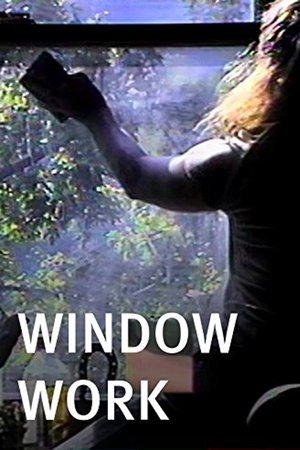


A woman drinks tea, washes a window, reads the paper: simple tasks that somehow suggest a kind of quiet mystery within and beyond the image. Sometimes one hears the rhythmic, pulsing symphony of crickets in a Baltimore summer night. Other times jangling toys dissolve into the roar of a jet overhead, or children tremble at the sound of thunder. These disparate sounds dislocate the space temporally and physically from the restrictions of reality. The small home-movie boxes within the larger screen are gestural forms of memory, clues to childhood, mnemonic devices that expand on the sense of immediacy in her “drama.” These miniature image-objects represent snippets of an even earlier media technology: film. In contrast to the real time video image, they feel fleeting, ephemeral, imprecise.
If Top Gun needed to say it, Top Gun: Maverick makes you feel the need... the need for speed.
Darren Arronofsky focuses on diverse and heartbreaking stories about the human experience.
Considering the runtime, I expected each scene to hit harder as opposed to a series of montages and vignettes.
"Rodgers' & Hammerstein's Cinderella" wasn’t just a fairytale, it's a Black girl's fairytale. It was a fantasy world where the undeniable beauty of Black girls and Women was celebrated and beloved.
The director's latest is a dreamlike exploration of a consciousness torn between two homelands, and the implications of history and memory suspended in limbo.