



What Does a Sympathetic Portrayal of Sexual Assault on Screen Look Like?
As Sexual Assault Awareness Month comes to an end, I’d like to urge viewers and filmmakers to take a long and hard look at how rape is portrayed on screen.
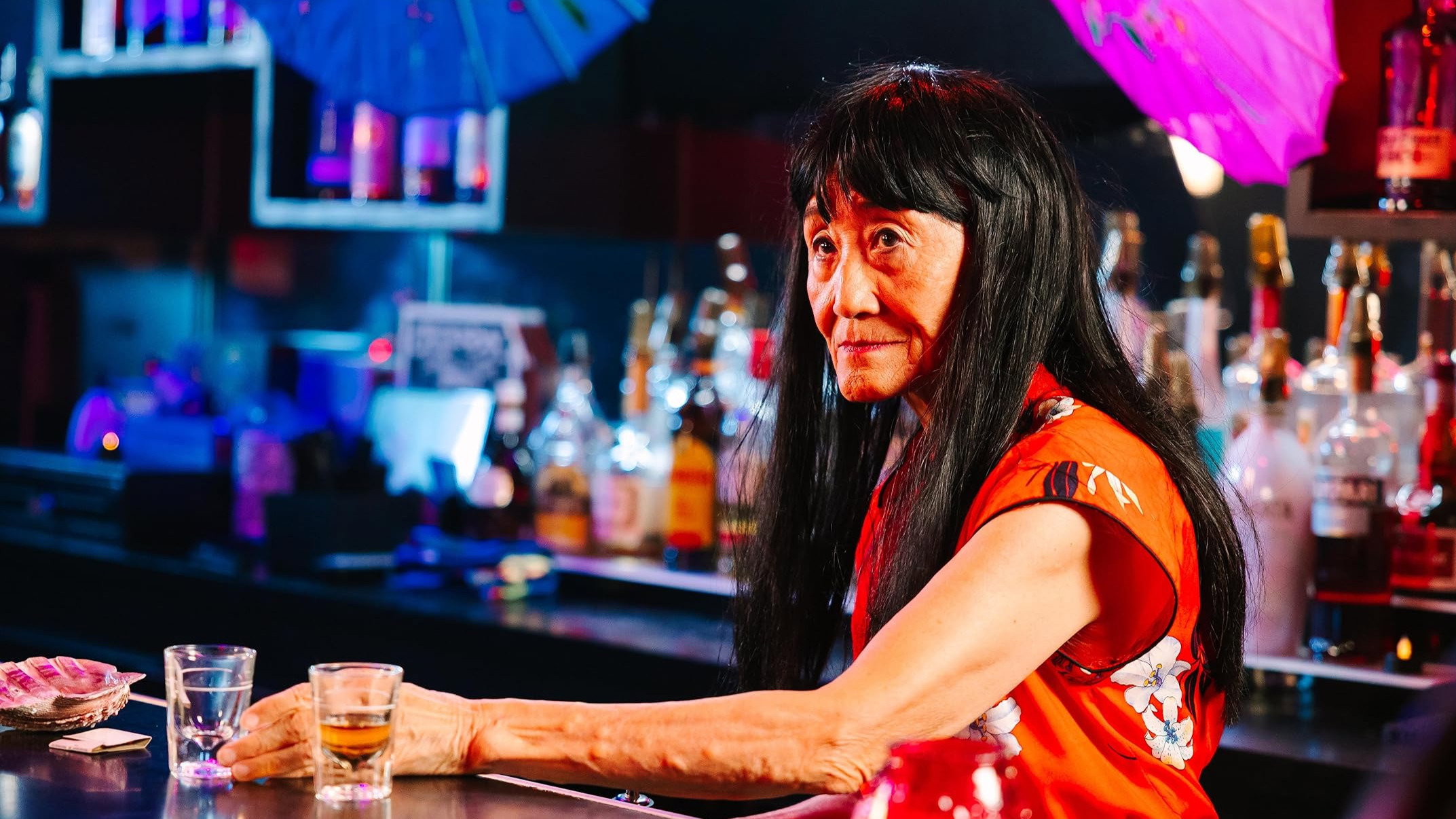



When a beloved desert cantina is threatened with closure, a washed-up burlesque dancer rallies an outrageous crew of misfits, church ladies, hustlers, and dreamers for one last talent show to save their town. As chaos turns to community, a feuding mother and daughter must decide whether to hold on or finally let go.
As Sexual Assault Awareness Month comes to an end, I’d like to urge viewers and filmmakers to take a long and hard look at how rape is portrayed on screen.
Facing the world with our fair share of uncertainties and/or apprehensions, many of which, sadly, may be well-founded, is nothing to sneeze at. Influenced and buffeted by the constant barrage of social media, fake news, and general upheaval present in our contemporary reality, what IS real and what's not becomes a blur.
The Flounders are back in this sequel that takes place one year after the events of 'Malibu Rescue'.
Ever heard of the bad boy type? The type of man who's sexy yet broody, or the type of man who’s dangerous but has a sensitive side? It’s a well-known stereotype that women are attracted to villains. The question is: why are we?
Netflix's new thriller Apex, starring Charlize Theron, puts a twist on survival horror. Despite its setting in the beautiful- yet-dangerous Australian wilderness, Apex is not a movie about man vs. nature. Instead, it’s woman vs. man. While checking out the title card and its unpretentious Netflix release might lead viewers to believe Apex is just another celebrity project churned out of the streaming machine, Apex - whether by luck or by intention - is a consistently harrowing film about the reality of being a woman in a public space.
Explore the tension between director intention and viewer interpretation in this review of the excellent sci-fi horror of 'No One Will Save You.'