



'Show Dogs' Are On the Case
A K-9 police dog goes undercover to stop an illegal animal smuggling ring and learns a valuable lesson along the way.
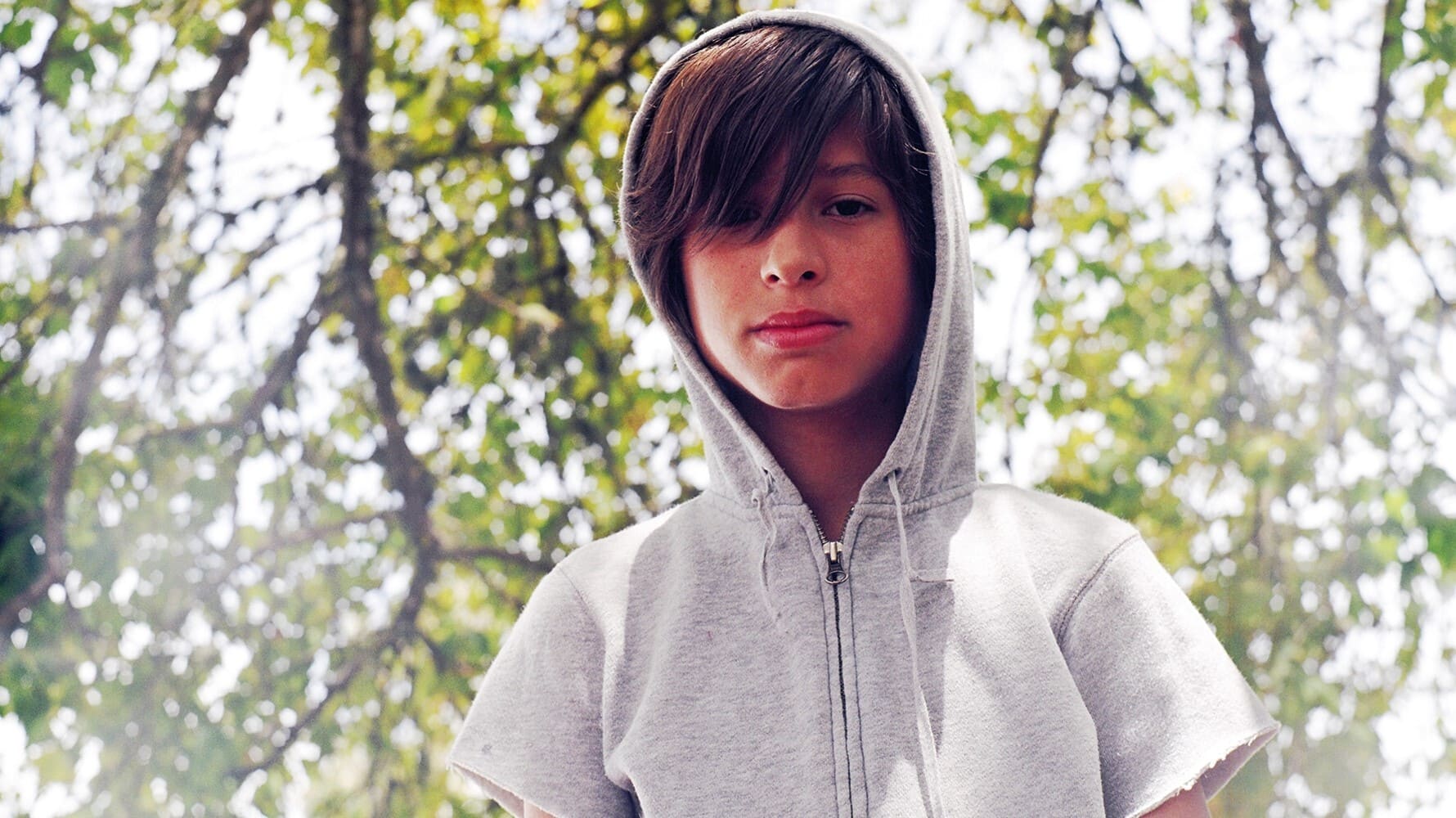



A lyrical telling of the coming of age of a 14-year-old boy who learns to cope with his new found sexuality and his unrequited love for the cool kid in school.
A K-9 police dog goes undercover to stop an illegal animal smuggling ring and learns a valuable lesson along the way.
World-famous drag queen Trixie Mattel shares a year of her life with the world in this vulnerable and uplifting documentary.
In Saudi Arabia, a little girl (Wadjda) is told she can't have a bike because she's a girl. Wadjda struggles to obtain a bicycle to race her friend, Abdullah, due to the gender inequality and cultural norms of Saudi Arabia.
The French-born director Laure de Clermont-Tonnerre’s strategic choice to entrust the interpretation of a conventional, feminine character to a non-binary actor pays off: Corrin’s Lady Chatterley is awkward, edgy, and uninhibited at the same time.
What are we willing to walk through to see our dreams come to pass? Our minds might be so wholly alive with the passions we carry and the plans we make to see these things become all we wish them to be, yet life doesn’t always want to come alongside. Instead, obstacles arise, both physical and mental, which attempt to dissuade us or even prevent us from moving forward, stalling or stagnating the momentum to achieve what we desire. The age-old question remains….can we overcome? Or will we BE overcome?
The film's Incluvie rating is off the charts. It features Black, Muslim, queer, trans humans whose moms hold them up, fight for them, and love them for who they are...making anything possible.