
'Causeway' Explores Toxic Masculinity Through Its Protagonists
The message to take away from 'Causeway' is that toxic masculinity can manifest in anyone, no matter what their gender identity is.
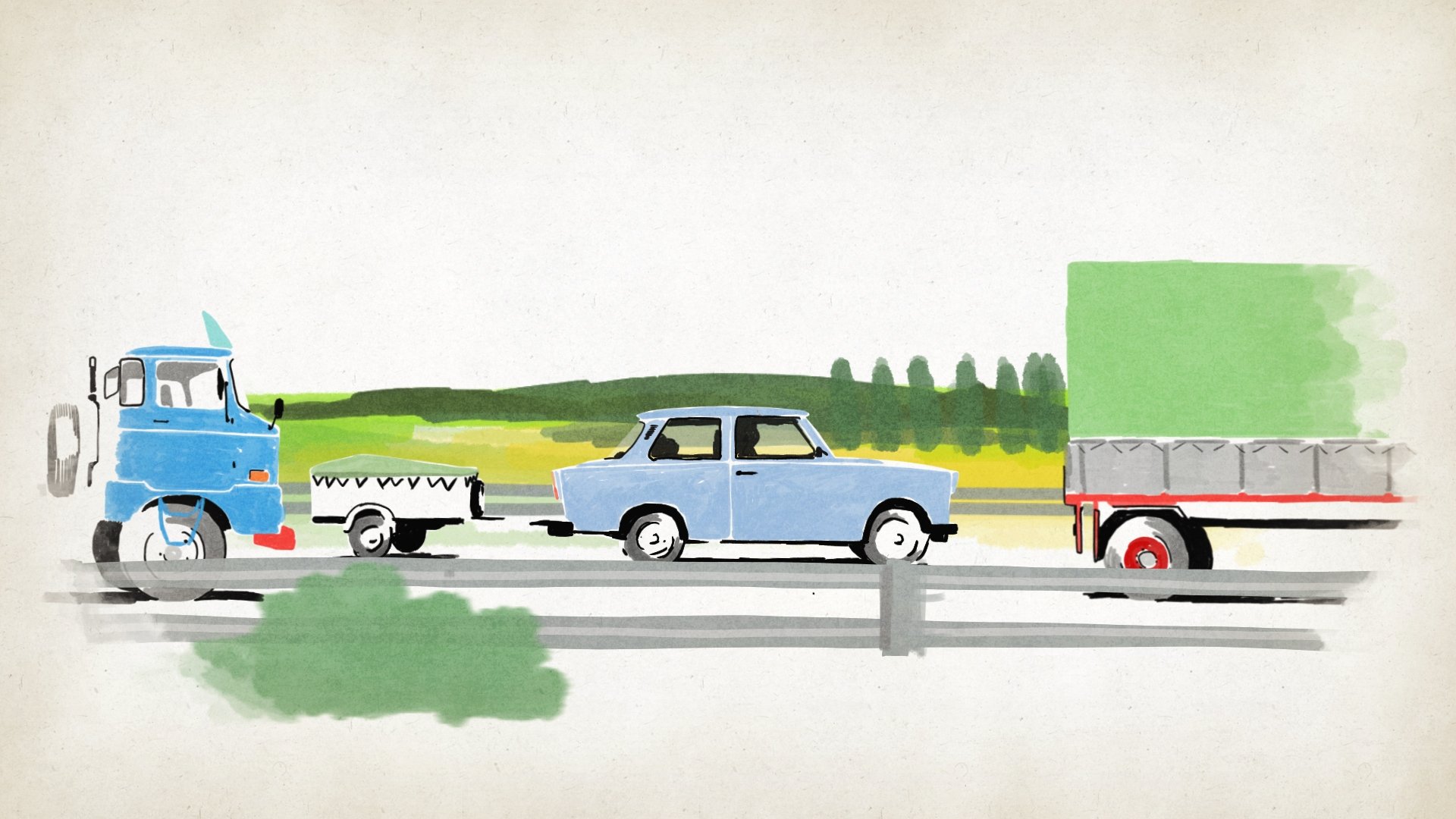



It's the summer of 1987, and the young Schuster family from the Leipzig district is heading on vacation. With their Trabant and trailer, they set off for a small private accommodation near the border of what was then West Germany. This autobiographical animated documentary follows the family on their journey, providing a glimpse into the curious details of a typical GDR vacation so close to the western border. Between the Volkspolizei, border patrols, shortages, and idyllic beach scenes in East Germany's vacation paradise, this animated docufilm swings back and forth. Personal memories and carefully documented facts merge into a travel diary brought to life through animation.
The message to take away from 'Causeway' is that toxic masculinity can manifest in anyone, no matter what their gender identity is.
Treated like a granter of wishes for those earning out of retelling the same tragedy, Marilyn looks like she's caged in different stages of trauma for us to stare at, instead of someone we’ve finally allowed to rest in peace.
Another story focuses on the bond between a young man and a shelter dog in this Netflix drama film.
The relationship between the characters is what makes this film stand out, and it’s just all-around fun.
I have been a long-time fan of the Marvel Cinematic Universe ever since it made its official debut through 2008's absolutely excellent "Iron Man". The run continued, as did my associated fandom of the films, through the utterly EPIC 2019 finale "Avengers: Endgame".
Films can alleviate alienation by presenting realities where the viewers feelings are shared by onscreen characters. 'The Little Mermaid" film can be interpreted as a transgender story.