

Once Upon a Time in (White) Hollywood
Tarantino's alternative history of the 1960's uncritically repeats the era's sexist and racist stereotypes.
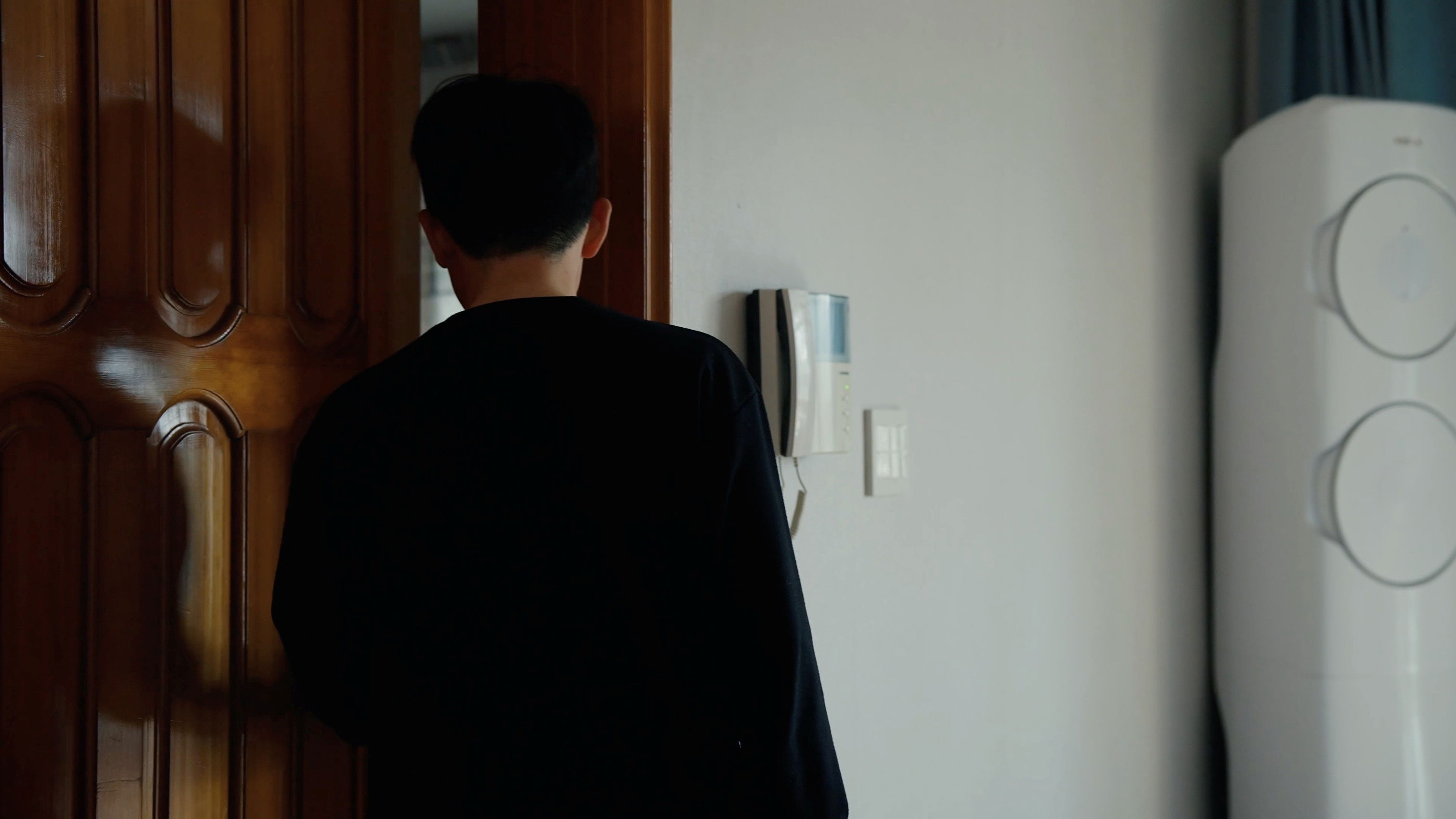



Yoon is preparing for a new life as he plans to leave Jeju Island. However, when his father doesn't return home, his daily life starts to unravel. As time passes, there is no trace of his father. Eventually, Yoon sets out to find him, and through meetings with his father's acquaintances, he gradually discovers sides of his father that he never knew.
Tarantino's alternative history of the 1960's uncritically repeats the era's sexist and racist stereotypes.
“Candyman ain't a 'he.’ Candyman is the whole damn hive." Candyman represents all Black victims of white supremacy, and this art form narratively conveys it in a succinct, adulatory way, the history of which is rare to find.
Growing up without a dad, I got a lot of my fatherly advice from the prototypes I saw on the silver screen. It’s these characters and films that gave me a glimpse into a dynamic I had never known but also made me realize that I was missing out. Here are my top 10 paternal films.
From the cinematography to the script to the acting, Sorry, Baby is undoubtedly one of the best films of the year.
When Eddie Palmer is released from prison he returns home and he meets Sam, soon becoming his primary caregiver.
Cord Jefferson's hilarious and thought-provoking film continues a long-standing cinematic tradition, expanding the conversation around the impact of systemic racism in today's media.