“Omaha”: Innocence Broken by Economic Injustice
Omaha reminds us of what it can feel like to look at old family photographs. You sit with the bittersweetness, allowing it to wash over you; not drowning in it, but certainly affected by it.




A priceless tablet of Gilgamesh, the oldest and most important work of literature is stolen from a museum. A security guard vows to do whatever it takes to get it back from a group of smugglers. Along the way, he faces his own inner demons.
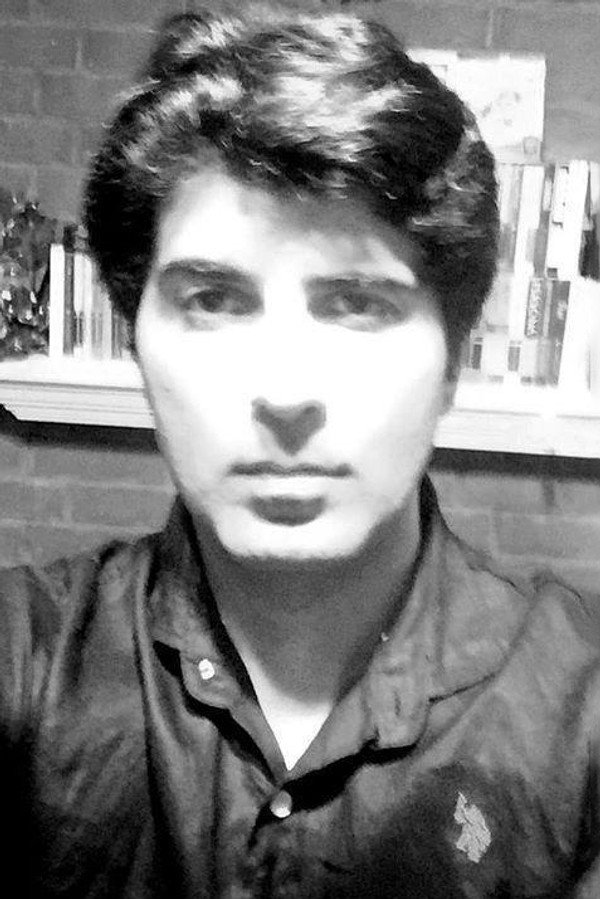
Karzan Kardozi
Director

Barzan Yunis
Govan (Gilgamesh)
Ragash Kizhan
Avin (Inanna / Ishtar)
Goran Dilshad
Akam (Enkidu)
Yasin Omer
Haji Hazo (Humbaba)
Taha Mohammad
Avin's Father (Enlil)

Shadman Aziz Sahaf
Pickup Driver (Utnapishtim)
Azar Salar
Haji Hazo's First Assistance
Shwan Sabir
Haji Hazo's Second Assistance
Nasrin Hassan
Govan's Mother
Samira Mohammadi
Govan's Girlfriend
Gashbin Soran
Haji Hazo's Secretary
Omaha reminds us of what it can feel like to look at old family photographs. You sit with the bittersweetness, allowing it to wash over you; not drowning in it, but certainly affected by it.
That gut-wrenching feeling you have while watching it is okay but needed, and you, the viewer, will be okay.
The Force Awakens is A New Hope 2.0, in essence. The story structure is virtually unchanged, marking a safe opening to the new trilogy.
While prioritizing production value over substance, Flood depicts an emotionally taut family drama set during the farmland flooding of the Franco-Dutch war.
The Lighthouse is patient and hypnotic, pulling us in with its mysterious atmosphere and characters. The film’s slow pace proves to be monumentally effective, showcasing the tedious nature that comes with isolation and poor two-way communication.
We can criticize depictions from old media, but they weren’t simply “good for their time”. They were fighting and struggling in a world we can’t imagine.