Hitchcock's Subtextual Coding in 'Rope'
Hitchcock is no stranger to innuendo, as was common in that era, but there was something so sophisticated about his approach to 'Rope', and it starts in the first frame.
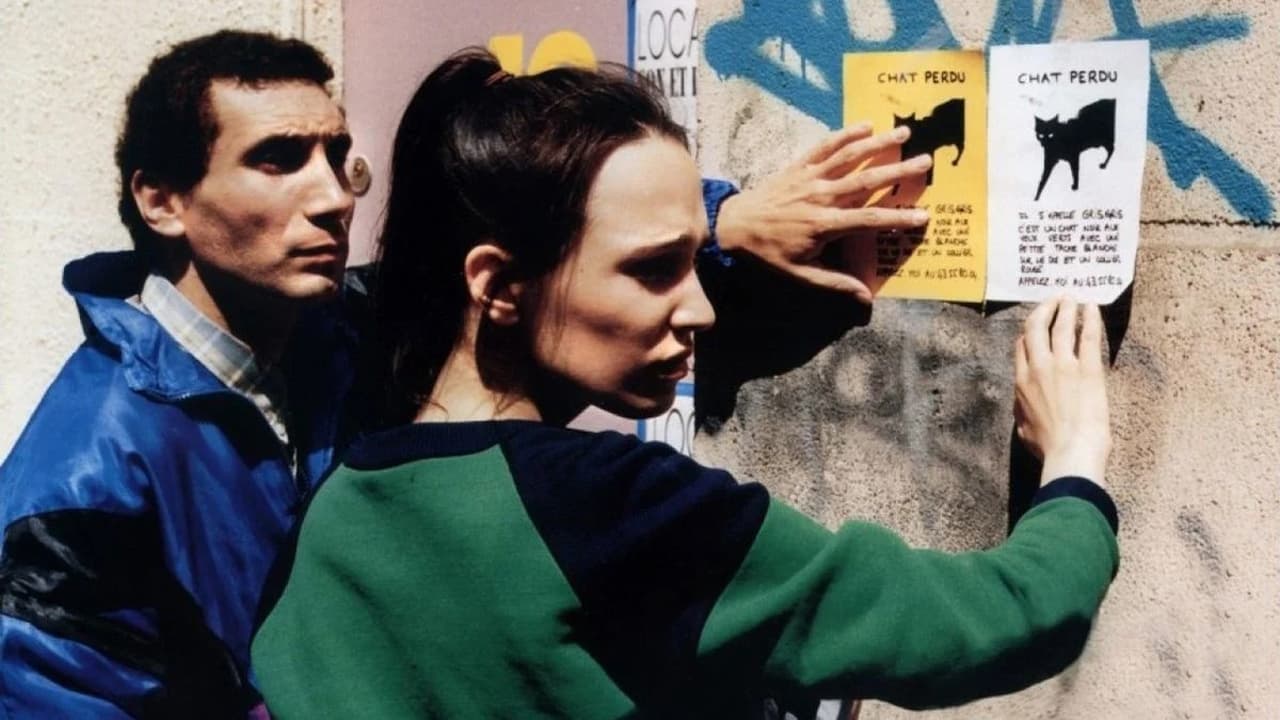



When Chloe, a young Parisian, decides to take a long-overdue vacation, she has to find someone to look after Gris-Gris, her beloved cat. Everyone, including her gay male roommate, refuses to help her, but she finally makes an arrangement with the elderly Madame Renée, who often watches over other peoples' cats and dogs. However, when Chloe comes back, Madame Renée tells her that unfortunately the cat has been lost, and the unlucky owner goes on a search for her dear animal friend. While looking for the cat, she meets many colorful characters who populate the neighborhood.

Cédric Klapisch
Director


Garance Clavel
Chloé

Zinedine Soualem
Djamel

Renée Le Calm
Madame Renée

Olivier Py
Michel

Simon Abkarian
Carlos

Marilyne Canto
la femme flic

Antoine Chappey
le mec bourré

Romain Duris
le joueur de batterie

Hélène de Fougerolles
un mannequin

Éric Savin
le militant onze de pique

Hiam Abbass
Une femme dans la cour
Hitchcock is no stranger to innuendo, as was common in that era, but there was something so sophisticated about his approach to 'Rope', and it starts in the first frame.
An uncomplicated, family-oriented man struggles to adjust to an ever-changing world, especially after suffering a loss. Even for the early 1900s, a less complicated time in many ways than now, Robert Grainier (Joel Edgerton) is a simple man.
A strong representation of African Americans in this film features evil spirits and horror-themed elements.
If the message here is that without a support system, grieving people turn into monsters, it’s not really well-delivered and may be flawed as a message itself.
The second film takes us on Peter's journey to be understood.
‘Exhibiting Forgiveness’ seeks to ask one question, “What do you do when your parents are the source of your pain?”