



Inside the 'Diary of a Wimpy Kid: Rodrick Rules'
The sequel to the 2010 live-action movie focuses on sibling rivalry.
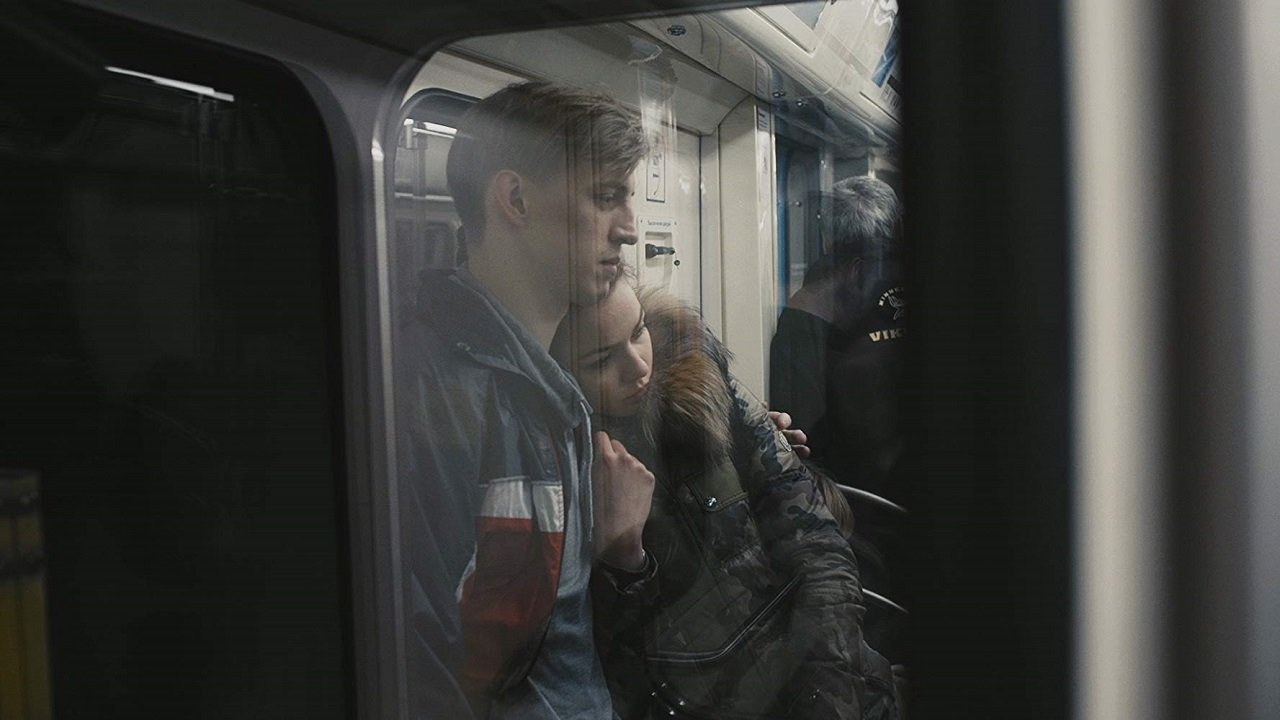
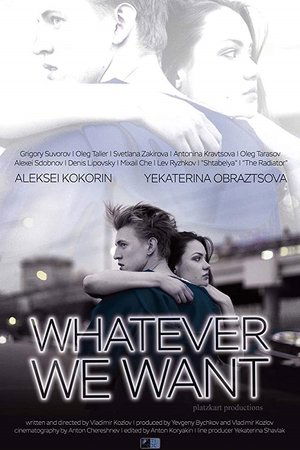


Katya and Pasha are a Moscow student couple in their early twenties. They don't care about politics or authorities. They aren't really rebellious, they just want to be left alone and have fun. One day they come to a punk concert at a small club, but two rogue policemen stop the show in the middle of it - there are no formal grounds to do that, but the policemen just enjoy their power. Katya tries to reason with one of the officers, but he reacts in a brutal way, and Pasha has to defend her. Katya and Pasha escape and they hope they're safe. But in Russia, you shouldn't mess with the police, and next morning, the young people learn that they are in trouble. Their only way out is to pay the policemen off, and they embark on a mission of getting the cash - borrowing, begging, doing whatever they can. And they only have several hours to come up with the cash.
The sequel to the 2010 live-action movie focuses on sibling rivalry.
Ever heard of the bad boy type? The type of man who's sexy yet broody, or the type of man who’s dangerous but has a sensitive side? It’s a well-known stereotype that women are attracted to villains. The question is: why are we?
The tale of two friends spans three films and gives wonderful representation for young girls everywhere.
There is no aspect of this film that falls short, except perhaps in minor ways.
While the director didn't set out to make a feminist film, "A Girl Walks Home Alone At Night" reads as a reclamation of female power in a patriarchal society.
Knives Out doesn’t just defy the whodunit narrative, it uses the weaknesses to its advantage. It’s well aware of the genre’s faults and tropes