
Dead Poets Society Steals a Queer Story
Dead Poets Society relies on patriarchal tropes such as overbearing fathers, contrived brotherhood, and faux-individuality in order to portray its straight white male characters as oppressed.
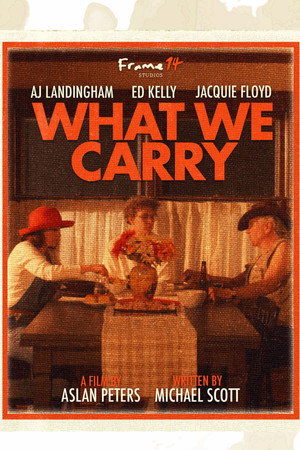


Amid the quiet tension of a country home, a boy searches for tenderness with a dad who refuses to help it grow. What We Carry is a haunting yet true portrait of love, loss, and the things we inherit when words can't be spoken.
Dead Poets Society relies on patriarchal tropes such as overbearing fathers, contrived brotherhood, and faux-individuality in order to portray its straight white male characters as oppressed.
As an Indian lesbian living in the United Kingdom, the cards are stacked against Geetika from the start.
Ever heard of the bad boy type? The type of man who's sexy yet broody, or the type of man who’s dangerous but has a sensitive side? It’s a well-known stereotype that women are attracted to villains. The question is: why are we?
It’s easy to dismiss Joel and Ethan Coen for writing from the world they build from outside the box of overarching Hollywood stereotypes, but their inability to compromise their collective vision is precisely what makes the simplistic nature of their world-building and characters so brilliant. It’s also what led Fargo to collect seven Oscar nominations and two wins for Best Original Screenplay and Best Actress for Frances McDormand’s brilliant portrayal of the sincere, motherly detective whose wholesome demeanor seizes the day over the selfishness, corruption and evil of the men who don’t comprehend that there’s more to life than a little money.
"Godzilla vs. Kong" is all style and very little substance. It's also the most fun I've had in months.
This spin-off series follows the adventures of Kitty Covey, Lara Jean's younger sister from the "To All the Boys" film franchise.