




Mortal Kombat: Scorpion’s Revenge Gives Fans a Gory Good Time
Ever since the mid-’90s, the Mortal Kombat game franchise has seen multiple attempts to make it on the big screen, or at least adapted into other media.
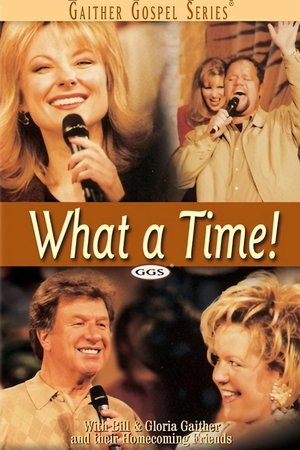


If the Homecoming Friends look like they're having fun on the :What A time!" video, they are! Packed into this 90-minute video we featured artists Jonathan Wilburn, gold City, Jake Hess, David Phelps, Eva Mae LeFevre, James Blackwood, Ivan Parker, Ann Downing, the Reggie Saddler Family, and the Pfiefers, just to name a few. The Crabb Family make their big debut with "Please Forgive Me" while the Lewis Family perform a tune - "this Flight That Is Leavin' Soon" - that's guaranteed tp make everyone a bluegrass lover. Another bright moment is "Scatter Sunshine" featuring the trio of Woody Wright, Jeanne Johnson and Stephen Hill. Also included us a real show-stopper, Anthony Burger's piano medley of "Great Is Thy Faithfulness," "How Big Is God" and "How Great Thou Art."
Ever since the mid-’90s, the Mortal Kombat game franchise has seen multiple attempts to make it on the big screen, or at least adapted into other media.
Much more than a meme, 'Barbenheimer' actually diversifies viewer bases and spreads the important message of both films wider than they otherwise would have!
When diverse representation is featured on-screen, it oftentimes comes with strings attached that undermine the message they were trying to send. This can be attributed to the fact that behind-the-screen, the industry primarily does not reflect the breadth of diverse difference that is present in daily life. That’s why when something as powerful and authentic as Minari comes along, it is both incredibly wonderful and needs a large audience to witness it.
The “gay best friend”, an age-old trope, has been done in countless films and television series. Ranging from one-note (Sex and the City's Stanford and Mario) to nuanced (Unbreakable Kimmy Schmidt's Tituss), the gay best friend exists to support and advise the main protagonist, with their conflicts swept to the side.
In 'Maestro,' we're left with an impression but not with an understanding of the main character.