


Ryan Coogler's Sinners Turns Horror into History
Set against the backdrop of the Jim Crow era, the film offers layered representation.
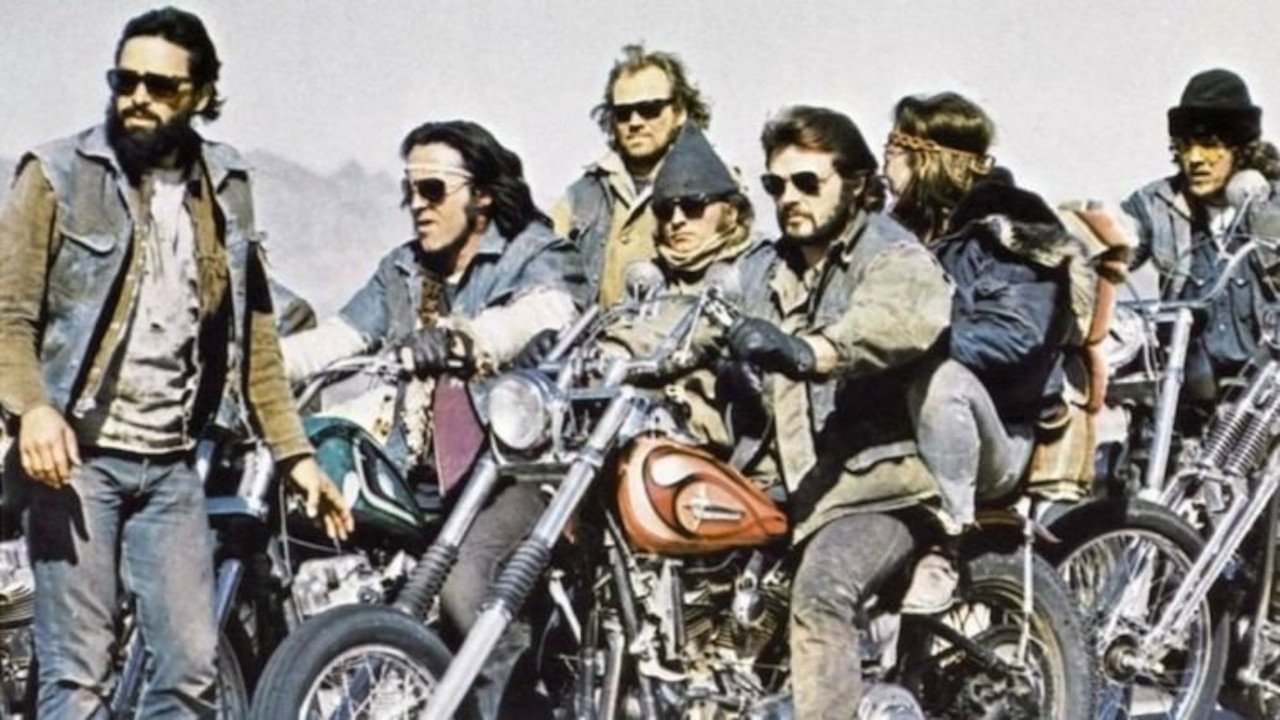



A biker gang visits a monastery where they encounter black-robed monks engaged in worshipping Satan. When the monks try to persuade one of the female bikers, Helen, to become a satanic sacrifice the bikers smash up the monastery and leave. The monks have the last laugh, though, as Helen, as a result of the satanic rituals, is now possessed and at night changes into a werewolf, with dire results for the biker gang.
Set against the backdrop of the Jim Crow era, the film offers layered representation.
The roaring emotional ride that was the season four finale sets June on a new path: more of a Survivor's Journey.
"The Mitchells vs. The Machines" captures the eternal struggle between kids who want to pursue the arts and their practical parents who think they'll fail.
Based on a true story, this sports movie is centered around a college football player.
The power to function. As people, we are richly blessed to have the wide ranging scope of what we can accomplish…physically and mentally…that aid in everything we desire to strive for and, ideally, accomplish. However, what if someone was experiencing daily life with these elements….only in a more muted manner?
A lot of us are emotionally impacted by the current pandemic. So, while we’re all stuck here in our homes, it’s great to put on a movie to ease the stress. With that, I made up a small list of some of my favorite feel-good movies.