The Grainy Landscape, Worn-Out Household, and Remembering the Past in 28 Years Later
How do zombie films shine new light in the post-Covid and post-Brexit era?
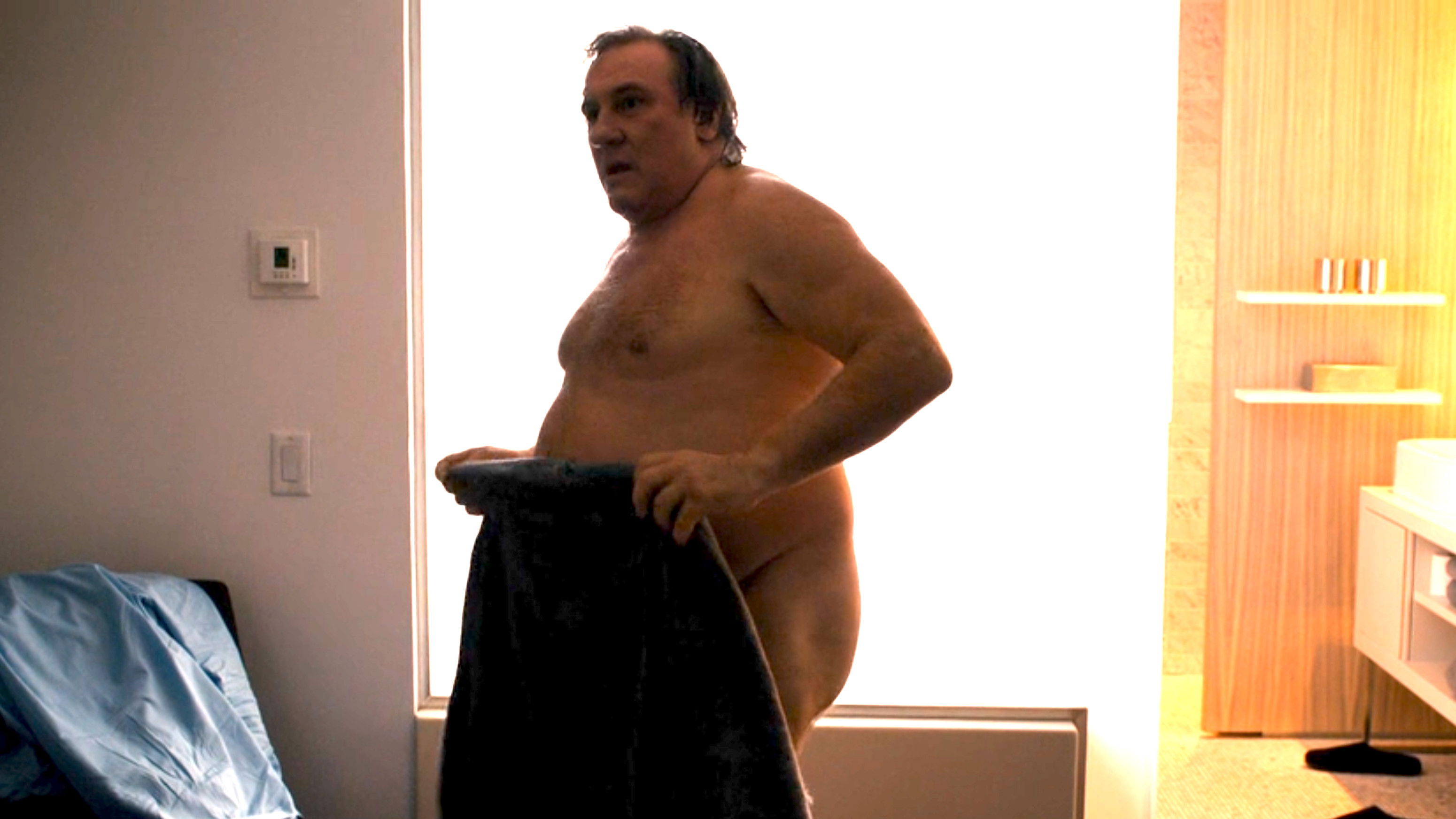



Mr. Devereaux is a powerful man. A man who handles billions of dollars every day. A man who controls the economic fate of nations. A man driven by a frenzied and unbridled sexual hunger. A man who dreamed of saving the world and who cannot save himself. A terrified man. A lost man.
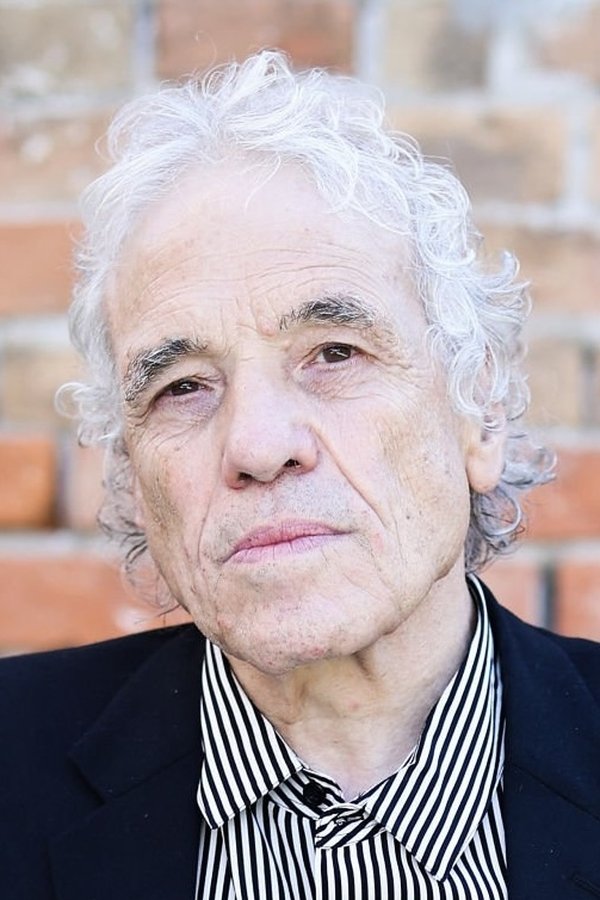
Abel Ferrara
Director

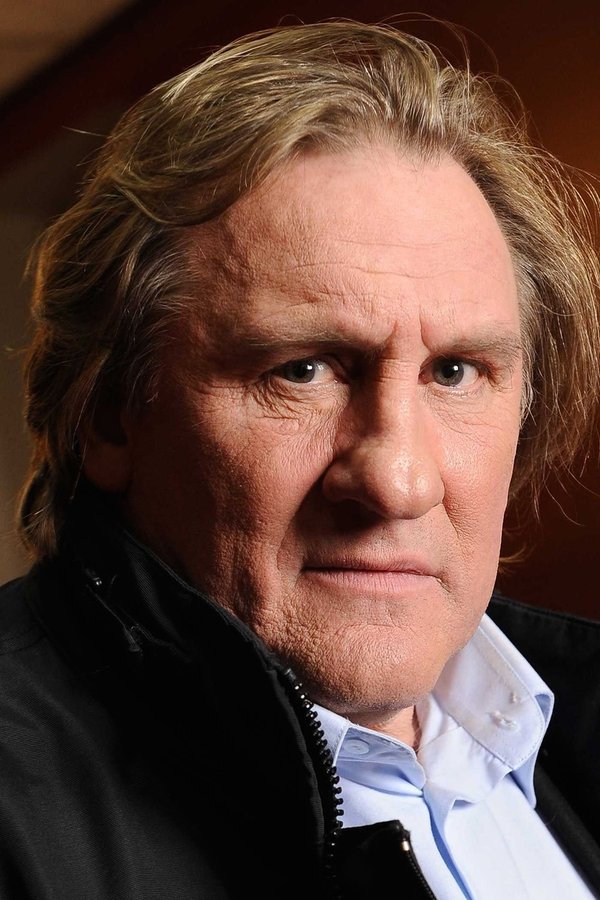
Gérard Depardieu
Devereaux
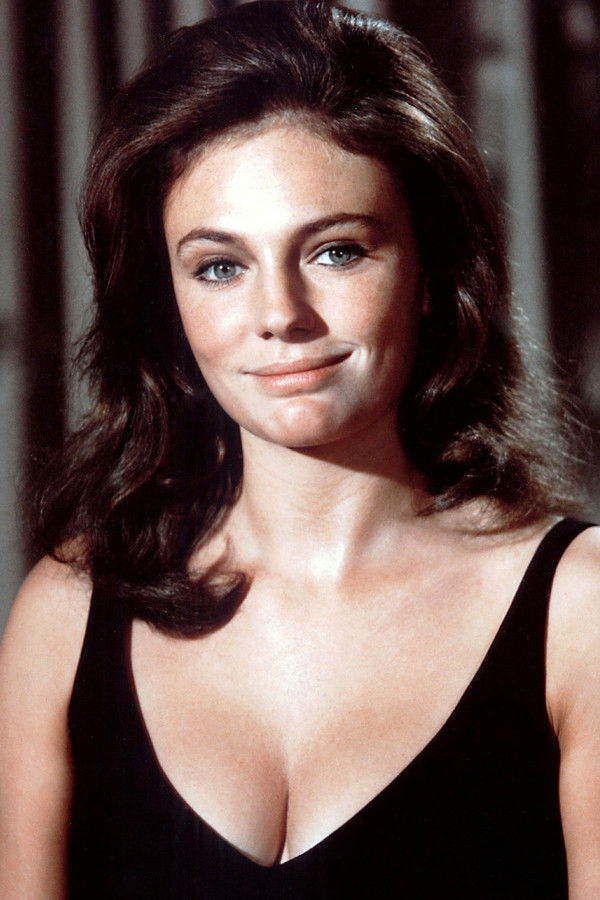
Jacqueline Bisset
Simone

Shanyn Leigh
Female Journalist

Marie Mouté
Sophie Devereaux
Charlotte Silvera
French Female Journalist
Ronald Guttman
Roullot

Elizabeth Kemp
Florence

Drena De Niro
Executive Assistant
Anna Lakomy
Anna
Samantha Opitz
Hotel Receptionist

Ilinca Kiss
Concierge
How do zombie films shine new light in the post-Covid and post-Brexit era?
"WHAT ARE YOU WILLING TO SACRIFICE?!!!!" "EVERYTHING!!!!!" This is but one of a multitude of highly emphatic questions, and subsequent answers, being asked in the newest feature film from one of the current masters of horror, Jordan Peele ("Get Out", "Us" and "Nope"). I must give Peele credit in that he continues to push the boundaries of specific genres and their associated tropes in order to provide what ends up amounting to subtly then jarringly intense, yet still character and story-driven, cinema that speaks more to indie stylings than mainstream.
"Thunder Road" presents the grief that comes from a family member taking their own life.
In Deaf, the Spanish director Eva Libertad explores pregnancy and motherhood from the perspective of a deaf woman. Her movie examines how the world imposes the notion of disability on her main character while she actually does not feel disabled herself.
The human experience is described through the eyes of a marginalized outsider, neither judgmental nor invested, just an observant donkey.
The thing is, people like Wahlberg will only apologize if they have something to lose, which he did. His glamorous life, his reputation, and his career were all at stake.