


Finding Your Inner Soul and Self in Rip Tide
Rip Tide is a coming-of-age film that teaches viewers about finding yourself and reconnecting with surroundings.
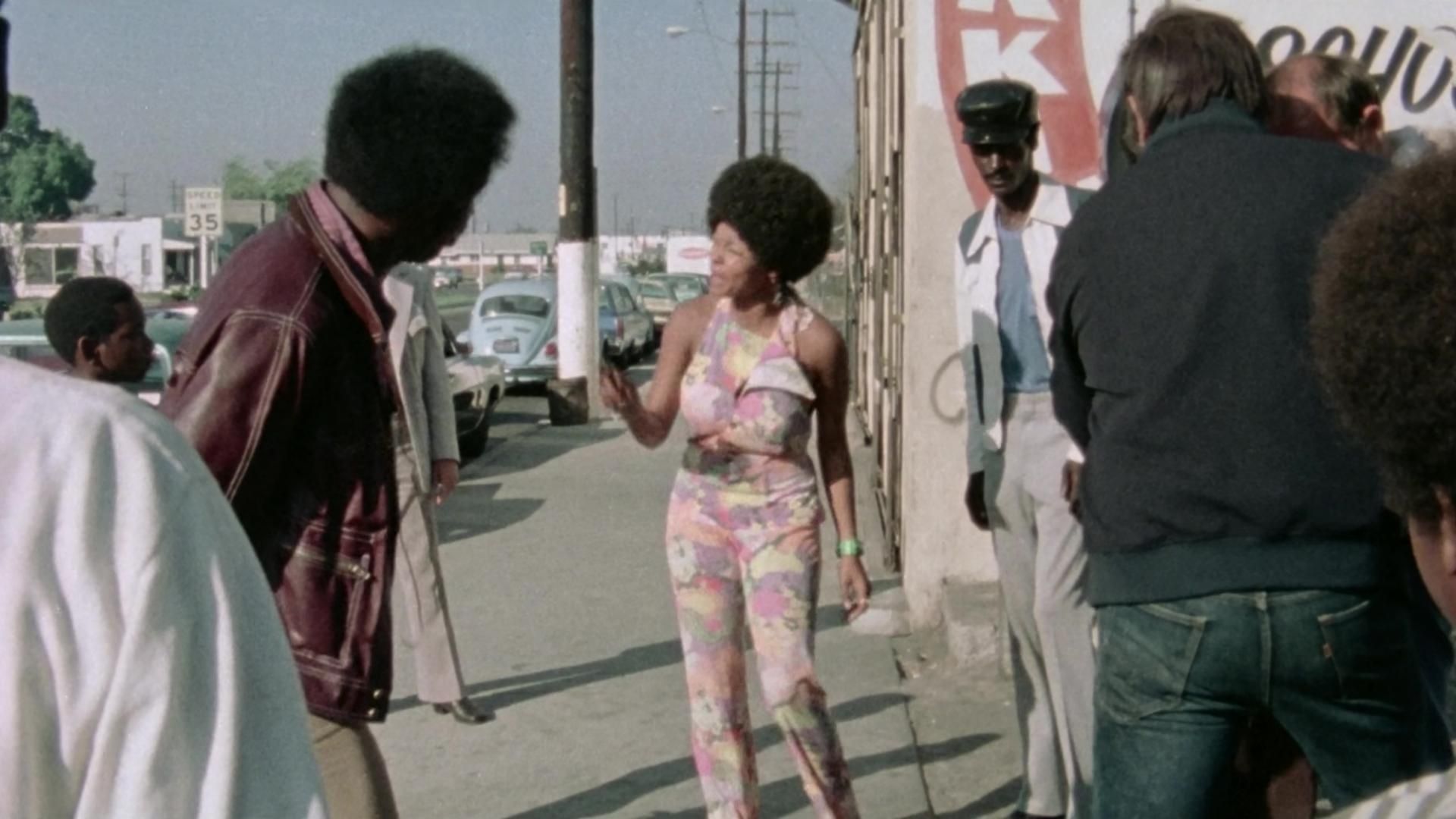



After wrongly doing time in prison for murder, a man seeks revenge on a racist law enforcement system and the detective who framed him.
Rip Tide is a coming-of-age film that teaches viewers about finding yourself and reconnecting with surroundings.
"Beef" is a new dark comedy with a near entire Asian-American cast
As a horror buff, I was intrigued by people claiming 'The Sadness' was the most disturbing movie they've ever seen or to watch with caution. So, I finally put the internet to the test and watched it for myself... to varying results.
Over the last several years, I have had the privilege of being one of the critics having the opportunity to watch and review several films from writer/director/producer Marcellus Cox, whose efforts are never anything less but grounded, relevant, and steeped in unflinching glimpses illustrating the gripping, inspired, and ever-vacillating realms that make up the human condition.
The documentary depicts the indigenous people of Mexico with sublime reverence, highlighting a generational harmony with the land.
This current year, as well as the past several, has seen a slowly building increase in something the horror genre has required for quite a while in this critic's opinion...originality. I've stated before that I am very hard to please when it comes to this vein of the film industry's offerings, always leaning more towards that which sends chills through my very being in lieu of buckets of blood and gore.