"A man has got to see his face." Horror Noire: A History of Black Horror
This documentary moves chronologically through Black representation in horror films, revealing the genre's connections to Black history.
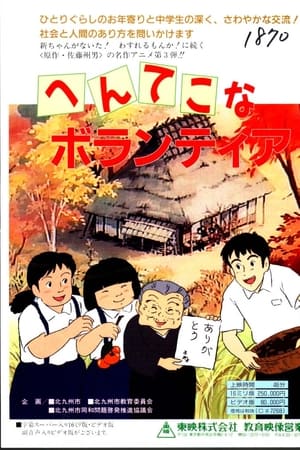


A film produced and paid for by Kitakyushu City's Board of Education and Council for the Promotion of Outcast Issue Awareness. The story follows two second-year junior high girls who discover an old lady collapsed outside her home in rural Japan. After assisting her back inside, the two hear the old lady's harrowing life story and discover that she is illiterate. Shocked by this, the girls vow to volunteer their time to teach the old woman to read and write each day.
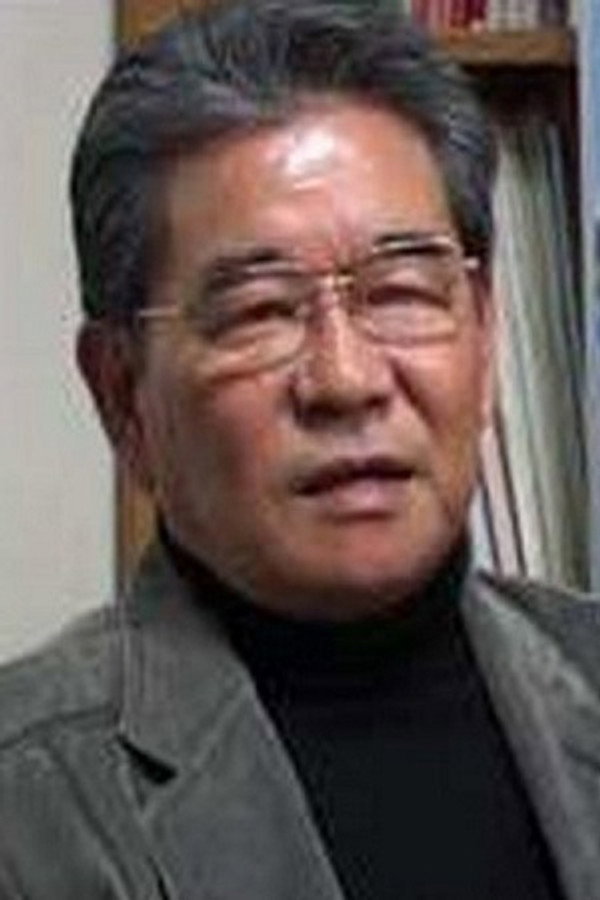
Kimio Yabuki
Director

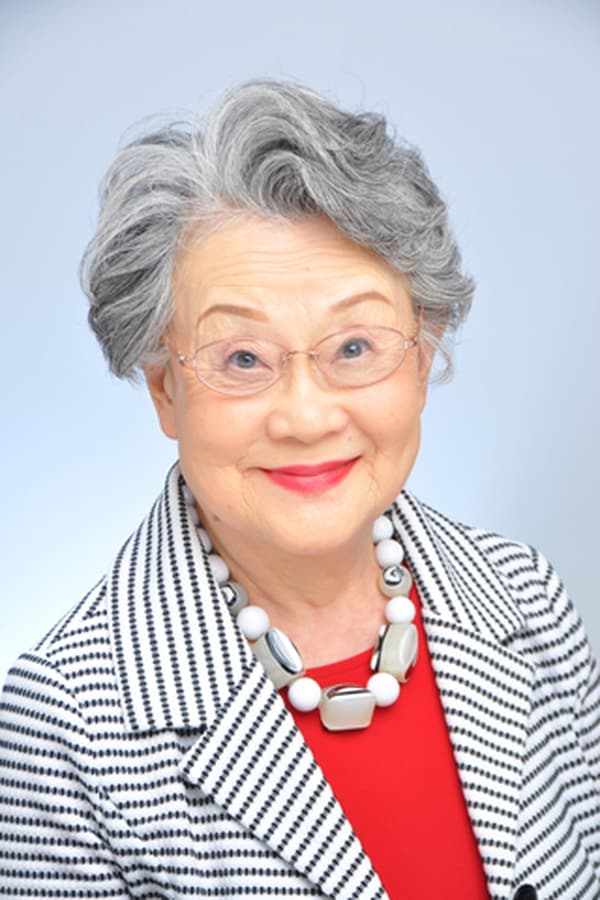
Hisako Kyoda
Yone Baachan (voice)

Hikaru Midorikawa
Makio Kato (voice)
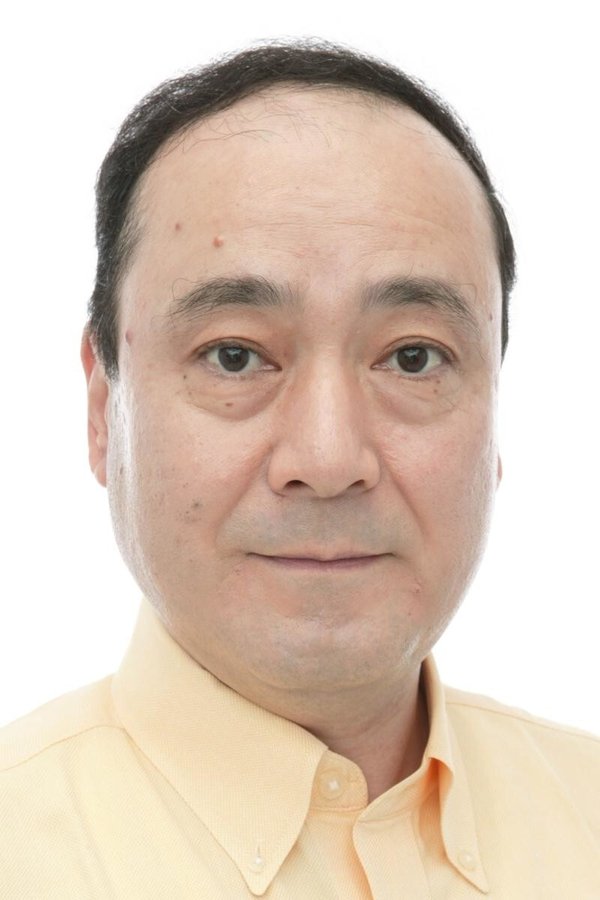
Hirohiko Kakegawa
Katsuta Sensei (voice)
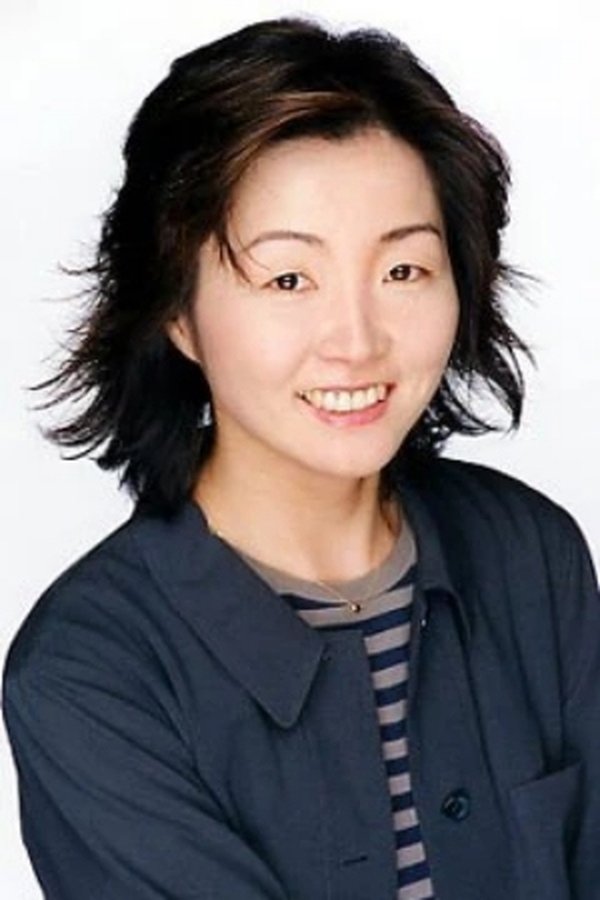
Megumi Urawa
Miyuki Kawaguchi (voice)

Shinichiro Ota
Ichiro Yamada (voice)
Yoko Teppozuka
Fumie Nakamura (voice)
Akiko Sekine
Yone's Mother (voice)
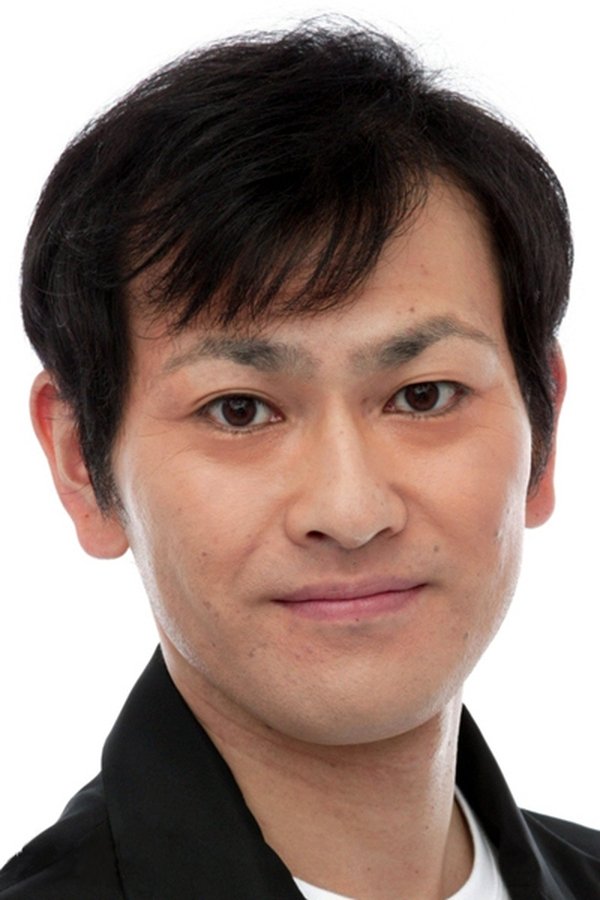
Atsushi Kisaichi
Follower B (voice)
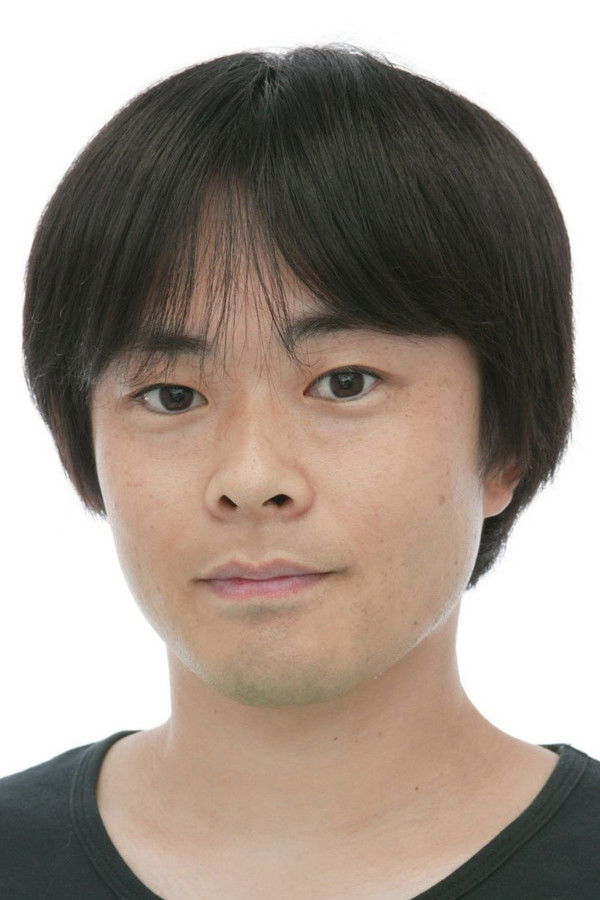
Daisuke Sakaguchi
Follower A (voice)

Ichiro Nagai
Yoichi Yamamoto (voice)
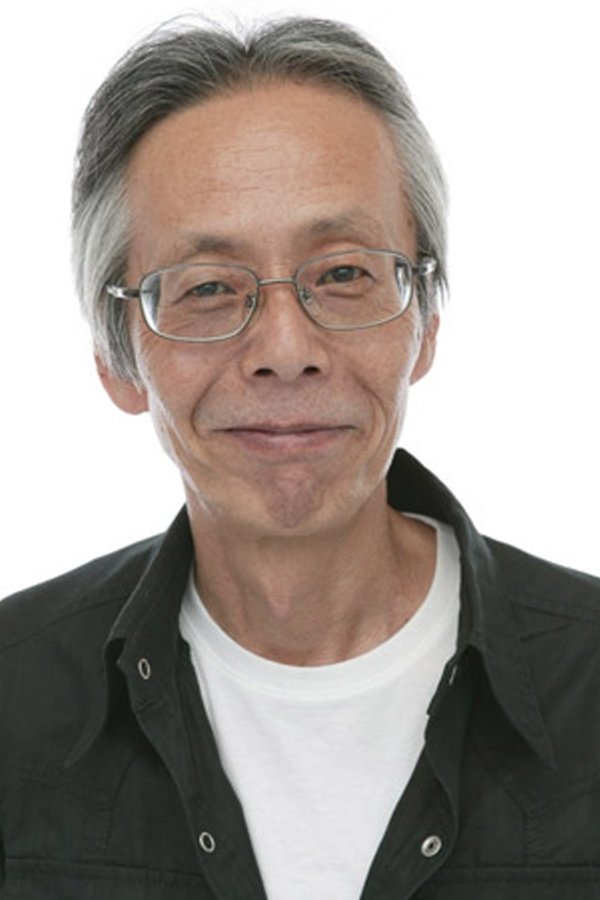
Masaharu Sato
Yone's Father (voice)
This documentary moves chronologically through Black representation in horror films, revealing the genre's connections to Black history.
Writing great villains is about striking a balance between charming and evil, so we love them but also love to see them lose.
The 100 imagines a future where humanity's overcome some of its most pervasive forms of prejudice—only to create new ones.
At 2:17 a.m., every child in a third-grade class wakes up, leaves their home, and disappears into the darkness—except one. The next day, teacher Justine Gandy discovers that Alex Lily is the only student left, while the rest have vanished without a trace. Did Justine have something to do with it, or is a far more sinister force stalking the town, targeting not just children, but anyone in its path?
Films and TV series often tend to misrepresent or not acknowledge bisexual characters, but recent trends show that bi-erasure is now under deserved scrutiny. So, I’m genuinely happy about the direction bi-representation seems to be taking.