
'You Are My Home' and Only Hope
A homeless girl faces depression and uncertainty during the holidays.
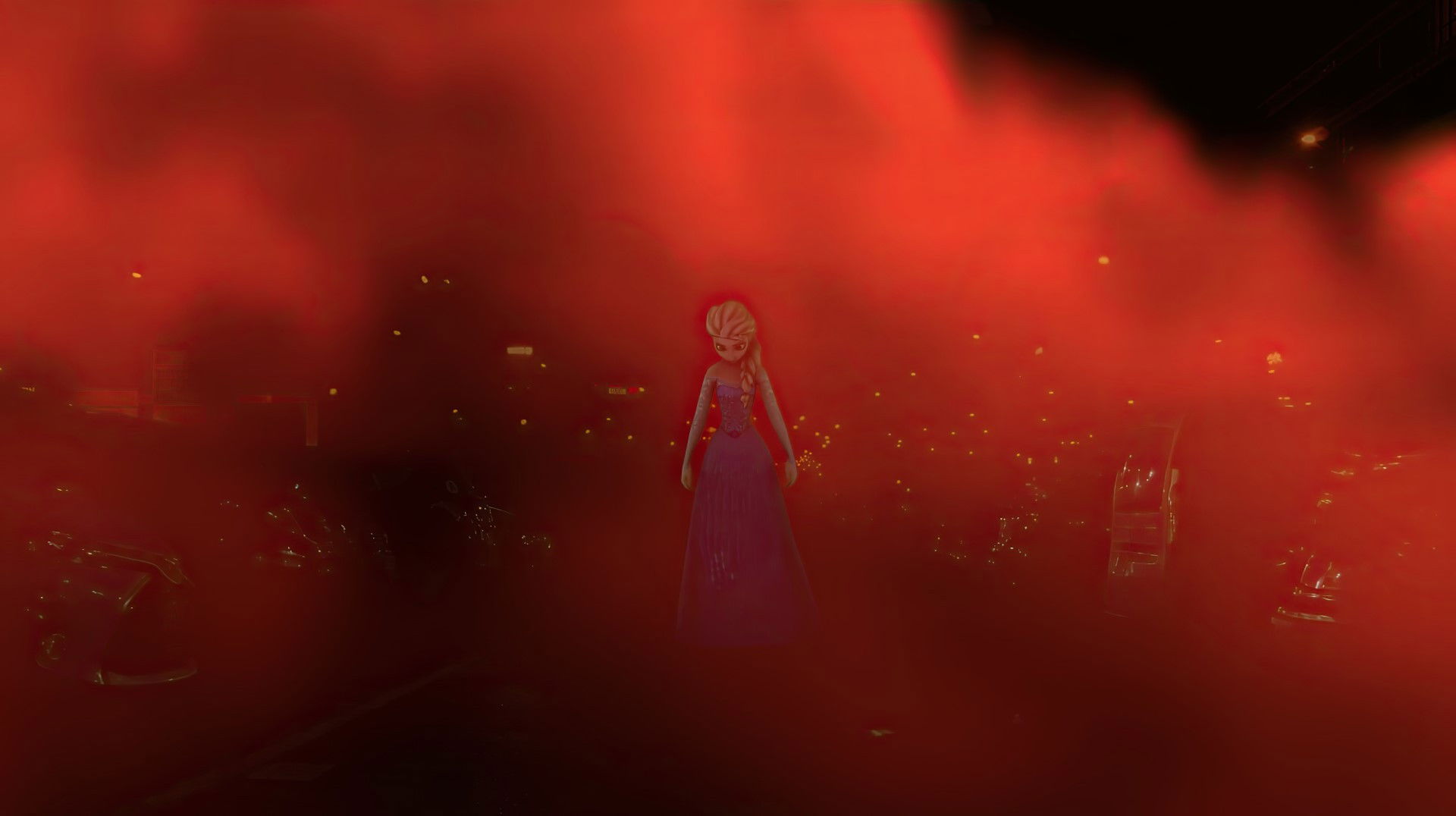



Weeping Willow 3: The Last Night concludes Merlin Dutertre’s Weeping Willow trilogy by returning once more to the unstable contact zone between ordinary lived space and globally circulating fictional imagery. Pikachu, Spider-Man, Mario, and other familiar figures inhabit a recognisable real-world environment under the sign of imminent catastrophe. Convinced that tonight is the end of the world, they move through the film less as heroic protagonists than as displaced witnesses, exhausted icons suddenly exposed to finitude. Built by embedding images found on YouTube into real settings, the film turns some of the most recognisable characters of mass culture into fragile presences. Dutertre does not use them for parody or nostalgic citation alone. Instead, he relocates them within a subdued visual field where the comic, the melancholic, and the apocalyptic coexist without collapsing into a single register.
A homeless girl faces depression and uncertainty during the holidays.
Diana’s spirit has taken off, ‘No right, no wrong, no rules for me.’ And in that moment, as she runs on the screen, she gets it, her ‘Let It Go’ moment.
The 1950s lesbian romance is stunning, emotional, restrained, and, simply put, one of the best movies I’ve ever seen depicting a woman-loving-woman (WLW) relationship.
The film is a documentary focusing on heavy metal in the late 80s and tackles topics like drug addiction, alcoholism, sex, masculinity, and of course, rock and roll. However, this didn’t feel like any documentary I’ve ever seen before.
Unfortunately, People We Meet on Vacation didn’t hold up quite as well as I’d hoped.
How closely should film adaptations follow their source material? Let's take a deep dive into "Norma Rae", and find out.