
Looking Behind the 'Z-O-M-B-I-E-S' Trilogy
Our trilogy at Seabrook High School starts with a rivalry between zombies and humans who eventually come together.
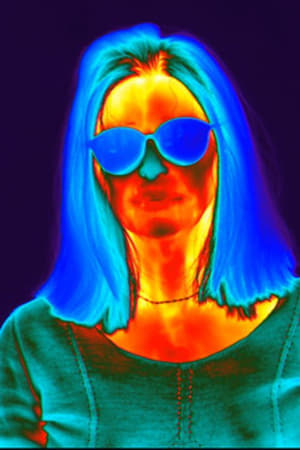


Patrick Staff’s newest work was inspired by artist-writer Catherine Lord’s memoir The Summer of Her Baldness (2004)—a moving and often irreverent account of the author’s experience of cancer. At the heart of Weed Killer is a monologue—adapted from Lord’s moving and often irreverent book—in which an actress reflects upon the chemically induced devastation of chemotherapy. This monologue is intertwined with comparatively otherworldly sequences, including choreographic gestures shot with high-definition thermal imaging. The film suggests a complex relationship to one’s own suffering and draws into focus the fine line between alternately poisonous and curative substances.
Our trilogy at Seabrook High School starts with a rivalry between zombies and humans who eventually come together.
This coming-of-age musical features a strong representation of LGBTQ+ individuals coming-of-age.
Moonlight is a film that will certainly be remembered for how it won Best Picture, but the movie itself should be known for its excellent representation of one of the most underrepresented groups in film: Black, gay men.
If you're missing the freedom of travel, explore the world via these international films that put their gorgeous settings in the spotlight.
Cursed is based on Frank Miller’s graphic novel, and is a retelling of the Arthurian legend with a twist. Instead of King Arthur gaining Excalibur, a teenage sorceress named Nimue (Katherine Langford) does. Her people — the Fey — are being hunted down, and so Nimue will do whatever it takes to save them.
This article will cover why this film is categorized as a documentary and concert film.