
13 Going On 30 Shows Teens the Reality of Adulthood
"13 Going on 30" tracks the tricky transition from adolescence to adulthood.
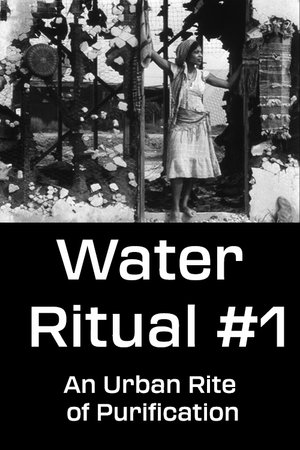


Made in collaboration with performer Yolanda Vidato, Water Ritual #1 examines Black women’s ongoing struggle for spiritual and psychological space through improvisational, symbolic acts. Shot in 16mm black-and-white, the film was made in an area of Watts that had been cleared to make way for the I-105 freeway, but ultimately abandoned. Though the film is set in contemporary L.A., at first sight, Milanda and her environs (burnt-out houses overgrown with weeds) might seem to be located in Africa or the Caribbean, or at some time in the past. Structured as an Africanist ritual for Barbara McCullough’s “participant-viewers,” the film addresses how conditions of poverty, exploitation and anger render the Los Angeles landscape not as the fabled promised land for Black migrants, but as both cause and emblem of Black desolation. (Jacqueline Stewart)
"13 Going on 30" tracks the tricky transition from adolescence to adulthood.
A Japanese anime movie that brings survival, adventure, and friendship to the big screen.
Where we leave the characters is in such a peaceful and optimistic place. It feels well-earned to ensure everyone gets their own specially-crafted happy ending.
Facing the world with our fair share of uncertainties and/or apprehensions, many of which, sadly, may be well-founded, is nothing to sneeze at. Influenced and buffeted by the constant barrage of social media, fake news, and general upheaval present in our contemporary reality, what IS real and what's not becomes a blur.
Wes Anderson offers a light-hearted comedy in the Middle East centering around Catholic motifs.
The [SPOILER-Free] story of Jurassic World: Dominion is that the humans never learned from their mistakes from the previous films, science is still running amok, and the world is paying the price.